Bitcoin is still in a correction phase after a sharp fall, and the price is now trying to stabilize around $66,000. The bigger picture is simple, as momentum is low on the daily time frame, but the short-term structure is tightening. So the next breakout from the consolidation will likely determine if this is the bottom or just a stop before the next leg.
Bitcoin Price Analysis: Daily Chart
On the daily chart, BTC remains below the 100-day and 200-day moving averages, indicating an overall bearish trend. The price is also trading within a wider downward channel, and the breakout from the previous support zone around $75,000-$80,000 has turned that area into a major supply zone. As long as Bitcoin remains below the $70,000 average, rallies can be sold, especially if they fail near the moving average.
The area of demand to watch is around $60,000, where buyers previously entered and where the market will likely defend again if volatility returns. If this floor is broken cleanly, the next major support zone will be around $50,000 to $53,000. Meanwhile, the RSI has recovered from oversold readings, but it’s still not showing the kind of strength you’d normally see at the start of a new uptrend, so confirmation is more important than hope here.
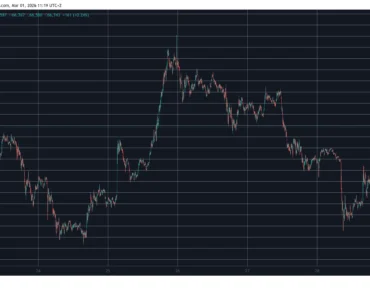
BTC/USDT 4-hour chart
On the 4-hour chart, Bitcoin is compressed into a symmetrical triangle after the breakout, with the highs limiting the price while the lows are higher. This type of structure often precedes a decisive move as liquidity builds on both sides. The upper trigger is near $68,000, and a clean break and hold could open a push to $73,000, where a larger resistance zone will begin.
If the triangle breaks to the downside, the first test is usually the lower range around $62,000, followed by the deeper daily demand zone around $60,000. The main detail is that the current consolidation occurs after a strong movement, therefore, its negative breaks can quickly accelerate if the requests go away. Therefore, buyers need a breakout that doesn’t just hold the wick, as fake breakouts are common during broader downtrends.
Sentiment analysis
The open interest chart shows a sharp decline in the current period, which is down about $20.4 billion, while the price has also fallen sharply. This combination usually refers to a forced cancellation, which means liquidation and closing of the position, rather than a quiet and organic return. In practice, it often indicates a point where the market is removing excess leverage, which can reduce immediate downside pressure.
The next key is what happens if open interest increases again. If open interest recovers while the price is above $62,500 and above $68,000, this suggests that traders are re-entering with confidence, which could support a further rally. However, if the open interest increases when the asset remains heavy and fails below $68,000, it could trigger another wave of liquidation, as fresh leverage tends to fuel the next compression of the downtrend still underway.
Binance Free $600 (CryptoPotato Exclusive): Use this link to register a new account and get a $600 welcome offer on Binance (full details).
LIMITED OFFER for CryptoPotato readers at Bybit: Use this link to register and open a FREE $500 position on any coin!
Disclaimer: The information found on CryptoPotato is the information of the writers. It does not represent CryptoPotato’s views on buying, selling or holding any investment. You are advised to do your own research before making any investment decisions. Use the information provided at your own risk. See Disclaimer for more information.