US intelligence reports consider direct attacks by Iran to be the biggest threat to oil tankers passing through the Strait of Hormuz, the key transit passage for the global oil trade that has been effectively closed by the Islamic Revolutionary Guard Corps since the start of the US-Israel war against Iran.
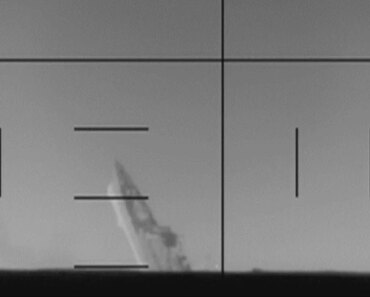
The Trump administration, spooked by Iran’s possible preparations to mine the strait, carried out strikes against 16 mining vessels near the strait on Tuesday. US Central Command released video showing munitions hitting nine vessels, most of which were moored when they were attacked.
But the most potent threat remains the risk of a large-scale direct attack by Iran: for example, a swarm of one-way attack drones or a series of shore-to-ship ballistic missiles, according to two people familiar with the intelligence who spoke on condition of anonymity to discuss sensitive details.
The problem arises because a single missile or drone that penetrates the defenses could decimate or sink an oil tanker, giving Iran leverage even as the United States launched what a senior administration official described as its largest attack on Iran in the conflict to date.
As a result, even if US Navy destroyers escorted the tankers, they may not be able to intercept all incoming missiles, and even if the Trump administration provided hazard insurance directly to the operators, ship crews would still need to be convinced to pilot the vessels through the strait.
In some ways, the mines were easier to deal with because the United States was prepared before the war for the possibility that Iran would try to mine the strategically important waterway through which a fifth of the world’s oil trade passes, the people said.
Issues related to protecting oil tankers in the strait were discussed by US military officials in a classified briefing to top lawmakers on Tuesday, according to a person familiar with the matter.
Democrats emerged from the briefing deeply critical of the administration. “I can’t go into more detail about how Iran is blocking the Strait, but suffice it to say that at this point they don’t know how to safely reopen it,” Senator Chris Murphy wrote in a social media post after its conclusion.
A White House spokesperson referred questions about the risks in the Strait to Donald Trump’s Truth Social post on Tuesday, where he threatened military retaliation if Iran attempted to lay mines. Shortly afterward came the US Central Command’s attacks on Iran’s mine ships.
The Strait of Hormuz is a key passage connecting the Persian Gulf to the northern Arabian Sea. Iran’s coast runs along one side of the strait, and military and civilian vessels transiting it are at risk of attack from land as they enter or leave the gulf.
Since the start of the conflict on February 28, the Islamic Revolutionary Guard Corps has effectively closed the strait, stranding oil tankers. The cut in supply has contributed to a sharp rise in oil prices, which in turn has translated into higher gas prices for American consumers.
Energy Secretary Chris Wright said in an interview with CNN’s State of the Union on Sunday that the United States had successfully destroyed many of the weapons Iran could use to attack ships and expected regular traffic through the strait to resume in “a few weeks,” without providing details.
Still, fearing an attack from Iran, virtually all ship operators have prevented their tankers from passing through the strait. On Wednesday, at least three ships were hit in and around the strait, including a Japanese container ship and two bulk carriers carrying loose cargo such as grain.
Only one of the bulk carriers, Thailand’s Mayuree Naree, appeared to be in the strait when it was attacked. The other ships were in the Persian Gulf, according to maritime tracking data. Iran claimed responsibility for the attack on Mayuree Naree.