Seven members of the Iranian football delegation applied for asylum and four are now known to have withdrawn their applications.

Posted on March 14, 2026
Two other Iranian footballers and a member of their support staff have reportedly withdrawn their asylum claims in Australia, which were granted over fears they could be punished upon their return home after the team refused to sing Iran’s national anthem at the Asian Cup tournament.
Iranian state broadcaster IRIB reported on Saturday that the three had “given up their asylum application in Australia and are currently heading to Malaysia,” publishing a photograph of the women allegedly boarding a plane.
Recommended stories
list of 3 itemsend of list
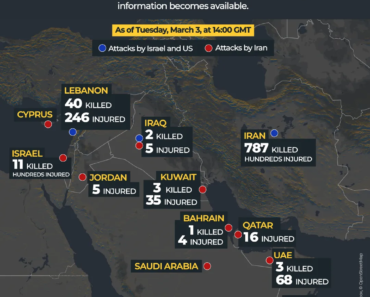
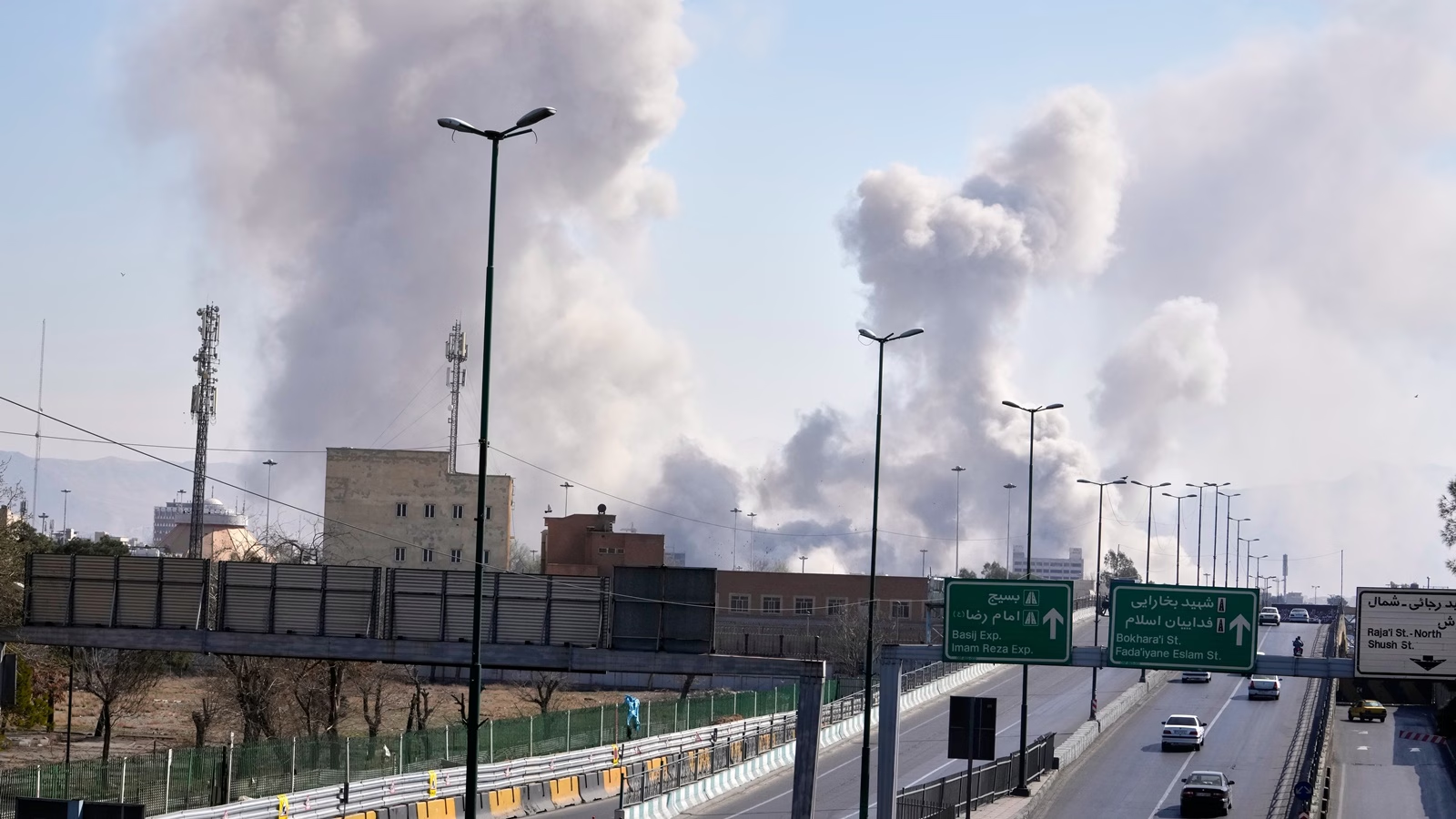
The Iranian team’s participation in the football tournament, held at Gold Coast Stadium in Queensland, began when the United States and Israel launched their war against Iran on February 28, killing Supreme Leader Ayatollah Ali Khamenei and other leaders, and more than 170 people, mostly schoolchildren, at a primary school.
After refusing to sing the Iranian national anthem in their first match, the team was branded “traitors” by an IRIB presenter, who said in comments that went viral that their actions amounted to the “pinnacle of dishonour” and that they should be “treated more severely”.
The comments prompted FIFPRO, the global organization representing professional footballers, to urge FIFA and the AFC to “take all necessary measures” for the protection of Iranian players, as fears grew for their safety after Australian media reported they were being monitored by Iranian government officials.
Five of the players, including captain Zahra Ghanbari, sneaked out of the team hotel under cover of darkness to seek asylum in Australia. A sixth player and a support staff member applied for asylum before the rest of the team left Sydney earlier this week.
But one of the players withdrew her application earlier in the week and joined the rest of the team, who were believed to still be in Kuala Lumpur, the Malaysian capital, awaiting their return to Iran.
Australian Home Affairs Minister Tony Burke told lawmakers that the player, later identified as Mohadese Zolfigol, changed her decision on the advice of her teammates and was “encouraged to contact the Iranian embassy.”
Iran’s football governing body accused Australia of kidnapping the players and forcing them to leave their home country against their will.