Since the war began, the US and Israeli militaries have attacked multiple locations across the country, but it is in Tehran, a bustling, densely populated metropolis of about 10 million people, where the attacks have been felt most. As of Thursday, more than 1,200 people had been killed by Israeli and American attacks, according to the Iranian Red Crescent.
In addition to substantial damage to historic cultural sites in Tehran, such as the ornate Golestan Palace, attacks on oil facilities have added a surreal element to life in the capital, residents say, with thick smoke in the air and black rain that has left a slimy residue on cars. Many people are staying off the streets, where getting stuck in two- or three-hour traffic jams across the city was the norm.
Hoda lives with her brother Hadi, 45, and her elderly parents in a house in central Tehran. In recent days, toxic fires caused by bombing have left a strange smell and a greasy film on the windows, he said.
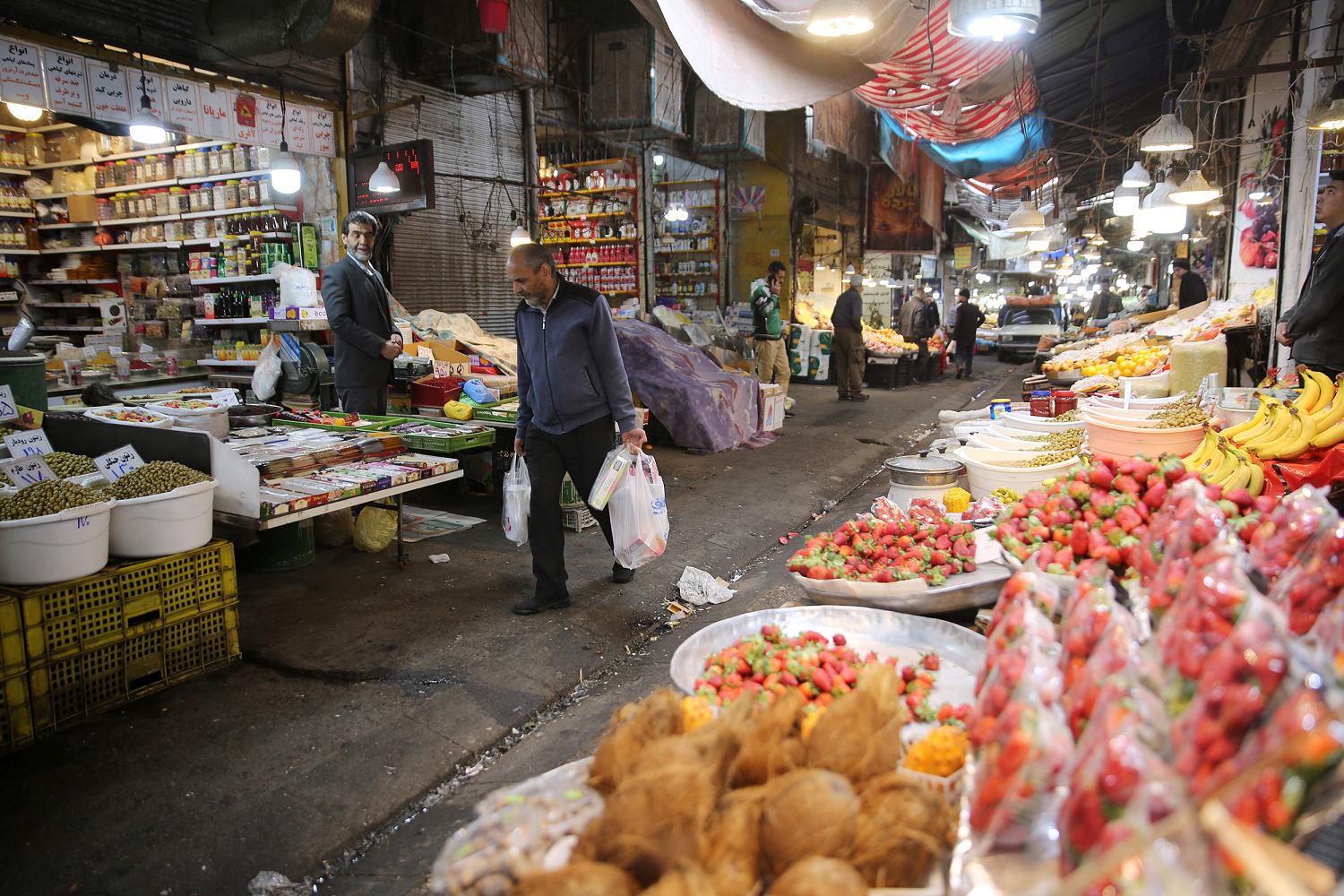
Now he worries about the long-term economic impact of the war. His business, importing carpet weaving machines, was hit hard last year, he said, and even finding money for daily expenses has become an arduous task. Banks have limited hours and ATMs have a daily withdrawal limit of 500,000 Tomans, or about $3. Many people now simply use debit cards whenever they can. Prices of basic goods have risen about 10% since the war began, residents say.
In the case of Hadi, who also asked that his last name not be revealed for security reasons, his tourism company closed after last summer’s war, protests and persistent internet outages last year. His 13-year-old daughter and his ex-wife have moved to the Caspian Sea coast of northern Iran, where many Tehran residents have fled in recent weeks, either to family homes or short-term rental properties. Hadi said she paid for her daughter to attend a private school, but now questions her choice since she has not been able to attend for more than 100 days this school year.
Hoda and her brother spend much of their day watching satellite news channels or checking news on the Internet through a VPN for which they pay 3.8 million Tomans, or about $23, a month.
Hoda said she has seen members of the Iranian diaspora on television talking about the possibility of former Crown Prince Reza Pahlavi leading the country, but says they are out of touch with the realities on the ground.
“You have no idea what it feels like when a plane is over your house and you think you’re dead every day,” he said.
Not far away, Kianoosh, 46, said he was terrified and struggling to process the momentous change that could be coming to Iran after years of living under a strict theocracy. Several sports complexes and other areas near it in central Tehran were hit.
“We heard explosions non-stop,” he said. “How long can this last?”
Kianoosh, a documentary filmmaker, moved in with his parents after the war started to keep them safe. While there have been some power outages, there is still no sign of the massive blackouts and water shortages that plagued Tehran last year, he said. For him, daily life is a strange rhythm of boredom (he recently watched the movie “Interstellar” to pass the time, he said) punctuated by explosions.
But Kianoosh often finds himself thinking about the millions of Iranians, an entire generation, who have been denied the opportunity to live a normal life. As much as he worries about the bombs, he said he also worries that both sides will declare victory and walk away, leaving the country in an uncertain limbo.