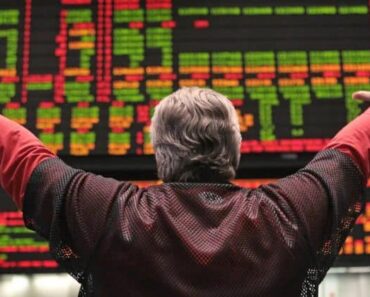
South Korea’s KOSPI tumbled 12% on Wednesday, its biggest one-day drop, wiping out about $625 billion in market value as geopolitical tensions and margin calls fueled a broad market sell-off.
The benchmark index, which tracks major companies listed on the Korea Stock Exchange, closed close at 5,093.54 points after trading was halted for 20 minutes as stocks fell as much as 8%.
Big tech companies led the losses. Samsung Electronics fell 11.7%, while SK Hynix’s memory chip fell 9.6% during the session.
The sharp drop snapped a two-day slide and pushed the KOSPI briefly into bear market territory after the index had rallied more than 20% from its high two days earlier.
It intensified after retail investors rushed to shed leveraged positions accumulated during the market’s recent rally.
The remaining margin debt reached 32.67 trillion won, about $22.4 billion, by the end of January 2026, up 25% from last year. As prices fell, brokers began issuing margin calls, forcing investors to liquidate positions and accelerate the downside.
The immediate catalyst for the rise in geopolitical tensions following US and Israeli military strikes on Iranian targets was the sharp rise in crude oil prices.
South Korea, which relies more on imported energy, is sensitive to the increase in oil and gas prices in the world. Higher energy costs threaten to squeeze corporate margins and reduce consumer spending across the economy.
Foreign investors had started to reduce exposure before the market collapse. International funds sold a record 21.14 trillion won of Korean stocks in February 2026, the largest monthly turnover on record.
Selling to domestic retail investors continued to hold most of the remaining exposure, even as the market’s decline accelerated.