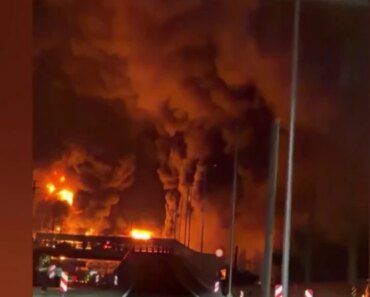
As the war against Iran enters its third week, the military advantage that the United States and Israel have is being asymmetrically offset by Iran, which has been targeting several economic pressure points outside its borders.
With censorship and propaganda shaping coverage everywhere, news audiences have to navigate a confusing and often misleading maze of information.
Collaborators:
Vali Nasr – Professor, Johns Hopkins University
Michael Omer-Man – Research Director for Israel-Palestine, DAWN
Matt Duss – Executive Vice President, Center for International Policy (CIP)
Eskandar Sadeghi-Boroujerdi – Professor, University of St Andrews
on our radar
Israeli media outlets published almost simultaneous reports, citing unnamed officials, claiming that the Gulf States had attacked Iran. Qatar and the United Arab Emirates quickly denied the allegations and forced a correction. Critics say the goal of the coverage was to suggest Gulf support for Israel and draw those states into the conflict. Tariq Nafi discusses how the episode has fueled anger across the Arab world toward Washington and Tel Aviv.
Battlefield AI: An Interview with Matt Mahmoudi
Since the first attacks on Iran, the White House and Pentagon have been eager to test new military technologies. As seen previously in Gaza, AI systems appear to be playing a central role in identifying targets and guiding attacks. This raises serious ethical and accountability questions about how life and death decisions are made on the battlefield.
Matt Mahmoudi, Amnesty Technology researcher and assistant professor at the University of Cambridge, joins us to talk about AI-assisted warfare.
Presenting:
Matt Mahmoudi – Assistant Professor, University of Cambridge
Posted on March 14, 2026