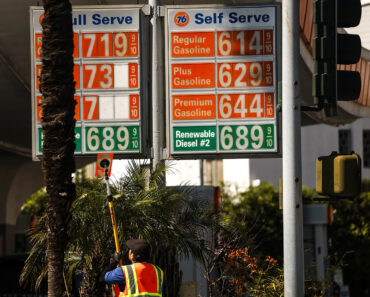
Wholesale prices rose sharply in February, another sign that inflation is on the rise apart from rising fuel costs.
The Bureau of Labor Statistics reported Wednesday that the producer price index, a measure of the pipeline costs producers receive for their products, rose a seasonally adjusted 0.7% in the month. Excluding volatile food and energy costs, the so-called core PPI rose 0.5%.
Economists polled by Dow Jones were looking for a 0.3% increase for both measures.
For the all-items index, prices rose faster than the 0.5% pace in January. However, the core increase was lower than the previous month’s 0.8%.
According to the BLS, on a 12-month basis, headline PPI inflation was 3.4%, the highest since February 2025, while core was 3.9%. The Federal Reserve targets inflation at 2%.
Stock market futures slipped after the report, while Treasury yields rose. Futures traders pushed the next Fed interest rate cut until at least December.
The surge in PPI largely led to a 0.5% increase in the cost of services, something the Fed would not welcome. Policymakers have blamed tariffs for the recent run-up in inflation, which does not show much on the services end. Portfolio management fees, a key driver of services costs within the PPI measure, rose 1% in February. Similarly, prices of securities brokerage, dealing, investment advisory and related services accelerated by 4.2%.
Commodity prices rose 1.1% for the month.
Food prices rose by 2.4%, while energy rose by 2.3%. In food, the index of fresh and dry vegetables rose by 48.9%.
The report suggests that pipeline inflation pressures will remain persistent, particularly on the services side, complicating the Fed’s path as it weighs how long to raise interest rates.
The report comes with worries of accelerating inflation amid fighting in the Middle East. The US and Israel continue to strike targets in Iran, causing energy prices to rise. Oil is trading around $100 a barrel, up more than 70% year to date as the conflict continues.
Inflation data so far have not captured any war-related price increases. But it indicated that inflation was a problem even before the attack. Last week’s report indicated that consumer prices rose at a 2.4% rate in February. Separately, the Commerce Department uses its core inflation gauge as the Fed’s forecasting tool, which stands at 3.1% for core and 2.8% for headline.
Later on Wednesday, the Fed will release its latest interest rate decision. Market participants consider it almost certain that central bankers will vote to anchor their benchmark overnight interest rate between 3.5%-3.75%, which is after the last cut in December 2025.
(tags to translate) Breaking News: Economy