(by Oil & Gas 360) – (part one)
Oil markets are once again facing a question they haven’t seriously grappled with in years: What happens when a major global supply artery is suddenly threatened.

Oil prices rose to $100 after the new Iranian leadership blocked the Strait of Hormuz amid rising tensions in the Middle East.
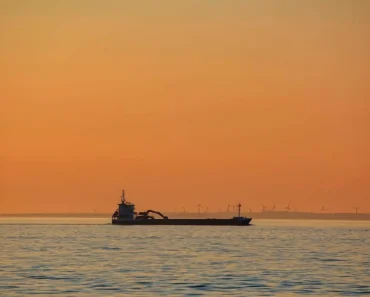
The narrow waterway that connects the Persian Gulf to international markets carries about one-fifth of the world’s oil and a significant portion of liquefied natural gas exports. Even the prospect of prolonged disruption has sent traders to reassess risk.
The cracks are huge. The International Energy Agency has warned that the current conflict could create the biggest oil supply disruption the modern market has experienced if exports from many Gulf producers are halted or reduced.
Yet markets are responding with a mix of alarm and restraint.
While crude oil prices have risen sharply, some officials argue that a worst-case scenario is unlikely. US energy officials have pushed back against forecasts that oil prices will rise to $200 a barrel, suggesting that global spare capacity, strategic reserves and changing trade flows could help cushion the shock.
This tension between fear and reality is now shaping the market.
Oil traders are trying to answer two different questions at once: how much supply can actually be lost, and how long the disruption will last. Temporary interruptions cause price increases that disappear as supply adjusts. However, persistent disruptions can alter markets for years.
The Strait of Hormuz lies at the center of this uncertainty. Because so much of the world’s energy flows through a single corridor, the system depends heavily on stability in a region that has long been geopolitically fragile.
But history shows that markets rarely remain stagnant for long.
Manufacturers are looking for alternatives. Strategic reserves are released. Changing shipping patterns. And over time, prices begin to reflect actual supply losses rather than the initial shock.
The real question is not whether the market will react, it already has.
The question is whether this moment represents another temporary geopolitical spike, or the start of a structural energy shock that could rip through the global economy.
About Oil and Gas 360
Oil & Gas 360 is an energy-focused news and market intelligence platform that provides analysis, industry developments, and capital market coverage of the global oil and gas sector. The publication provides timely insights for executives, investors, and energy professionals.
Oil Markets