As the conflict between the United States, Israel and Iran spreads to Lebanon’s southern border, Lebanon’s culture ministry has called on UNESCO to provide additional protection for the country’s cultural heritage.
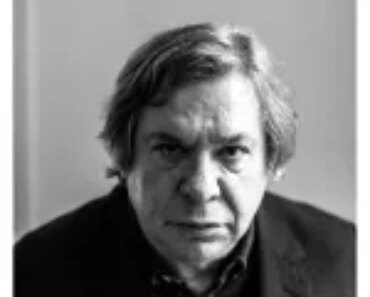
Culture Minister Ghassan Salameh spoke by phone with UNESCO Director-General Khalid Enani to urge the U.N. agency to intervene on behalf of Lebanon, according to a ministry statement on Wednesday.
The minister reportedly told El-Enany: “Given the current security situation in Lebanon and the region,[we ask you]to intervene with neighboring countries or warring parties to remind them of the need to take all precautions during armed conflicts with Lebanon to protect and preserve Lebanese cultural heritage and not to target it.”
Related articles

Ghassan Salameh directly called for greater protection of Beirut’s National Museum, a repository of thousands of years of Mediterranean history, as well as Lebanon’s archaeological and historical sites, including Baalbek, the Roman Imperial Temple Triad and UNESCO World Heritage sites; the eighth-century city of Anjar; and Wadi Qadisha (Sacred Valley), one of the world’s earliest and most important Christian monastic settlements.
A UNESCO spokesperson told Okura The agency “is already supporting Lebanon as the organization communicates the geographical coordinates of sites on the World Heritage List as well as sites of national significance to all interested parties to avoid any potential damage.”
Israel launched another air campaign against Lebanon this week, including heavy bombing of Beirut’s southern suburbs, as regional conflicts between Israel, the Iran-aligned Hezbollah, the United States and other Gulf states intensified and tensions in the Levant heightened. Tens of thousands of Lebanese are fleeing a massive evacuation ordered by Israel across the country’s south and parts of Beirut, a move the United Nations warns could violate international law. Meanwhile, Lebanese Prime Minister Nawaf Salam said the country now faces a “humanitarian disaster” with displaced people forced to sleep in cars, on beaches or in the streets. Reuters According to reports, at least 200 people were killed and about 700 injured in Lebanon.
UNESCO gave 34 Lebanese historical sites enhanced protection after an Israeli airstrike landed dangerously close to the Roman ruins of Baalbek in April 2024, causing thick black smoke to billow across the site. The Committee for the Protection of Cultural Property in Armed Conflict approved the protection measures after weeks of calls for action from the international community by Lebanese cultural authorities, in particular on behalf of Baalbek and Tyre (two of Lebanon’s six sites included in the UNESCO World Heritage list).
At the time, Audrey Azoulay, former Director-General of UNESCO, said: “UNESCO has a long-standing and in-depth cooperation with Lebanon. We will spare no effort to provide all the expertise and assistance needed to protect Lebanon’s extraordinary heritage.”