Nepal will go to the polls on Thursday, March 5 in a historic general election This comes months after youth-led protests forced the resignation of Prime Minister KP Sharma Oli and led to the dissolution of Parliament.
The vote is widely seen as a contest between traditional political forces and a new generation of leaders advocating for systemic reform.
Voting is scheduled from 7 am to 5 pm on March 5. The campaign period officially ended at midnight on March 2.
More than 18.9 million eligible voters are expected to cast their votes to elect members of the 275-seat House of Representatives (CoR). Of these seats, 165 will be decided by direct voting, while 110 will be allocated through the proportional representation system.
According to the Electoral Commission, 3,406 candidates are competing under the direct voting system and 3,135 candidates are competing for seats under the proportional representation system.
Acting Chief Election Commissioner Ram Prasad Bhandari said the Commission anticipates increased voter turnout and a decrease in invalid votes due to improved voter education initiatives. He also called for the cooperation of all stakeholders to ensure the smooth conduct of the elections.
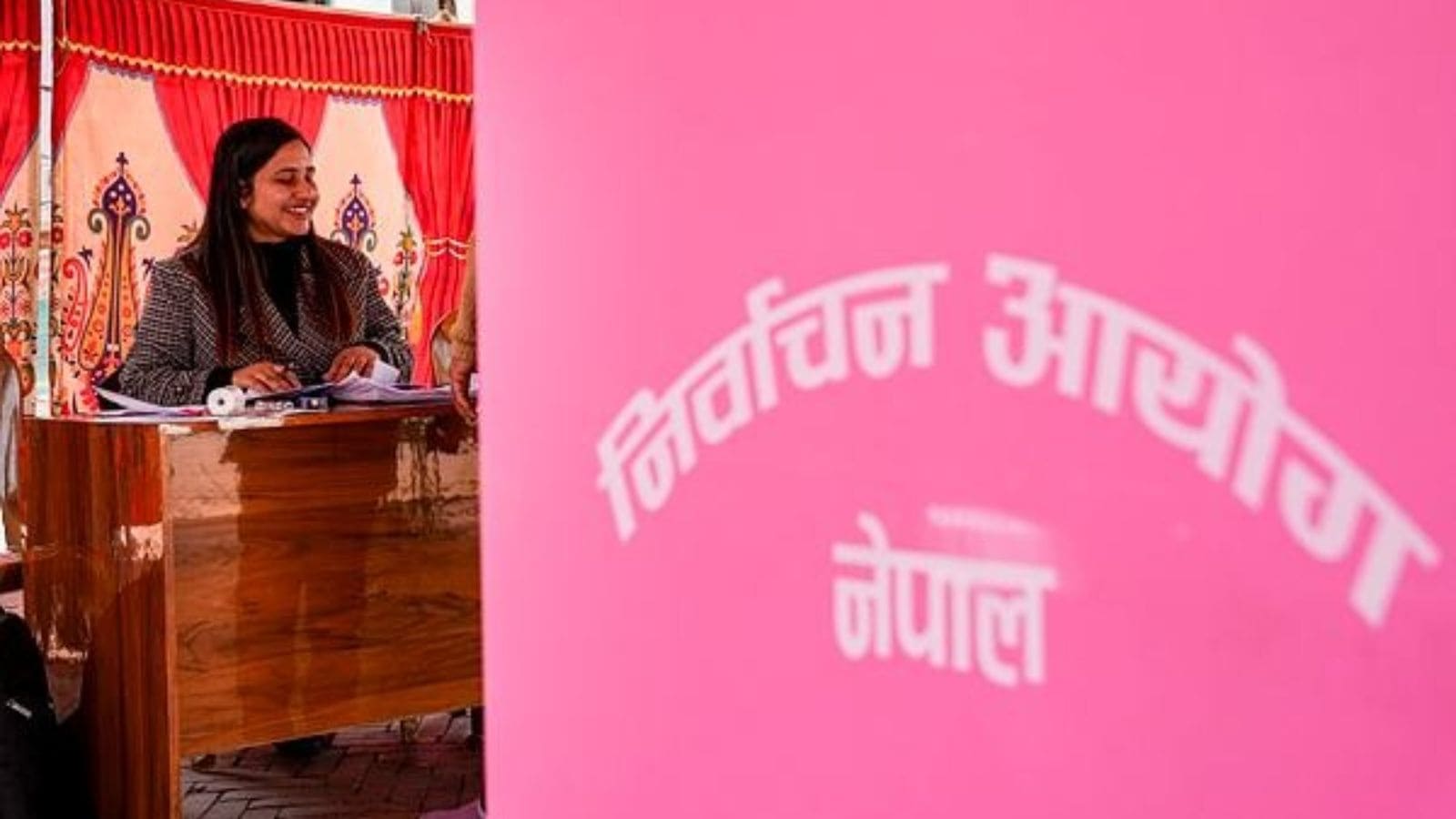 An election official makes final arrangements at a polling station ahead of Nepal’s parliamentary elections, in Kathmandu’s Durbar Square on Wednesday. (PTI photo)
Why are these elections important in Nepal?
This is the first national election since the Generation Z youth protests of September 8 and 9 led to the resignation of then-Prime Minister KP Sharma Oli, who led a coalition government backed by the Nepali Congress and commanded a nearly two-thirds majority in Parliament.
Story continues below this ad.
Following Oli’s resignation, President Ramchandra Paudel dissolved the House of Representatives on September 12 and appointed Sushila Karki as interim prime minister.
The youth movement focused on demands for anti-corruption measures, better governance, an end to nepotism and change in generational leadership. These demands have since shaped political discourse leading up to the current elections.
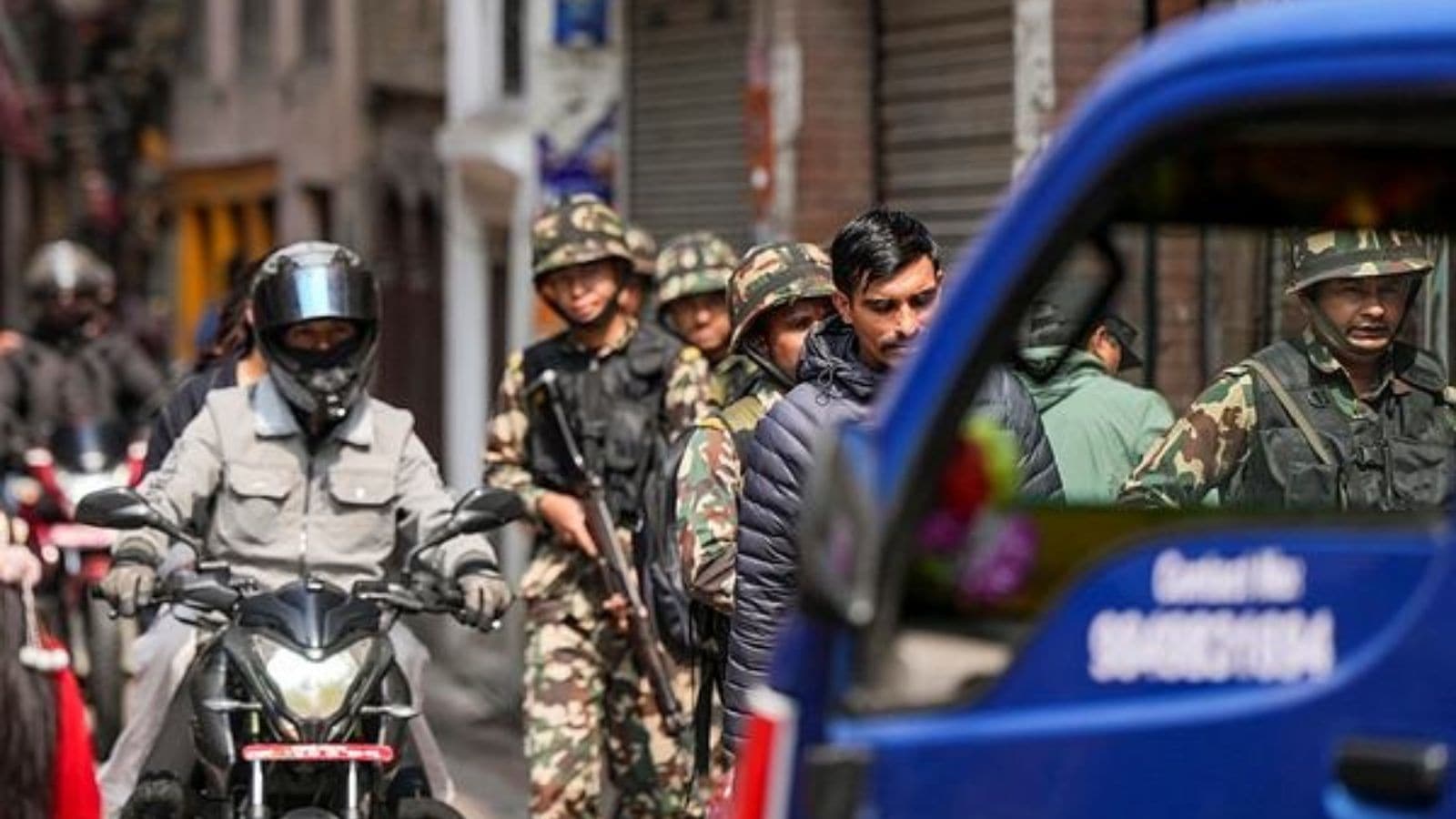 Security personnel maintain vigil as preparations take place ahead of Nepal’s parliamentary elections. (PTI photo)
Key political actors
Nepal’s political landscape appears sharply divided between established parties and emerging forces aligned with the reform agenda.
The Communist Party of Nepal (Unified Marxist-Leninist), led by KP Sharma Oli, and the Nepalese Communist Party led by Pushpa Kamal Dahal ‘Prachanda’ are widely considered traditional forces. While Prachanda’s party claims to have addressed concerns raised by Generation Z protesters, it has not transferred leadership to younger leaders.
Story continues below this ad.
On the other hand, the Rastriya Swotantra Party (RSP), led by Ravi Lamichhane with senior leader Balendra Shahand the reformed Nepali Congress under Gagan Thapa have publicly expressed support for the issues raised by the youth movement.
Other emerging players include the Ujyalo Nepal Party led by Kulman Ghising and the Shram Shakti Party led by former Dharan mayor Harka Sampang, although their influence remains limited to certain regions.
Faces of the Prime Minister and key constituencies
The elections have also become a battle of personalities.
The Rastriya Swotantra Party has projected former Kathmandu mayor Balen, 35, as its prime ministerial candidate. The Nepali Congress has nominated Gagan Thapa, 49, while the CPN-UML has named KP Sharma Oli, 75, as its face prime minister.
Story continues below this ad.
In a high-stakes contest, Balen chose Jhapa-5 as his constituency, directly challenging Oli, who has won the seat six times in the past. Balen’s growing popularity in the constituency has reportedly forced Oli to focus his campaign efforts there instead of traveling across the country to campaign for his party.
Meanwhile, Gagan Thapa, originally from Kathmandu, is contesting from Dhanusha-4 in Madhes province in what observers see as an effort to build political momentum in Nepal’s southern plains.
Both Thapa and Balendra Shah reportedly attracted significant public participation during campaign events, particularly in the southern districts.
Charan Prasai, a leading human rights activist and political analyst, said public fatigue over corruption, nepotism and lack of accountability could influence voters to support new political formations rather than established parties.