Qatar has stopped its production of liquefied natural gas, while India and Europe are the most affected by the increase in prices.
Published March 3, 2026
Indian companies have reduced supplies of natural gas to industries in anticipation of tighter supply from the Middle East after Qatar, the world’s top producer, halted production of liquefied natural gas (LNG), while European gas prices have risen further by more than 30 per cent since the start of the US-Israel war against Iran.
Industry sources with knowledge of the matter told Reuters news agency on Tuesday that the main gas importer, Petronet LNG Ltd, had informed GAIL (India), the main state-owned gas marketing company, and other companies about the reduction in supplies.
Recommended stories
list of 4 itemsend of list
The cuts ranged from 10 to 30 percent, two sources told the agency. GAIL and Indian Oil Corp (IOC) informed customers about the gas supply cuts on Monday evening, according to one of the sources.
India is the world’s fourth largest buyer of LNG and relies heavily on the Middle East for its imports. The South Asian nation is Abu Dhabi National Oil Company’s largest LNG customer and Qatar’s second largest LNG buyer.
Sources said the cuts were set at minimum lift amounts that would protect suppliers from any penalties from customers based on contractual terms.
They added that to make up for the LNG shortfall, companies including IOC, GAIL and Petronet LNG were planning to hold spot tenders, although spot prices, freight and insurance costs have increased.
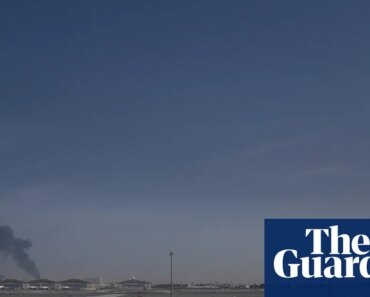
QatarEnergy on Monday suspended LNG production following a drone attack, testing the global market. The move followed Iranian drone attacks on a water tank at a power plant in the industrial city of Mesaieed and a power facility in Ras Laffan belonging to QatarEnergy, the world’s largest LNG producer.
Qatar’s state energy company was forced to declare what is known as force majeure, when a company is released from contractual obligations in the event of extraordinary circumstances.
The US and Israel’s war with Iran also spilled over into the Strait of Hormuz, one of the world’s most critical energy bottlenecks, causing oil and gas prices to surge.
Qatar’s LNG exports account for 20 percent of the global market. With fewer products reaching the market, LNG supply decreases, causing prices to rise.
Meanwhile, European stock markets fell further in early trading on Tuesday and the region’s natural gas prices soared again.
The Dutch TTF natural gas contract, considered the European benchmark, soared more than 33 percent, after soaring nearly 40 percent on Monday.
The intensity of the attacks across the Middle East and the lack of any apparent off-ramp, with diplomatic overtures currently non-existent in the public eye, set the stage for a protracted conflict with far-reaching consequences, including for global energy markets.
US President Donald Trump said Washington has “the ability to last much longer” than the projected four to five week timeline for its military operations against Iran.
Tehran and its allies have counterattacked Israel, neighboring Gulf states that host US assets and targets critical to global oil and natural gas production.