Applying for a master’s degree is a big decision. When it means leaving a career you love, moving to a new country, or entering an institution where you’re not sure where you belong, it can feel like a scary leap into the dark. But for three new graduates of the Royal College of Art, who are now prize-winning and internationally exhibiting artists, this leap is exactly what they have achieved.
Lukman Ipese, Camila Barvo and Makiko Harris had very different starting points. Lukman is a UK-based marketing manager balancing a UAL Postgraduate Diploma with a full-time job. Camila works in textiles for a fashion brand in Colombia. Makiko is a well-known California-based artist who longs for something beyond her comfort zone.
What they all had in common was an intuition that they were ready for more, and RCA was the place to find it.
trust your intuition
Neither of them took the decision lightly. Lookman was honest about his initial reservations. “I must admit, I never thought about studying at the RCA,” he said. What changed his mind was hearing a guest lecture by artistic director Giulia Garbin at UAL. “Witnessing firsthand the depth of knowledge she gained while studying for her master’s degree at the RCA and her creative growth made me envious,” he recalls.
Courtesy of Lukman Ipese

Contributed by Lukman Ipese. Photo by You Bingbing

Contributed by Lukman Ipese. Photo by You Bingbing
Courtesy of Lukman Ipese
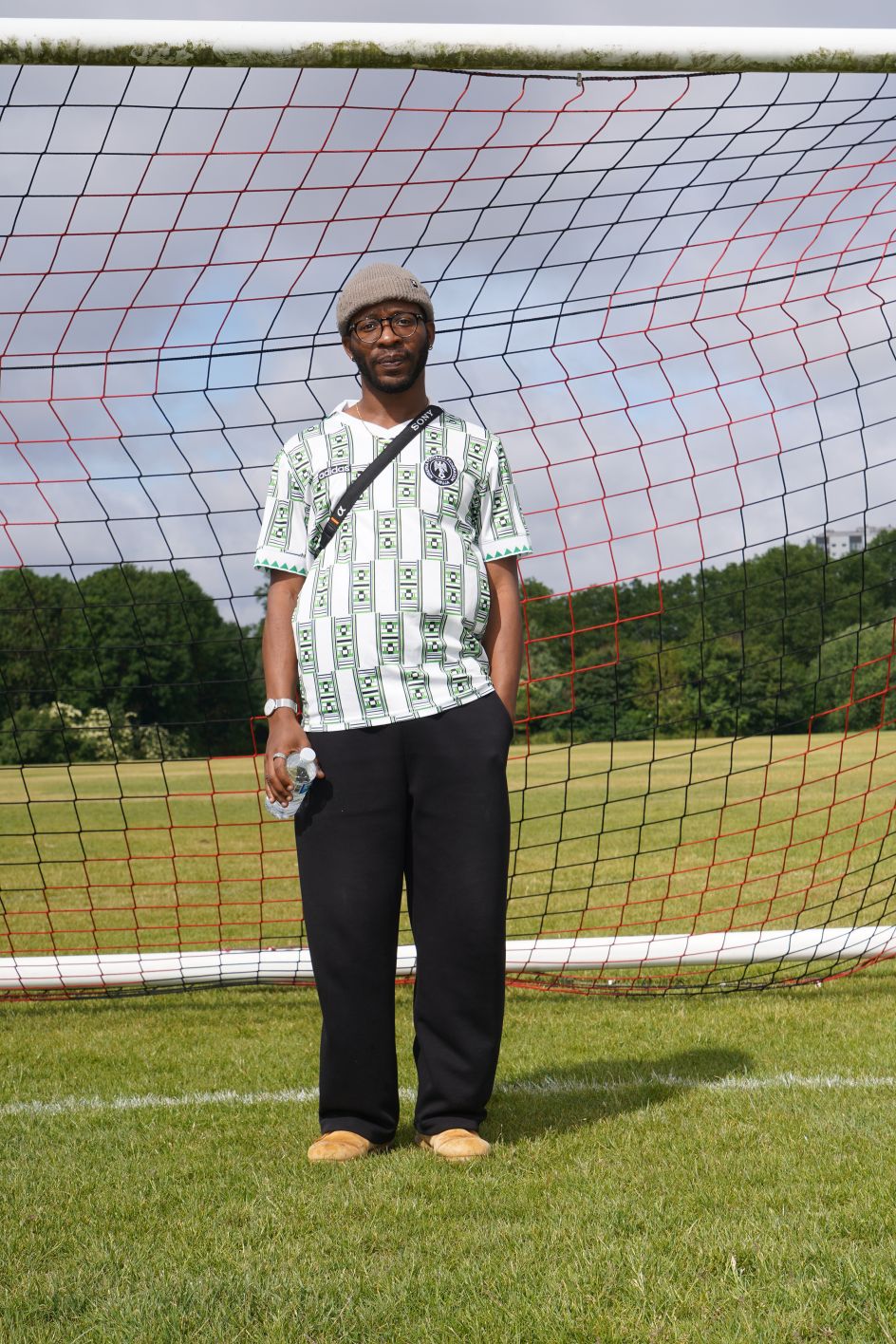
Courtesy of Lukman Ipese
Camila turned down RCA the first time because she was offered a job with a fashion brand in Cali, Colombia. But 18 months later, the question still lingers in her mind. “I remember thinking: ‘When am I going to stop procrastinating on achieving my dreams?'” she explains. “There was a gut feeling telling me to explore my creativity further within materiality. I felt like London and the MA at the RCA seemed like the ideal place to spend time with myself and develop my creative voice.”
For Makiko, meanwhile, the attraction is the city itself. “Coming from San Francisco, I longed for the density and intensity of the London scene and its exposure to a more international arts scene,” she says. “It felt like it was time to leave my comfort zone and immerse myself in an environment that challenged what I thought was possible.”
free to be something new
What struck the trio was that RCA gave them a lot of freedom to rethink not just their work, but their entire creative identity.
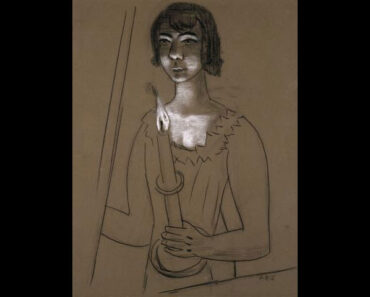
“I went into the RCA thinking I was going to learn more embroidery techniques to develop my textile design background,” Camila said. “But everything changed when I began to challenge what embroidery meant to me, what gestures were involved in the movement of this technique, and what it revealed about myself. It was that year at the RCA that I recognized myself as an artist. I came away with a new way of approaching and understanding my work.”
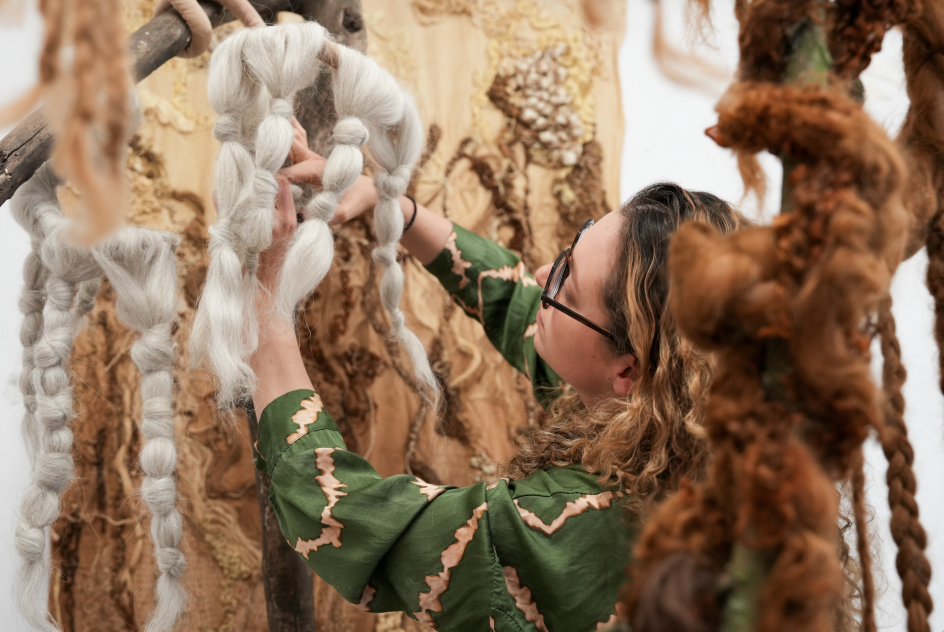
Contributed by Camila Barvo. Photo by Sarabande Foundation
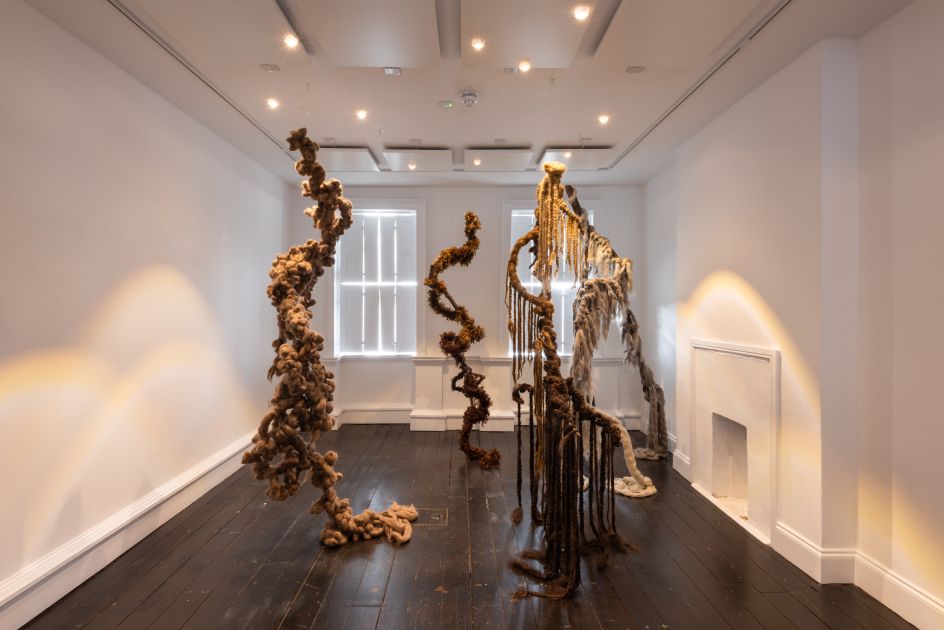
Contributed by Camila Barvo. Photo by Rene Lazovi
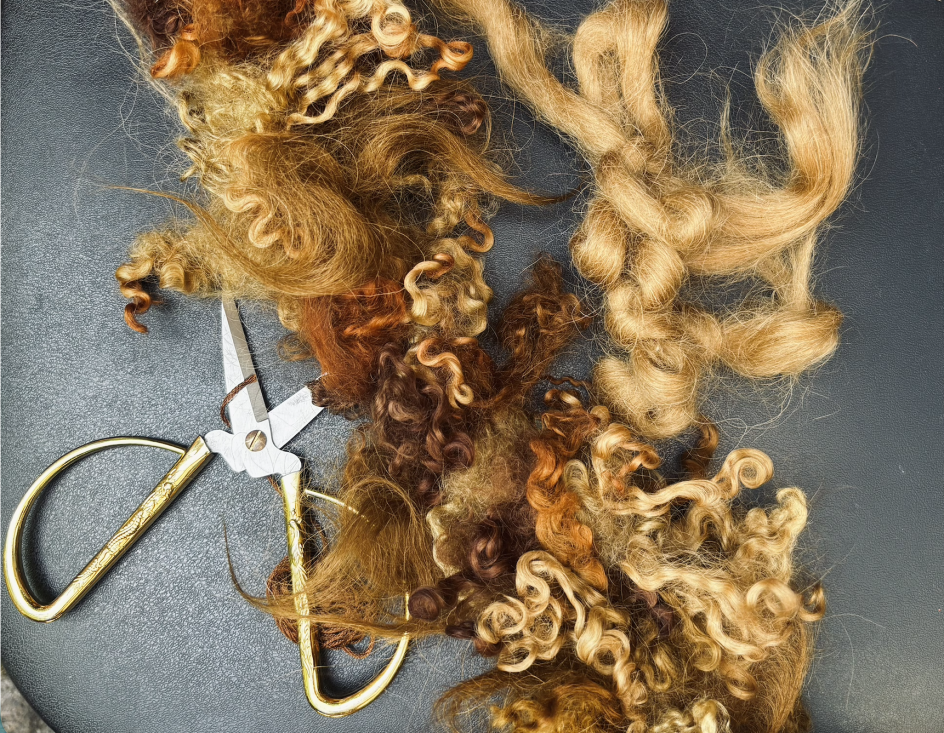
Contributed by Camila Barvo.
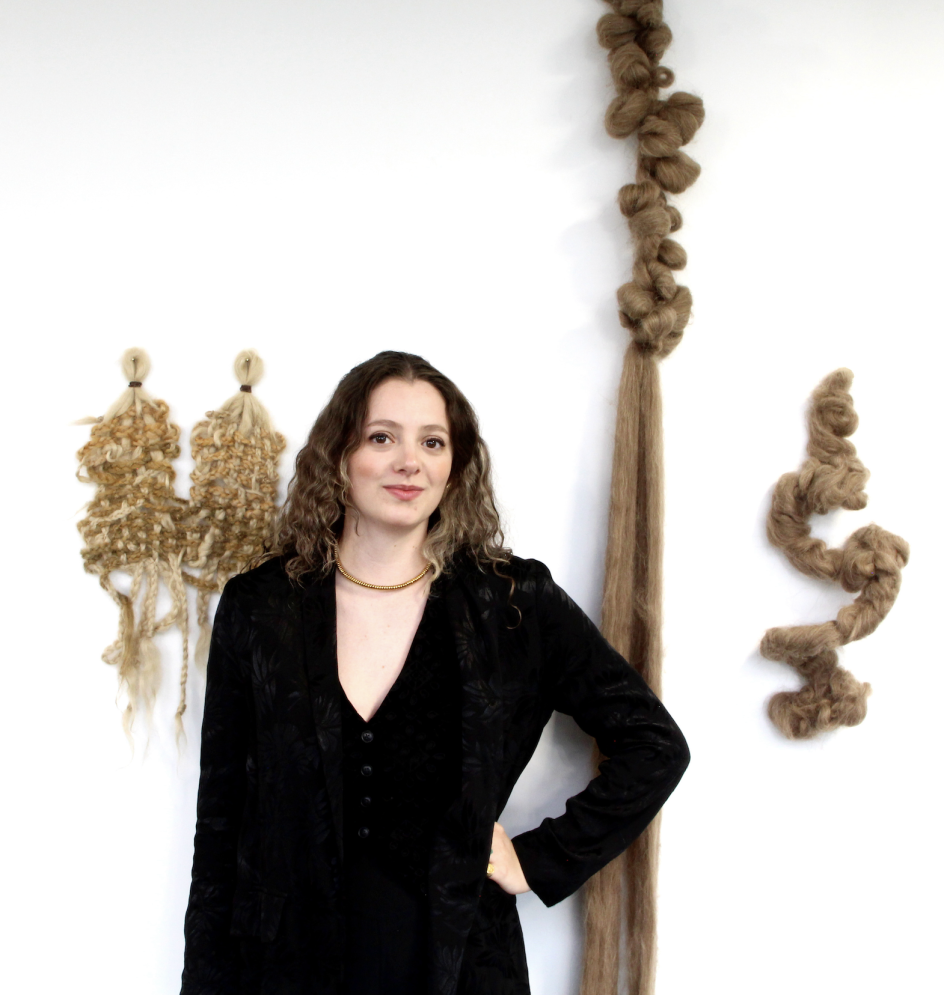
Contributed by Camila Barvo
Lukman’s transformation was equally profound, albeit of a different nature. “To be honest, I didn’t know what practice was before RCA,” he admits. He expects the transition from marketing to design to be primarily about building confidence and producing stronger work. Instead, RCA fundamentally changed what design meant to him.
“A tipping point is introducing participatory and collaborative approaches,” he said. A course called “Creating the World with Others” is crucial, in which students work with sixth graders to tell stories and build trust. “It redefined design for me as something related and shared, rather than something that occurs in isolation.”
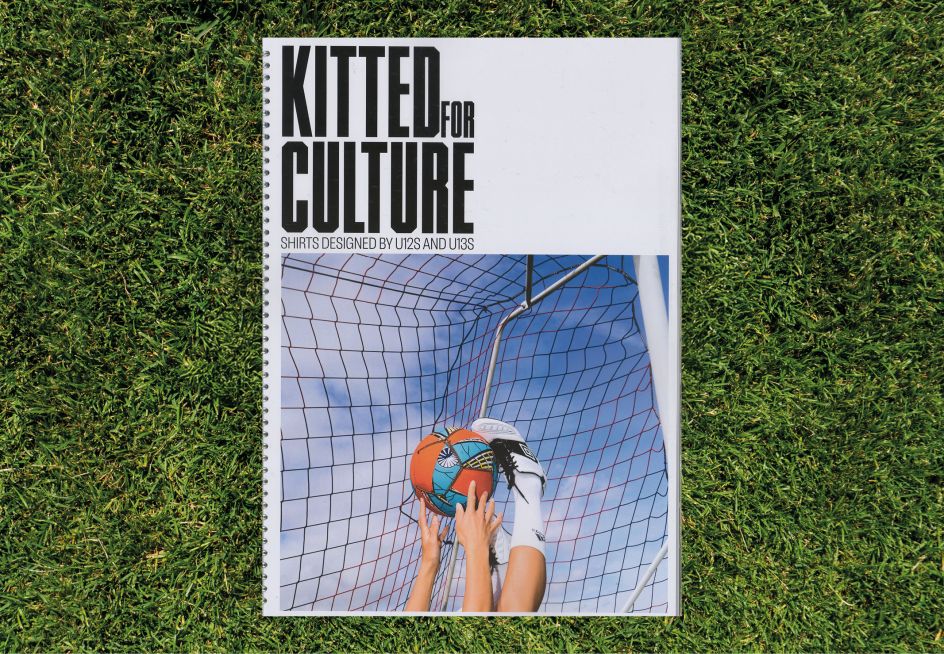
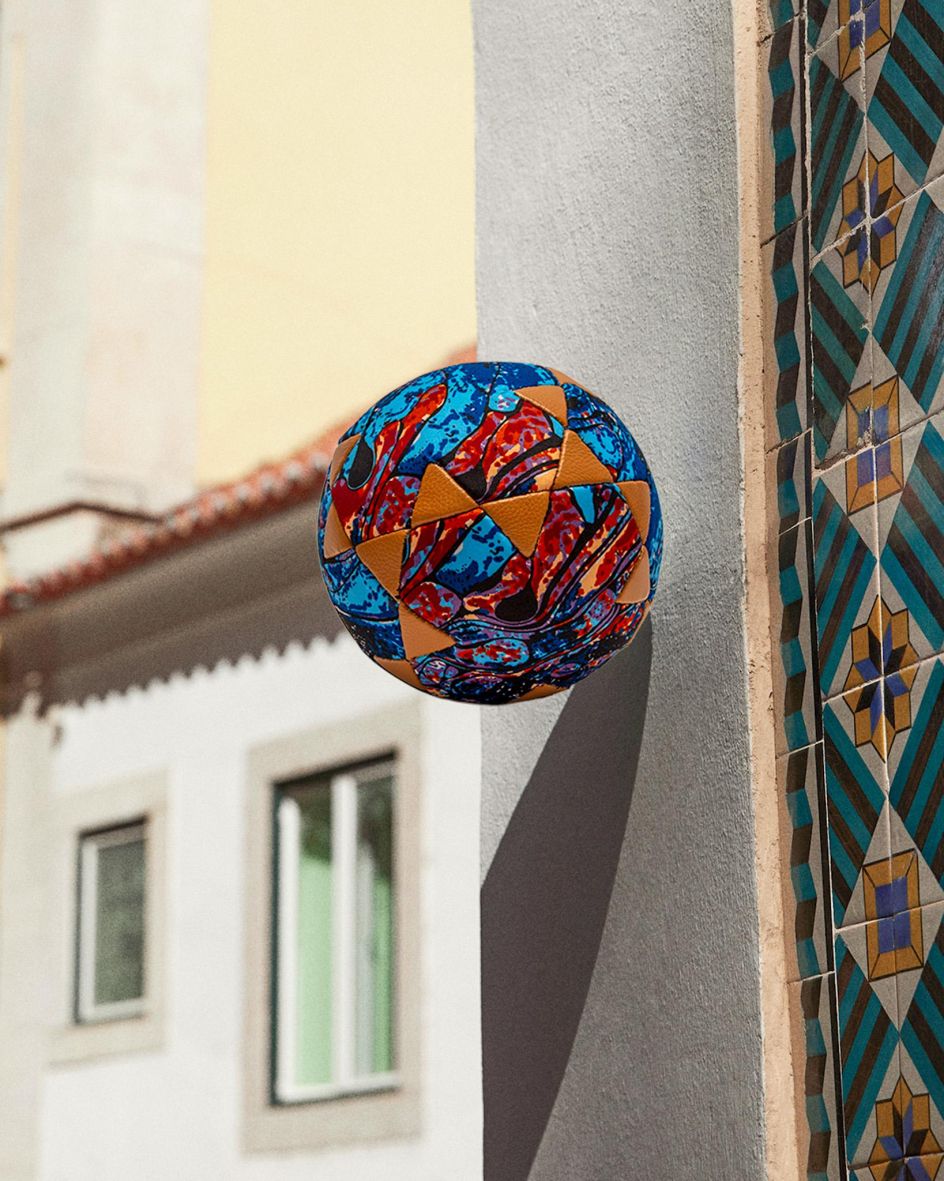
This new way of working fed directly into his final project, Kitted for Culture. He reimagined the football shirt as a cultural artifact, reshaping the way he viewed his career. “I realized that my marketing background should not be thrown away but needed to be rebuilt to help me communicate ideas, build partnerships and sustain projects,” he notes.
Makiko describes a steep but ultimately liberating learning curve. “When I arrived in London, I didn’t even know what Frieze was. Suddenly, I was surrounded by peers who seemed well-versed in the language and logic of the international art world. I struggled with severe imposter syndrome at first, but the environment forced me to learn quickly, think for myself, and ultimately believe that I belonged here.”
The people who make this possible
Ask any of these creative minds what made the biggest difference at RCA, and the answer isn’t a building or a piece of equipment; It’s the people.
Camilla credits her mentor Celia Pym with fundamentally reinventing her approach. “This mentorship is very important to me,” she stressed. “Celia challenged and questioned me to further the origins of my practice.” Above all, she has always taken one piece of advice to heart: “Never stop creating, because creating will give you the answers.”
For Luckman, it was his mentor Joseph Pochodzaj. “He pushed me to be critically aware of extraction issues and to only work with communities that I was truly involved in or invited to join,” he explains. “This guidance helped me express Kitted for Culture as more than a collection of football shirts and recognize that it is a cultural and social project rooted in identity, representation and collaboration.”
Makiko tells a similar story. “Technicians are the heart and soul of RCA,” she said. “Beyond their roles, they became collaborators, shared problem solvers, and true supporters of my work. Some of these relationships lasted long after graduation; these technicians remain friends and supporters that I turn to for advice.”
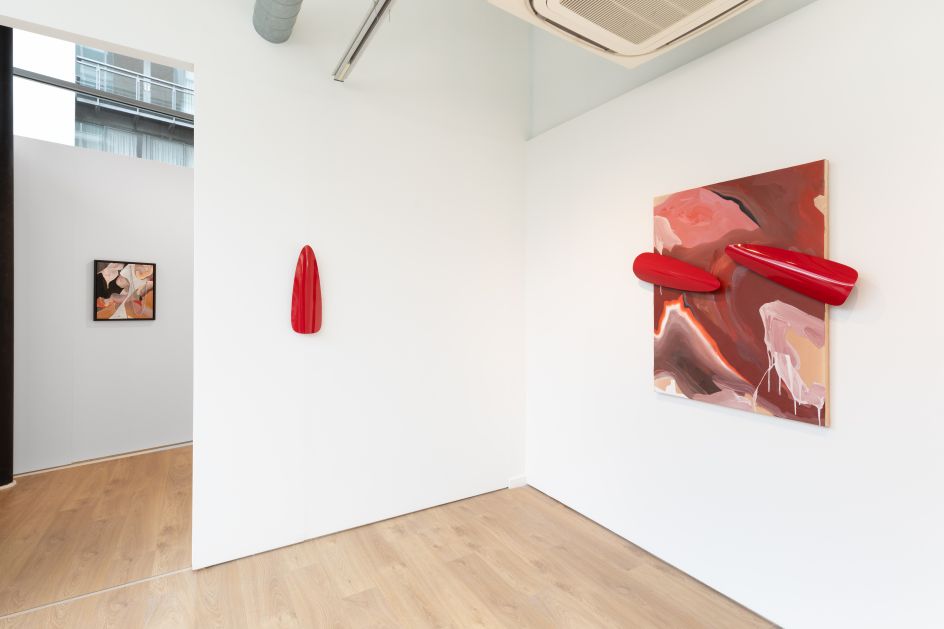
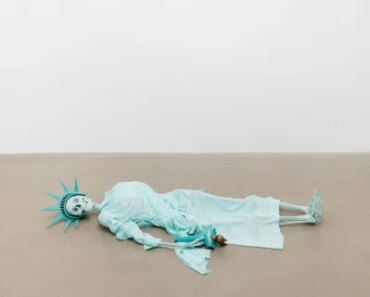
Contributed by Makiko Harris. Photo by Ben Guan
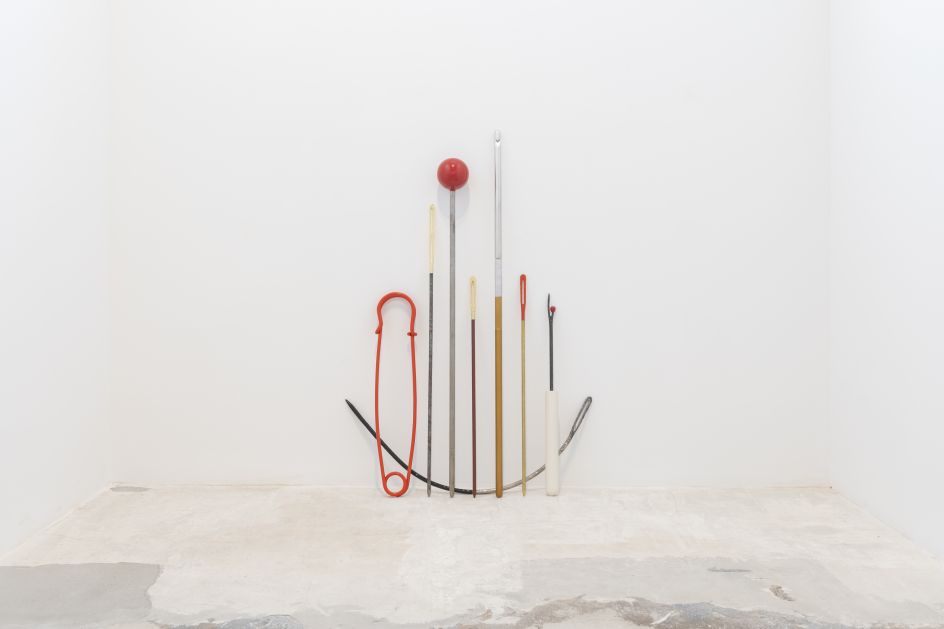
Contributed by Makiko Harris. Photo by Ben Guan
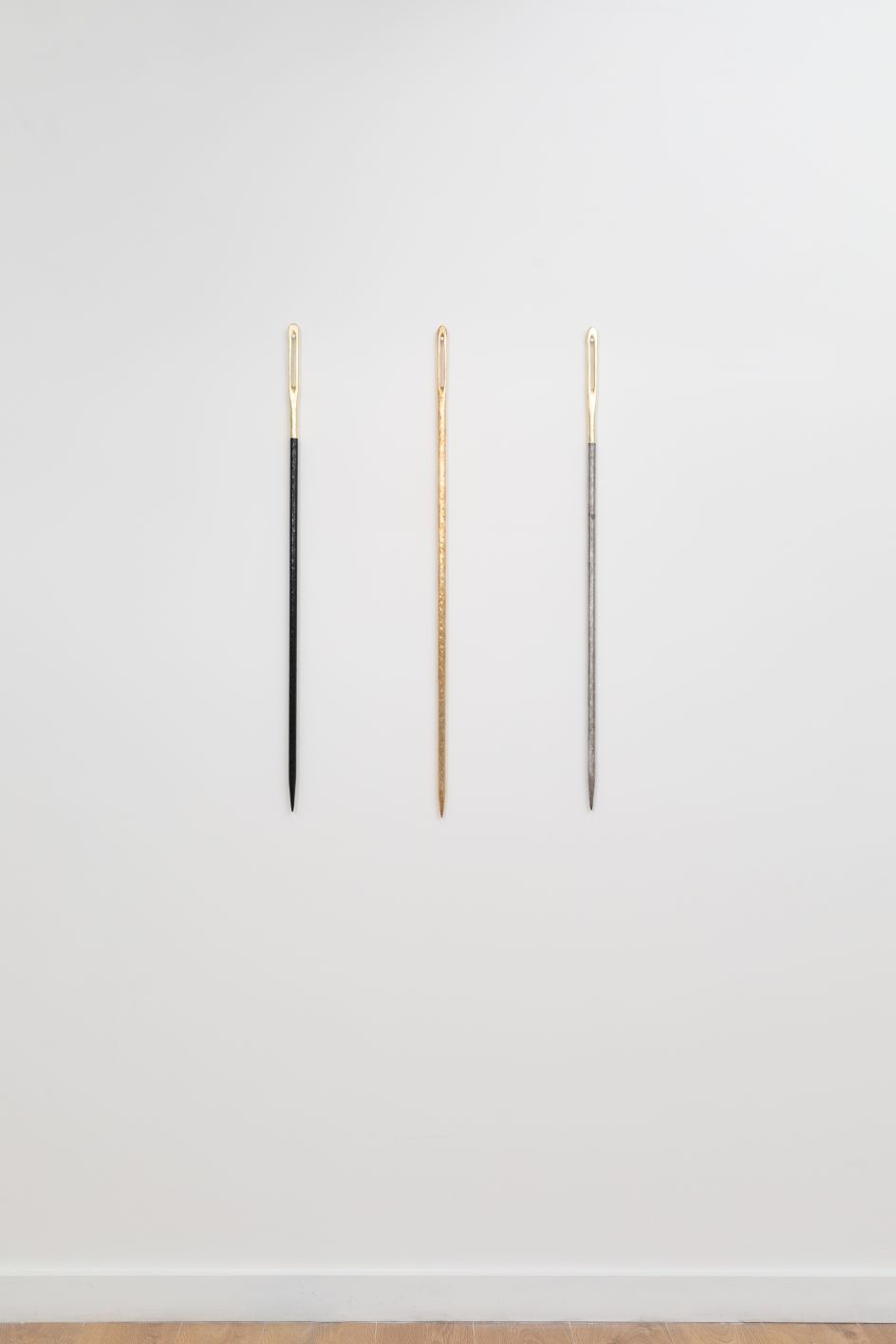
Contributed by Makiko Harris. Photography: BJ Deakin Photography
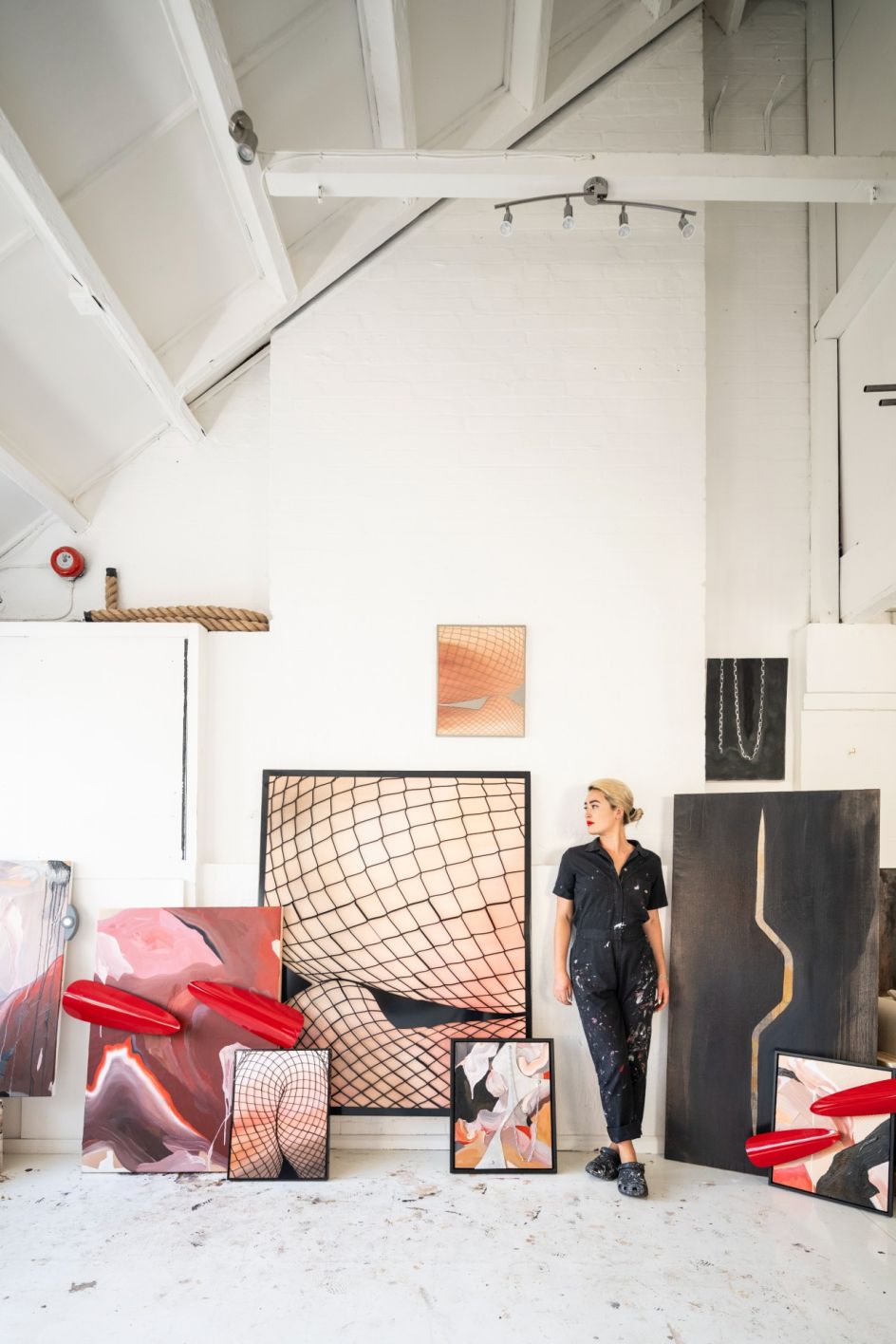
Contributed by Makiko Harris. Photo by Ben Guan
This principle underpins everything she does today. “My practice depends on collaboration with makers, artistic collaborators, technicians, gallery staff and curators,” says Makiko. “The RCA taught me that making art is not a solitary endeavor, even though it often feels like it. It is built on trust, community, and the generosity of others.”
Should you take this step?
Want to follow in the footsteps of these award-winning creatives? Camilla’s advice is simple. “Don’t get too hung up on the label your degree gives you,” she says. “Creativity can be integrated into any role or practice.”
Luckman, meanwhile, urges prospective students to immerse themselves in the full experience. “What you put in, you get out,” he said. “Work on projects you really care about, learn from your colleagues, and allow yourself to have social and creative fun because informal conversations can unexpectedly grow into something bigger.” He also encourages applicants from non-traditional backgrounds to consider their experience as an asset. “Don’t think of it as a weakness. My marketing skills became one of my greatest strengths; the power of a persuasive cold email resulted in some amazing donations.”
Makiko adds that it’s a huge social, financial and emotional commitment, but it’s worth it. “If you prepare yourself, stay strategic, focus on your personal rewards and accept the challenge, it can be transformative,” she stresses. “The key is knowing yourself well enough to be able to navigate it on your own terms.”
Three completely different journeys, one common belief. The RCA not only developed their practice; This changes how they see themselves.
Lukman Ipese is studying for a Master’s degree in Visual Communication. He received the Helen Hamlyn – Clarion Future Award and the Varley Memorial Award for his Kitted for Culture project. Camila Barvo is studying for a master’s degree in textiles. Camilla was awarded a Sarabande Foundation Residency and was a finalist for the John Ruskin Medal. She also received the British Textile Association’s Highly Commended Graduate Award in 2024. Makiko Harris studied for an MA in Contemporary Art Practice. Makiko was selected for New Contemporary Art (2026), a finalist for the Cass Art Prize, and longlisted for the Women in the Arts Award.