You don’t start with color when the charity’s biggest problem is that it’s too quiet. You start with the sound. In brand design, voice starts with the typeface. This is the lesson at the heart of UnitedUs’ rebranding of Buttle UK; a 70-year-old children’s donation charity that, by its own admission, has too limited funding for the scale of the problem it cannot solve.
The Brighton institution responded by building the new identity around a carefully designed typographic system: three distinct layers of type, each performing a specific job and each calibrated for a different emotional register. This is a work that deserves close attention by anyone interested in how letter forms carry meaning…well beyond the words they spell.
low-key question
Battelle provides grants for things most of us take for granted: a bed, a coat, a laptop for homework, a school trip. These are not luxuries, but for kids living in poverty, they can make a world of difference. The charity’s previous identity, while functional, lacked the emotional scope to convey this fact. In the words of UnitedUs partner Luke Taylor, this is a brand that needs to “spark a conversation” rather than wait politely.
The strategic pivot falls on a slogan – “For the things that matter in childhood” – which moves the charity’s work away from the clinical language of crisis intervention and towards the experiences of children themselves. Everything that comes next in the visual identity, including typography, must serve this shift.
Reckless: Storybook Voices
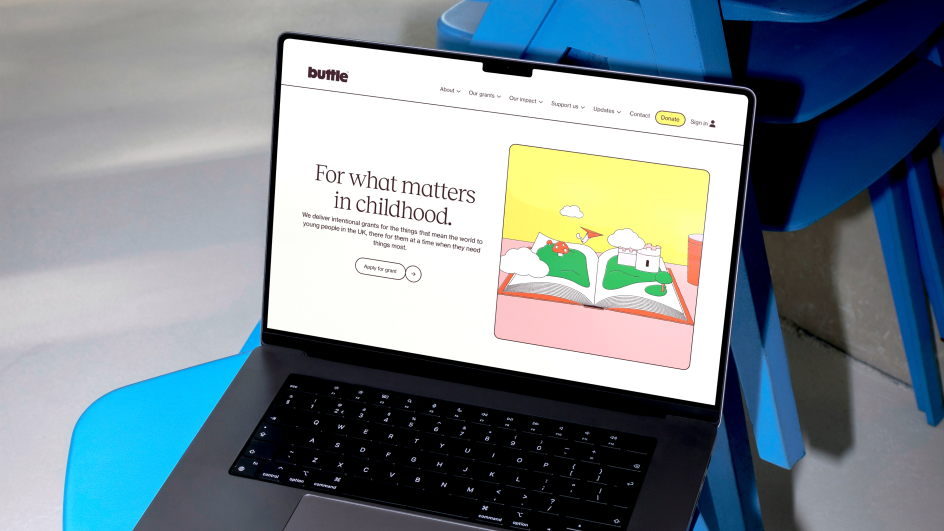
At the heart of the font system is Reckless, a serif font that immediately sets Buttle apart from the default sans-serif fonts of many charities. It’s an interesting choice and a confident one. While many organizations seeking “modern” or “approachable” instinctively turn to geometric sans serifs, UnitedUs goes in the opposite direction: toward warmth, narrative, and nostalgia.
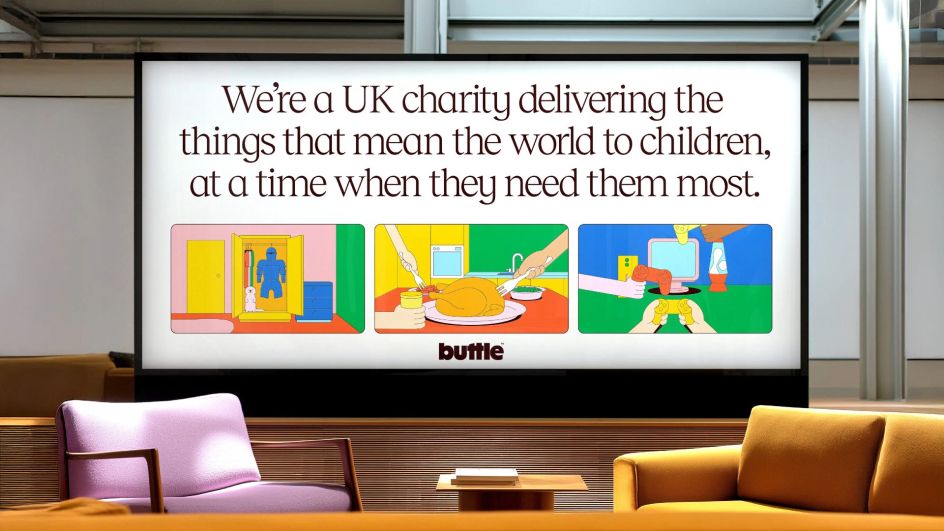
Reckless has what the agency describes as a “classic storybook feel,” which makes perfect sense. Because the rebrand’s visual reference wasn’t contemporary children’s media, but something older and more universal: the clean, emotionally direct illustration style of Miffy, Dalmatians and Mr. Benn.
Reckless sits comfortably in that world. Its letterforms are gentle and elegant, but not precious, and crucially include child-friendly single-layered forms of ‘a’, ‘g’ and ‘y’. This detail is important for readability for young readers and readers with dyslexia.
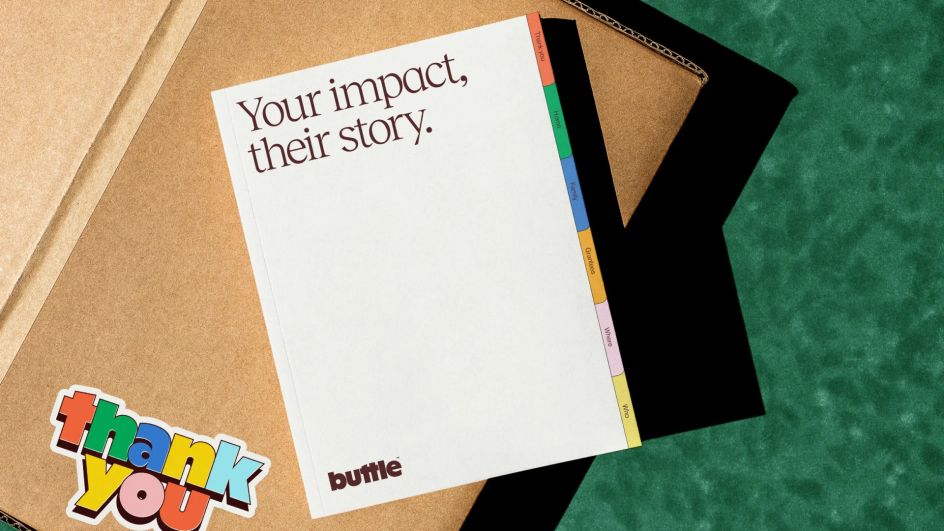
Used extensively throughout the website, impact reports and campaign materials, Reckless provides a heavy emotional lift. Lines like “Things That Matter About Childhood” and “Your Impact, Their Story” gain a quiet authority from the typeface’s serif structure. At the same time, its slightly informal proportions prevent the authority from becoming boring.
It all reads like a warm, steady voice telling you something important. That’s exactly the tone a charity like Battelle needs when talking to donors, referrals and policymakers simultaneously.
Neue Haas Grotesk: The invisible backbone
If Reckless is the storyteller, then Neue Haas Grotesk is the infrastructure. Deploying body copy in all communications is a choice that signals print literacy. As you know, Neue Haas Grotesk is Helvetica’s original drawing. However, Helvetica has been softened and homogenized over decades of popularity, while Neue Haas Grotesk retains a clear character that is conducive to use at text sizes.
It works here precisely because you don’t notice it. On long reads (grant reports, policy documents, charity website copy), it steps back completely and lets the content breathe. The contrast with Reckless is instructive: serifs express personality, while sans-serifs express clarity.
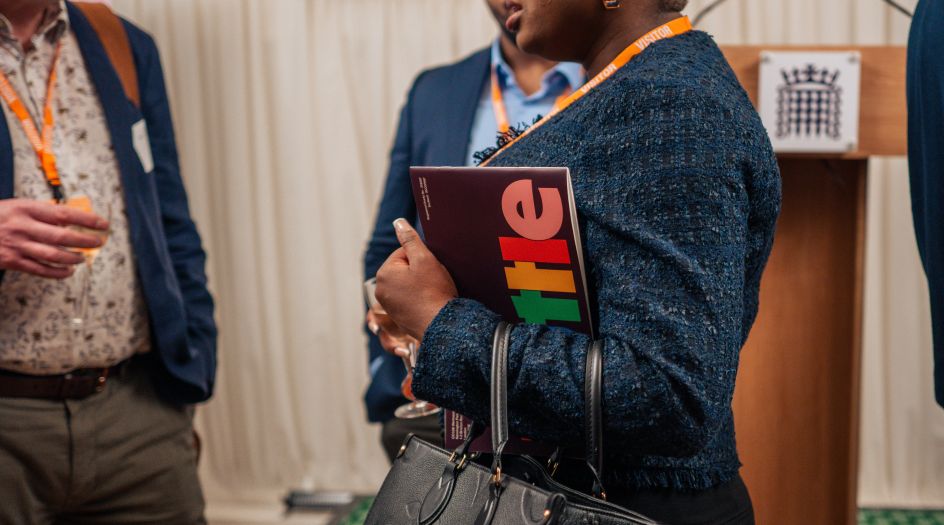
Together they create a rhythm that moves between emotional engagement and informational transparency, reflecting the charity’s dual role as storyteller and evidence-led organization.
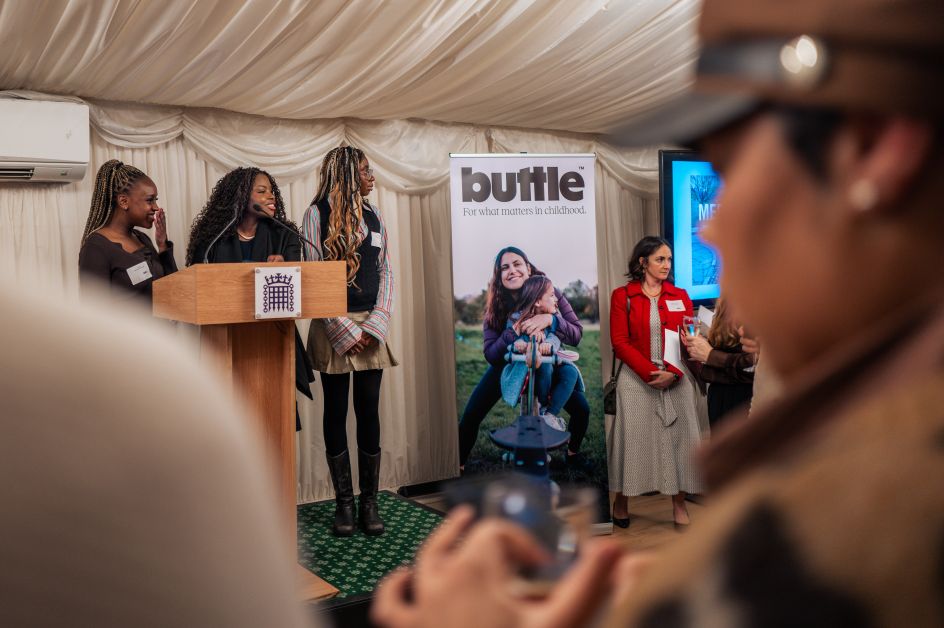
This pairing also solves a practical problem. Bartell engages with an unusually broad audience: children and young people, frontline social workers, individual donors, corporate funders, trustees and government agencies. It is difficult for a single font to reliably solve all these problems. Two-voice systems allow brands to adjust their tone without feeling inconsistent.
Childhood Genre: Destruction of Joy
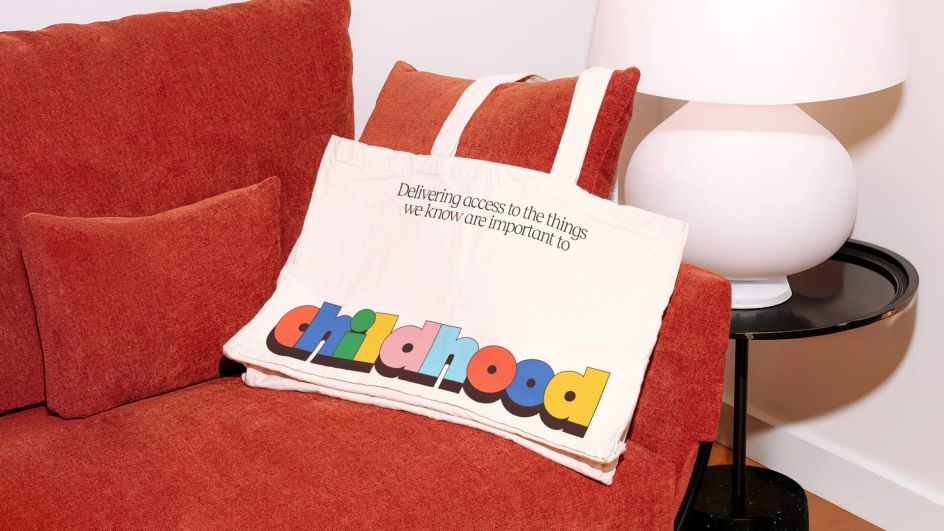
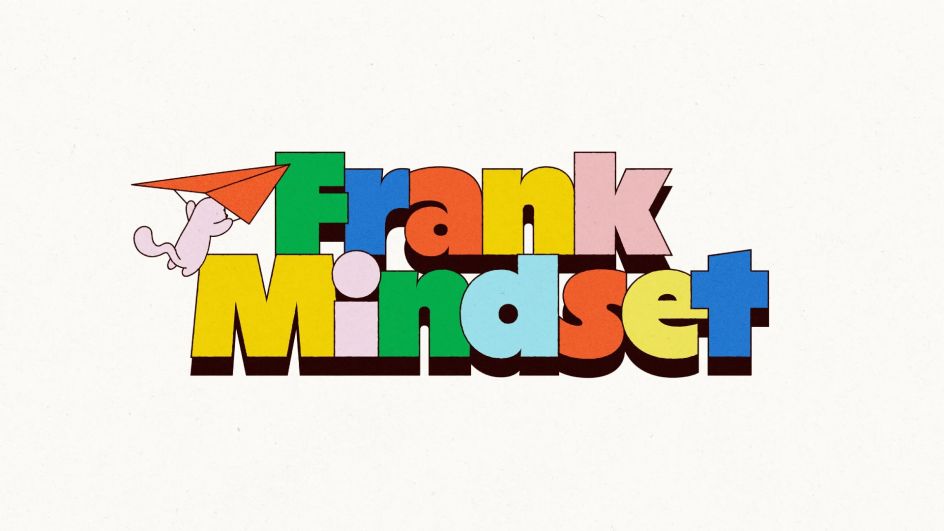
The third level is where things get interesting. UnitedUs developed a “childish” style: a custom, expressive treatment with bold, colorful large fonts inspired by vintage toys and retro illustrations. You can see it most clearly in the “Frank Mentality” lockdown: oversized letters in green, blue, orange, yellow, and pink, stacked and overlapping with hand-drawn energy that’s completely unlike anything else in the system.
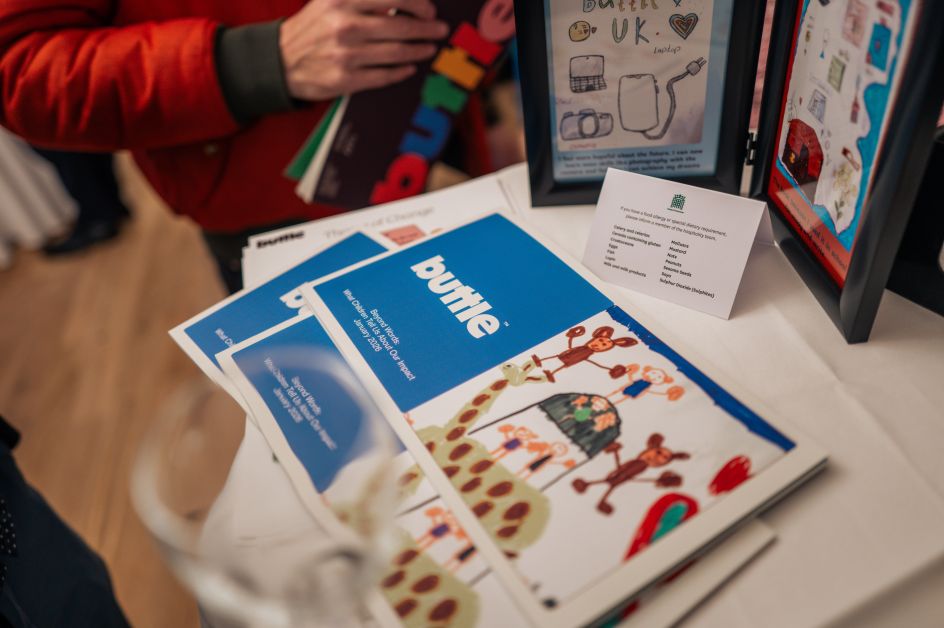
This treatment is rarely used, and it’s this restraint that makes it effective. It comes in impactful moments (key statistics, campaign headlines, the word “Armor” on a branded T-shirt) where a wave of pure, simple joy breaks through an otherwise cautious tone. It works almost like a child’s handwriting intruding into adult conversation: disruptive, captivating, and impossible to ignore.
The color palette here also deserves a mention, as it goes hand in hand with the type treatment. While Bartel’s primary color palette is stripped back to off-white dark brown-black (high contrast and very accessible), Childhood Type unlocks a full secondary palette of bold primary colors and warm pastels.
The effect is of a brand that knows when to get serious and when to let color and personality flow in. This discipline is harder to achieve than it seems.
Wordmark: Hidden in Plain Sight
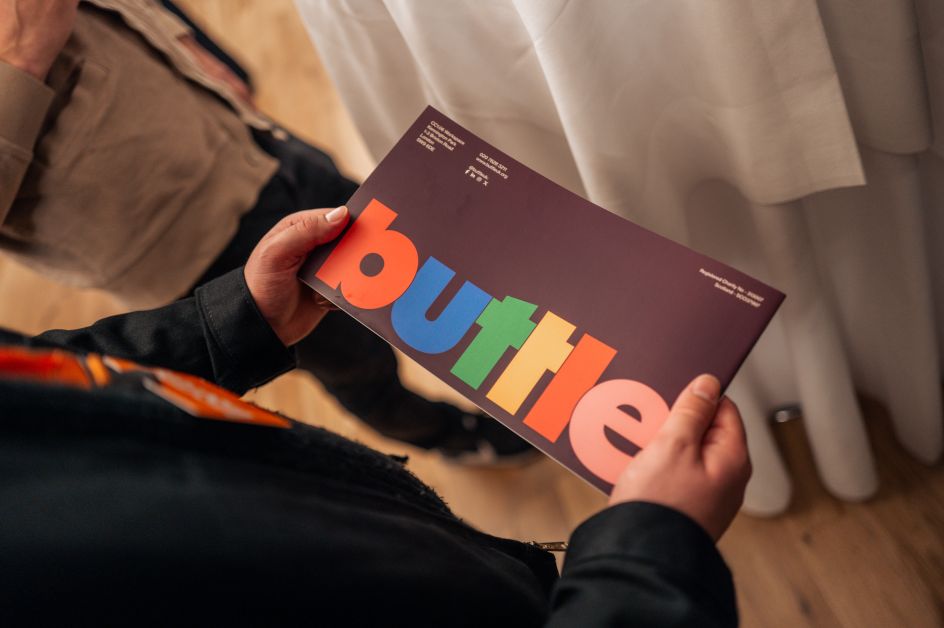
The Buttle wordmark itself is a quiet piece of craftsmanship. It features thick, rounded lowercase letters, which visually give it a soft feel but belie its weight. The double “T” forms the centerpiece, a theme that continues from the previous logo but is reimagined as a more abstract, almost architectural element. It has some building-block elements to it, which feels intentional for an organization committed to providing the foundation.
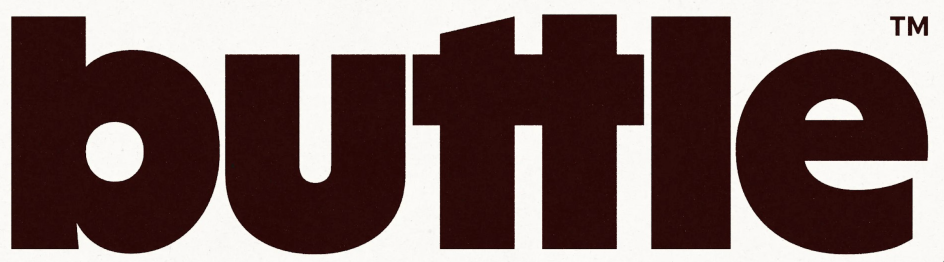
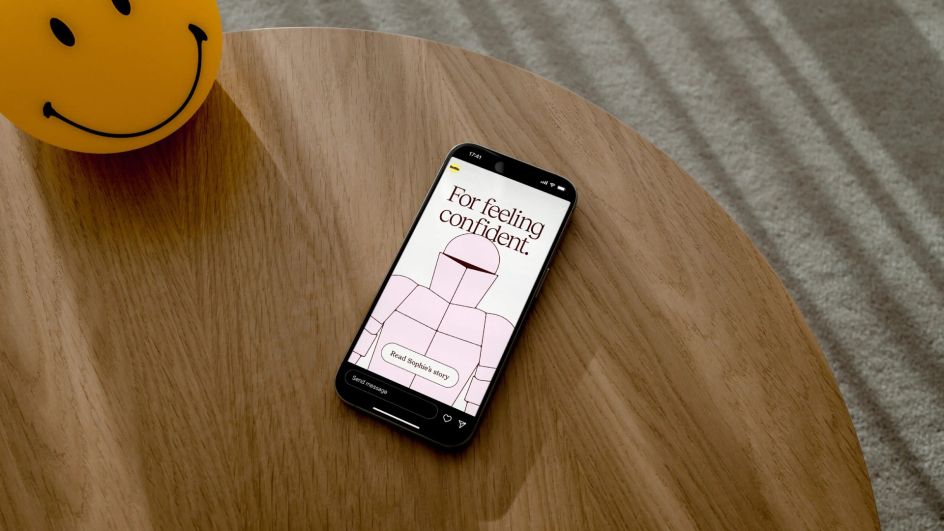
This wordmark comes in small size to fit comfortably on a phone screen or in large size to place on a presentation wall. This flexibility is important for charities that need consistency across their grant application portals, Instagram stories, impact reporting and event signage.
why it works
What makes this printing system convincing is not any single element; This is their relationship. Reckless provides emotional warmth and narrative voice. Neue Haas Grotesk offers neutrality and trust. Childhood types provide energy and uniqueness. Each has its own realm, and the transitions between them feel natural rather than jarring.
This is a system designed with operational awareness in mind. A charity of Battelle’s size doesn’t have an in-house design team to create every piece of collateral. The type system needs to be usable by non-designers producing internal documentation, external agencies creating campaign work, and digital teams building web pages. The clarity of the three-tier hierarchy makes this possible; you always know which sound to engage with.
Overall, the Buttle rebrand is a useful case study in how typography can play a strategic role. The choice of font is not decorative; They love to argue. They set out what the charity is, who it is for and how it wants to be understood. In a field where visual identity is often an afterthought—logo updates and new color swatches—it’s a welcome reminder of what can be achieved with thoughtful print design.
UnitedUs isn’t just giving Battelle a new look. They gave it a ranged sound.