South Korea’s Kospi index rose 11%, recovering from the gauge’s worst crash in the previous session. MSCI’s broadest Asia-Pacific index rose 2.8%, while futures on U.S. benchmarks advanced on Thursday as sentiment showed signs of stabilizing after a volatile start to the Middle East conflict.
Asian gains followed developments on Wall Street, where the S&P 500 index rose 0.8% and the Nasdaq 100 rose 1.5%, helping a rally in tech megacaps. Equities were supported by data showing the U.S. services economy expanded at its fastest pace since mid-2022, while the price index hit a nearly one-year low, somewhat easing inflation concerns. Treasuries were little changed while the dollar fell on Thursday morning.
“I think market participants are looking and trying to say, ‘How does this play out? What’s the end game?'” David Solomon, chairman and CEO of Goldman Sachs, said in an interview with Bloomberg Television. “As they have more data in the coming days, next week or two, I think that will have an impact on the risk premium.”
Meanwhile, China has set its 2026 GDP target at 4.5%-5%, the least ambitious growth target since 1991. China has set a 2026 CPI growth target of around 2%.

Support from U.S. stocks offered Asian traders some respite from broader regional declines on Wednesday, as investors continued to assess the impact of the war on growth and inflation. For the rebound to continue, investors will need more clarity on the duration of the conflict and the level of inflation.
“The most likely outcome is that geopolitical stuff works itself out and accelerates the economy,” said Charles Lemonides, founder and chief investment officer of ValueWorks LLC, a hedge fund in New York. “I certainly won’t step on the side.” Traders remained focused on oil as rising prices after the Iran war threatened to accelerate inflation. Oil prices rose as traders assessed the wider fallout from a US-Israeli war against Iran, and the belligerents vowed to pressure energy markets with the conflict.
West Texas Intermediate rose to $76 a barrel, after rising about 11% in the first three days of the week, while Brent was near $83. In other commodities, gold advanced after the dollar, which has been the currency of choice for investors since the outbreak of war, eased and sentiment in currency markets stabilized.
Bullion was initially near $5,170 an ounce in early trading, after adding 1% in the previous session. Gold and silver prices rose along with stocks earlier this year. In other corners of the market, the dollar was weak on Thursday and Treasuries pared their losses from the previous session, with the benchmark 10-year yielding 4.10%.
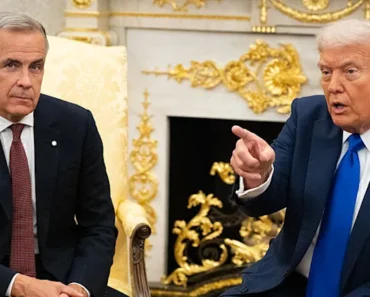
Meanwhile, President Donald Trump expressed confidence in a military campaign against Iran even as the timetable for the operation remains unclear. Tehran has targeted Israel and the Gulf states, while Israeli and US forces have followed through on promises to bomb targets in the Islamic Republic. The US sank an Iranian warship in international waters.
Tehran also rejected the report that it had sent the US to negotiate an end to the war, calling it “pure lies”. At the same time, China will send its special representative for Middle East affairs to the region to try to mediate.
Although risk assets face “significant headwinds” from war and concerns about artificial intelligence, economic strength and strong earnings mean the range of returns will be limited, Goldman Sachs Group Inc. According to Peter Oppenheimer.
After cutting interest rates three times by 2025, Fed officials held borrowing costs steady in January, pointing to above-target inflation and recent stability in the labor market. Many policymakers have even considered the possibility that the U.S. central bank may need to raise interest rates if inflation rises.
The Labor Department will release its February jobs report on Friday and officials will receive an inflation update next week. Policymakers gather again in Washington on March 17-18.