The start of a new year demands certainty. There’s an unspoken expectation that in January you should have vision, energy, and a clear sense of where you’re headed—not just personally, but creatively. You should arrive with answers, confidence, and motivation.
It’s February now and I’m still not entirely convinced that certainty will arrive as promised. Honestly, I feel that pressure every year, but this year it’s different.
The last twelve months have been defined not by breakdown or burnout, but by something quieter and harder to name. Nothing is damaged, but something needs attention.
2025 is a year of near misses and misses. We encountered intense conversations that didn’t convert, and had honest (and sometimes uncomfortable) debriefings between co-founders after calls didn’t go through as well as we’d hoped. These moments don’t make the headlines, but they do shape you. They force you to ask yourself whether the way you work now is still aligned with why you started in the first place.
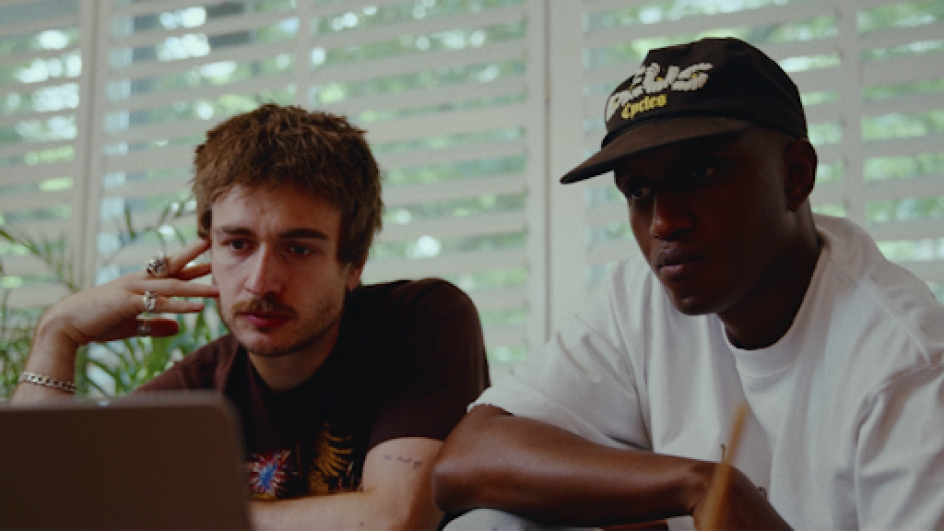
As time goes on, it becomes increasingly clear to us the cost of saying “yes” too often. Not recklessly, but cleverly, and often for understandable reasons.
When you build a studio, there’s a time when coordination and survival don’t always overlap. You say “yes” because the work is rewarding, because motivation is important, and because you feel responsible for keeping things moving. You say yes to projects that are adjacent rather than truly aligned; work that drains attention, energy, or belief; motivation for the sake of motivation. None of this is wrong in isolation, but over time it starts to blur the edges of the work you actually care about, and why you started in the first place.
Creative confidence doesn’t disappear overnight. It slips away when you spend too much attention on performing, transforming, producing instead of building and connecting. At the same time, we are seeing familiar patterns across the industry. Content for content’s sake, a campaign without substance, the feeling that if you just do more, something will eventually break through (although it rarely does).
The audience is not short of information, but impatient. They can spot the noise quickly and move on quickly. This realization forces us to pause and reset.
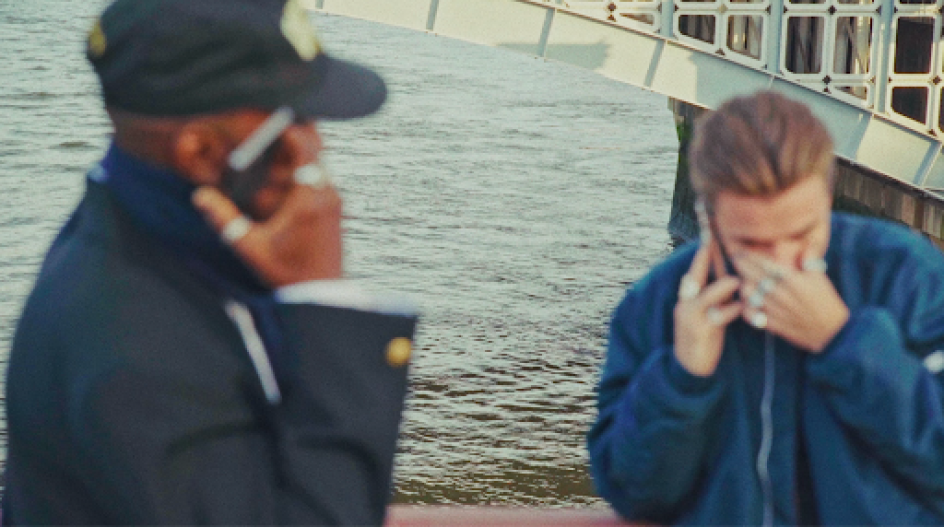
Instead of doubling down on outputs, we doubled down on relationships. We spent more time in the room, in conversations, and in places where presence was required rather than just performance. From London to New York, we show up to listen, learn and reconnect with why we do the work we do. Of course, none of this is free. It requires time, resources, and a willingness to invest without an immediate return, but it’s more important than any campaign or content we produce because it reorients human-centered work.
We also began to protect the work more deliberately. Publish cultural insights not to chase relevance, but to illuminate what we really see and care about. Share more real stories behind building a studio, including the uncertainty, tension, and long conversations that influenced behind-the-scenes decisions.
Not only does it help us stay honest with ourselves, but it also slowly inspires rewards. Not necessarily through big wins, but through coordination. Confidence comes as the work begins to feel real again thanks to a change of pace and a clearer sense of purpose. This is where I am now, entering 2026 with less noise, clearer goals, and more confidence that the work is progressing.
What last season reminded me is that falling back in love with your creative work doesn’t always require a dramatic reinvention. Sometimes it takes restraint and the courage to say no. It requires discipline, choosing depth over noise, and having the humility to admit when something no longer fits.
Especially for small studios and freelancers, resilience is often more important than visible success. To be able to move forward without freezing, to remain curious without becoming cynical. You always need to protect your relationship with the work itself, not just the results it produces.
As we move forward, I become less interested in chasing certainty and more committed to preserving meaning. It doesn’t come naturally, and it’s not something you decide on once. It requires choosing a sustainable pace, prioritizing relationships, and being more thoughtful about the work we do. Choose projects that require us to be creative, not just commercial. Let the work earn its place rather than fill a space, even if the pressure to do other things remains very real.
The old formula is getting out of hand. You can choose to see it as an invitation to build more intentionally, create with care, and remember that creativity, like any relationship worth maintaining, requires attention, honesty, and time.