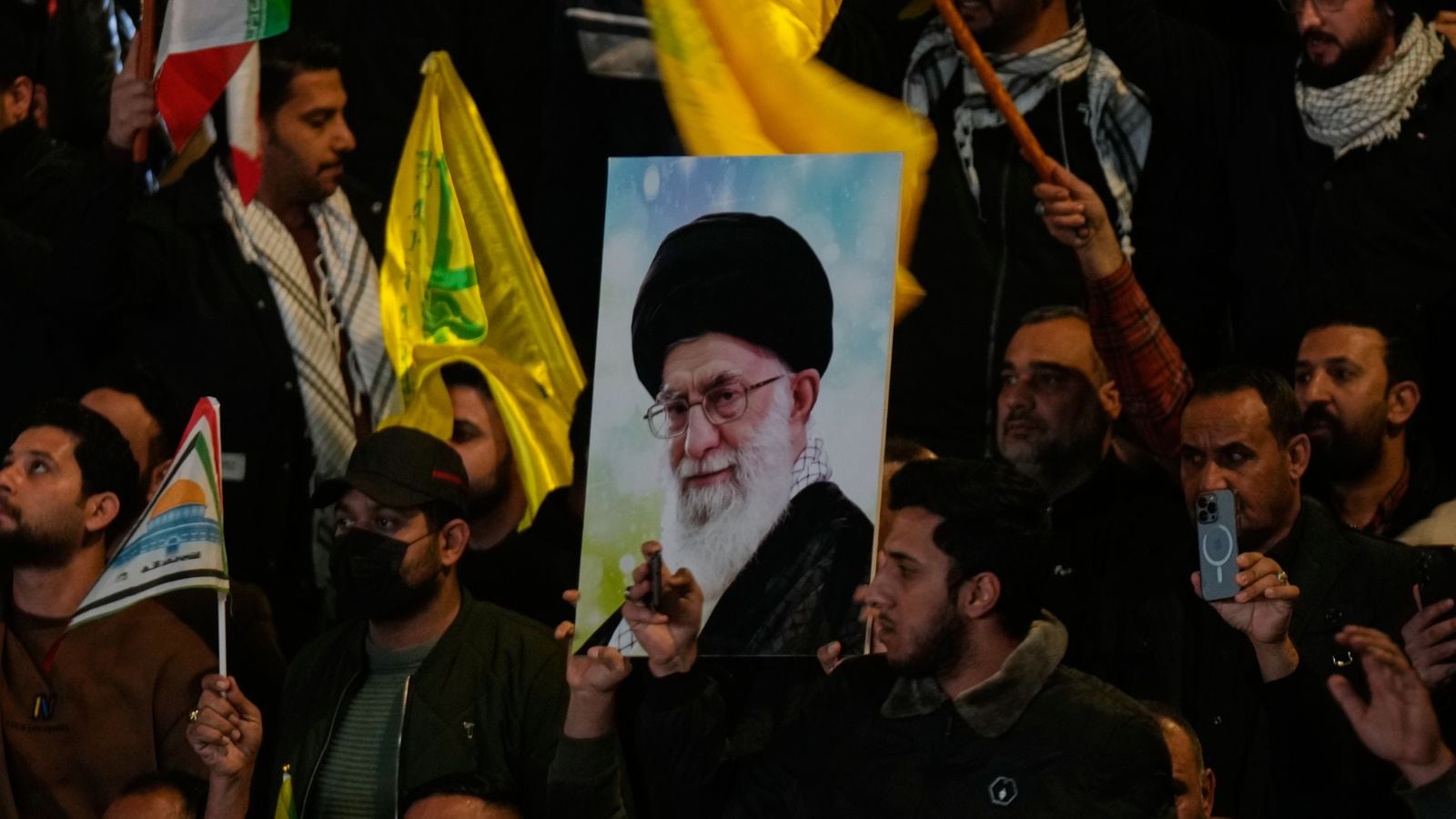
 Iraqi Shiites hold photographs of Iranian Supreme Leader Ayatollah Ali Khamenei, killed in a US airstrike in Tehran, during a symbolic funeral in Baghdad, Iraq. (Photo: AP)
 Iran-US War Day 8: The war between Israel, the United States and Iran has entered its eighth day, with attacks ongoing across Iran and retaliatory missile and drone strikes spreading across the Middle East. The situation remains volatile, with reports of intense Israeli airstrikes in Iran and Lebanon, and Iran launching new retaliatory strikes.
The conflict has caused significant casualties: more than 1,230 people died in Iran, 217 in Lebanon and 11 in Israel, in addition to six American soldiers.

The conflict began on February 28 with a major US-Israeli air operation targeting Iranian leadership and military infrastructure. Iranian authorities confirmed that Supreme Leader Ali Khamenei and several senior military officers were killed in the initial attacks in Tehran, a development that dramatically escalated tensions.
Since then, both sides have launched repeated attacks, while regional powers and global governments have begun to align with one side or call for restraint.
What started the war?
On February 28, Israeli aircraft, with US support, carried out coordinated attacks against Iranian command centers, missile facilities, and senior leadership positions. The attacks killed several senior officials, including military commanders and security advisers, according to Iranian state media and international reports.
Story continues below this ad.
Washington and Tel Aviv say the campaign is aimed at crippling Iran’s military and missile capabilities. Iran says the attacks constitute an illegal attempt at regime change and has promised retaliation.
Day by day: Eight days of conflict
- Day 1 – February 28
- The United States and Israel launch a coordinated air campaign throughout Iran. Supreme Leader Ali Khamenei and several top commanders are killed in attacks in Tehran. Iran declares the attacks an act of war and begins to prepare retaliation.
- Day 2 – March 1
- Iran fires missiles and drones toward Israel and US military sites in the region. Israeli air defense systems intercept many of the incoming projectiles as sirens sound in several cities, including Tel Aviv.
- Day 3 – March 2
- US expands role: US Central Command announces strikes on missile launchers, warships and drone bases inside Iran.
- Day 4 – March 3
- Iran expands its response and targets US military assets in the Gulf region. Missile and drone alerts are reported near bases in Qatar, Bahrain and Kuwait.
- Day 5 – March 4
- Regional air defenses are activated across the Gulf as Iranian drones and missiles are intercepted. Several governments begin to evacuate citizens and restrict flights.
- Day 6 – March 5
- Israel says it has carried out hundreds of strikes against Iranian missile sites and air defense systems, claiming significant damage to Iran’s military infrastructure.
- Day 7 – March 6
- Iran launches another wave of missile and drone attacks as Israeli operations expand to targets linked to Iran’s regional allies.
- Day 8 – March 7
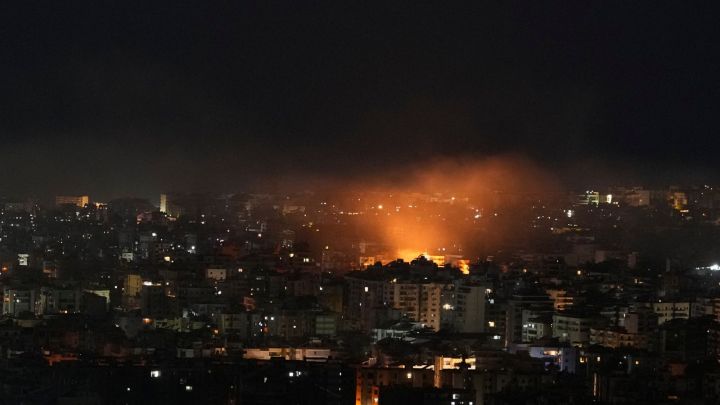
- Attacks continue in Iran and Lebanon, with explosions reported at airports and military sites in Tehran and large explosions in Beirut.
Damaged:
1,332 civilians killed in Iran
More than 200 dead in Lebanon
11 dead in Israel
6 US soldiers died
- Hezbollah joins the conflict: it fires on northern Israel, leading Israel to expand attacks on Lebanon
- Humanitarian crisis: 330,000 people forcibly displaced across the Middle East
Who supports who?
Support for the campaign between the United States and Israel
- The United States and Israel lead the military operation. Several Western countries have provided political or defensive support.
- The United Kingdom and France have moved naval and air defense assets to the eastern Mediterranean to protect regional interests.
- Germany has supported efforts to limit Iran’s nuclear and missile capabilities while calling for a diplomatic solution.
- Some Gulf states have activated air defenses and allowed US military operations from bases on their territory.
International response:
- The United Kingdom, France and Spain provide military support to the allies.
- The US Congress supports Trump’s military campaign against Iran.
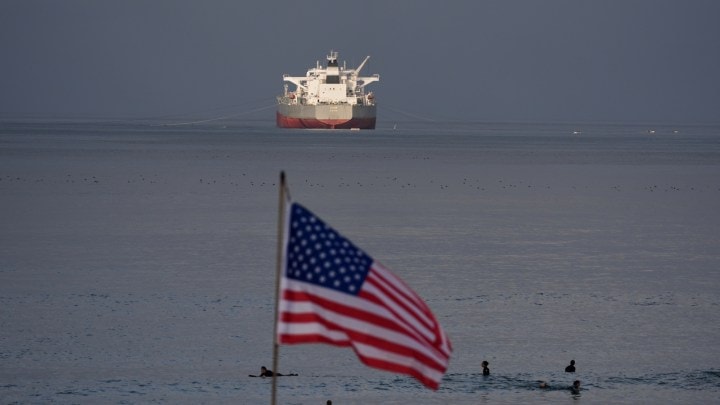
- Economic impact: Oil prices rise due to disruptions in the Strait of Hormuz, affecting 20% of the world’s oil supply.
- Regional climbing: Iran targets US military bases in Gulf countries including Bahrain, Kuwait, Qatar, Saudi Arabia and the United Arab Emirates.
Support Iran or oppose the campaign
Iran has received diplomatic and intelligence support from several partners. Russia is reportedly sharing intelligence on US military positions in the Middle East, according to media reports.
Story continues below this ad.
Iran’s regional network, often called the “axis of resistance,” includes armed groups and allied governments across the Middle East.
Iran has also threatened retaliation against any country that joins the US and Israeli attacks.
Political reactions
US President Donald Trump has taken a hard line on the conflict. In media interviews and on social media, he said Iran must accept “unconditional surrender” before negotiations can take place.
European governments remain divided over whether to get directly involved in the fighting, while many countries have called for a de-escalation.
Story continues below this ad.
With attacks continuing and multiple countries affected, analysts warn that the war could expand further if more regional powers join the conflict.