It’s an interesting paradox: the US economy just took a one-two punch of stubborn inflation and weakening growth, and Bitcoin’s response was… a 3% rally. Either crypto has developed immunity to macroeconomic gravity or the market is pricing in something that the headlines have yet to capture.
The Fed’s preferred inflation gauge – the core index of Personal Consumption Expenditures (PCE) – came in at 3.1%, which was in line with expectations, but does absolutely nothing to suggest a rate cut is imminent. Meanwhile, GDP growth eased to 0.7% and real consumer spending fell sharply. In English: prices are still rising very fast, but the economy is losing steam. That’s the definition of stagflation, and it’s a word no one in Washington wants to say out loud.
Numbers that matter
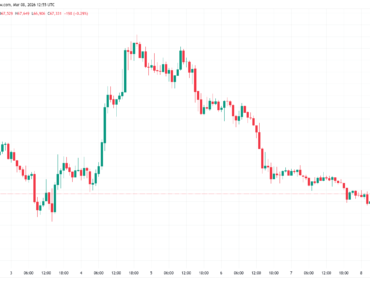
Bitcoin is about $72k, up 3.1% over the past 24 hours and up 3.5% for the week. It’s a quietly confident performance for an asset that seems to be dancing to the tune of the Fed.
Ethereum wasn’t far behind, gaining 3.9% on the day to top $2,100. Solana posted the strongest move among the major tokens, rising 4.7% to around $90.
But here’s the thing – the vibes don’t quite match the price action. The Crypto Fear & Greed Index is at 15, deep in “Extreme Fear” territory. Last week it was 18, which was also Fear Too Much. So we see prices rising while sentiment remains flat. It is important to pay attention to this separation.
For context, the Fear and Greed reading is one of the 15 types of numbers you usually see during bearish events or before a major shift. The last time this index was this low, while Bitcoin was simultaneously posting daily green candles… was unusual, to say the least. This shows that retail investors are nervous, but someone – institutional flows, algorithmic strategies or long-term accumulators – is regularly buying fear.
Why didn’t crypto take off?
The core PCE reading of 3.1% was exactly what economists had expected. No surprise, no shock. Markets had already digested the possibility of inflation remaining sticky, and the unprecedented lack of upside meant there was no fresh reason to sell risk assets.
The GDP revision to 0.7% is probably the most interesting data point. A significant slowdown in growth — already modest by previous estimates — tends to drag the stock and crypto markets along. But there is a counterintuitive logic here.
Weaker growth actually increases pressure on the Fed to cut rates, even if inflation hasn’t fully cooperated. The market is essentially playing a game of chicken with the central bank: the worse the economy, the looser monetary policy and the more attractive riskier assets become. Bitcoin has been playing this playbook for months.
It is also worth noting that Bitcoin will become more decorated than traditional risk assets in 2024. The narrative has shifted from “crypto is a tech bet” to something closer to “digital gold with better upside.” Whether this narrative holds through to a real recession is an open question, but for now, it’s under-priced.
What investors should really be watching
Stagflation is real and it creates a really difficult environment for every asset class. Stocks don’t like rising prices. Bonds also do not like price increases. Gold is doing well in this environment, and Bitcoin is increasingly trading like a proxy for gold – albeit much more volatile.
A strong fear-mongering reading in the sentiment index, combined with positive price action, historically leads to one of two outcomes. Either sentiment hits price and we get a broader rally, or price hits sentiment and the floor goes down. When the gap between emotion and reality is so wide, there isn’t much middle ground.
For a specific crypto image, few things are more important than today’s PCE print. Hitting half of the Bitcoin supply is still working its way through the system. Spot Bitcoin ETF flows, which were the dominant price driver in 2024, remain the most important variable to track. And Solana’s 4.7% daily pop – dominating both BTC and ETH – shows that risk appetite hasn’t disappeared in crypto, it’s just selective.
One category worth noting from the broader market data: Binance Wallet IDO tokens are up more than 80% in a week, a reminder that speculative capital in crypto does not disappear during a downturn. It just migrates to wherever the edge of the perceived future is.
The real test will come if GDP continues to deteriorate while inflation remains flat. This scenario forces the Fed to make an impossible choice – fight inflation with tighter policy and risk a deeper recession or cut rates to support growth and risk rekindling prices. Bitcoin bulls believe that either way will eventually lead to more liquidity in the system. They may be right, but the road between here and there can be bumpy.
Bottom line: Bitcoin has absorbed toxic macro printing without blinking, and this resilience shows. But with the fear-greed index at 15 and the risk of stagflation rising, it looks less like quiet confidence and more like a deep breath before something bigger – one way or the other.