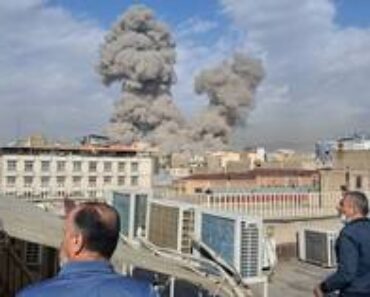
Bangladesh relies on imports for 95 percent of its energy needs, disrupted after the Iran war engulfed the Middle East.
Published on 9 March 2026
Bangladesh has closed universities and instituted fuel rationing amid a worsening fuel crisis linked to conflict in the Middle East.
Authorities have closed all public and private universities across the country since Monday, bringing forward the Eid al-Fitr holidays as part of emergency measures to conserve power and energy.
Recommended stories
List of 4 itemsEnd of list
The move will not only reduce power consumption but also reduce traffic congestion, leading to wastage of fuel, officials said.
University campuses use large amounts of electricity for residence halls, classrooms, laboratories and air-conditioning, and the early shutdown will help ease the strain on the country’s stressed power system, he said.
“Considering the current global situation, a decision has been taken to reduce electricity and energy consumption,” Bangladesh’s Ministry of Education said in a directive sent to university authorities.
Government and private schools have already closed for the Islamic holy month of Ramadan, meaning most educational institutions across the country will remain closed during the period.
Bangladesh, which depends on imports for 95 percent of its energy needs, imposed daily limits on fuel sales on Friday after panic buying and hoarding.
As part of wider austerity measures, the government has asked all foreign-curriculum schools and private coaching centers to suspend operations during this period to limit power consumption.
Along with the closures, the government has issued guidelines encouraging institutions and offices to use electricity more efficiently, including increasing natural daylight and reducing unnecessary lighting and electricity consumption.
The moves come as Bangladesh faces increasing uncertainty over energy and gas supplies following disruptions to global energy markets caused by the United States-Israel war over Iran.
The war has caused widespread conflict in the Middle East, severely disrupting oil and gas exports and driving up costs.

Severe gas shortages have already forced Bangladesh to halt operations at four of its five state-run fertilizer factories, redirecting available gas to power plants to avoid widespread shutdowns.
The country of 170 million people – the world’s eighth most populous – has bought LNG at sharply higher prices from the spot market as it looks for extra cargo to bridge the supply gap.
“We are doing everything to reduce consumption and ensure stability in power, energy and import supplies,” said a senior official of the Ministry of Power, Energy and Mineral Resources.
Energy analysts say such measures could provide short-term relief for the power sector while authorities work to stabilize energy imports and manage distribution. However, he warned that prolonged disruptions to the academic calendar could create challenges for students if the energy crisis persists.
Although institutions are expected to resume normal academic schedules after the Eid holidays if the energy situation improves, officials have not indicated how long the shutdown will last.