Financial abuse by a partner contributes to one death by homicide or suicide every 19 days, a charity has found.
Surviving Economic Abuse (Sea) said economic abuse by an intimate partner was a factor in more than half of domestic abuse-related deaths, but was often misunderstood or overlooked.
The charity analyzed 454 domestic homicide reviews (DHRs), carried out when a person dies by homicide or suicide as a result of domestic abuse, between 2012 and 2024.
In 231 DHR, since reviews of domestic abuse-related deaths were renamed, the victim had experienced economic abuse from a current or former partner, the equivalent of a victim of economic abuse dying from homicide or suicide every 19 days.
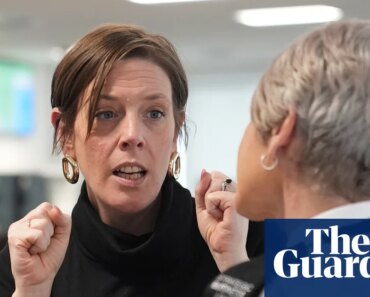
Sam Smethers, chief executive of Sea, said: “We think the prevalence is probably being underestimated because some of these reports haven’t really highlighted economic abuse. But even so, more than half of these cases show that economic abuse was prevalent alongside other forms of abuse, and how serious it is.”
“We also know that economic abuse is really what prevents victims from escaping a dangerous situation, so it’s really what keeps them tied to an abuser. And that’s why it’s such a dangerous form of abuse, plus it continues long after the victim has escaped from the perpetrator.”
The charity’s report, Hidden risk, fatal consequences: economic abuse in domestic homicide reviews, found that agencies often missed opportunities to detect risks related to economic abuse. The perpetrators used various ways to financially control their partners, such as limiting their access to money or forcing them into debt.
Sea found that less than half of the panels investigating domestic homicides had themselves acknowledged economic abuse.
Smethers said: “I think that’s worrying for us because it’s the sign that there’s actually a lot more work to be done to ensure that economic abuse is identified, that people understand what it is, they can spot the signs and then they can also potentially intervene to disrupt the abuse and support the surviving victims.”
Anna* and her children have not had a stable home since 2008 as a result of her ex-partner’s abuse. “We are currently homeless,” he said. “There is no chance of us finding a place to live.”
Her ex-partner stole all her money, sold her belongings, prevented her from working, claimed all the benefits the family was entitled to and made malicious allegations about her to HMRC.
“I didn’t have access to money for food for myself and the children,” said Anna, who was forced to rely on handouts. “They bought the best of everything and what they gave us was of very poor quality. We basically ate eggs, and I still do, that’s something that has stuck with me.“
Although she has now escaped the relationship, the abuse has had long-lasting and far-reaching financial implications.
“By controlling yourself financially and economically, you will never be able to escape, it is endless,” he said. “For me it will never end, because they are very deliberate actions that abusers take.”
Sea made a number of recommendations following the report, including integrating economic abuse into the government’s new guidance on best practice for domestic abuse risk management and training professionals and chairs of domestic homicide reviews to recognize economic abuse.
Smethers said: “We really need to take a coherent and scaled approach to tackling this problem because it is a very serious crime. There are 4.2 million women who suffer from it every year, and in this report we see how serious it is.”
Anna said she was “not at all surprised” by the report’s findings because she had previously considered taking her own life. She said the abuse was often harder to deal with because “many women “I don’t want to talk about it because I’m ashamed.”
Frank Mullane, chief executive of Advocacy After Fatal Domestic Abuse, said the report “reveals important gaps in professionals’ knowledge about economic abuse”. When her sister was murdered more than 20 years ago by her husband, she had suffered financial abuse.
Mullane said: “We didn’t have the language to name it, nor a shared understanding of its impact. Ignorance allows abuses to flourish, and I hope that professionals will use the recommendations to ensure greater recognition of economic abuse and better practice.”
*Anna’s name has been changed.