As humans, why are we attracted to collecting things? In fact, there are many reasons. It could be the thrill of the hunt—that feeling of diving into a pile of bargains and finding that rare souvenir you’ve been wanting to add to your collection for years. It could also be nostalgia, when an object triggers a memory from the past; a way to embody your passion and personality; a way to develop creative stability and structure; or a way to connect with others who share the same passion.
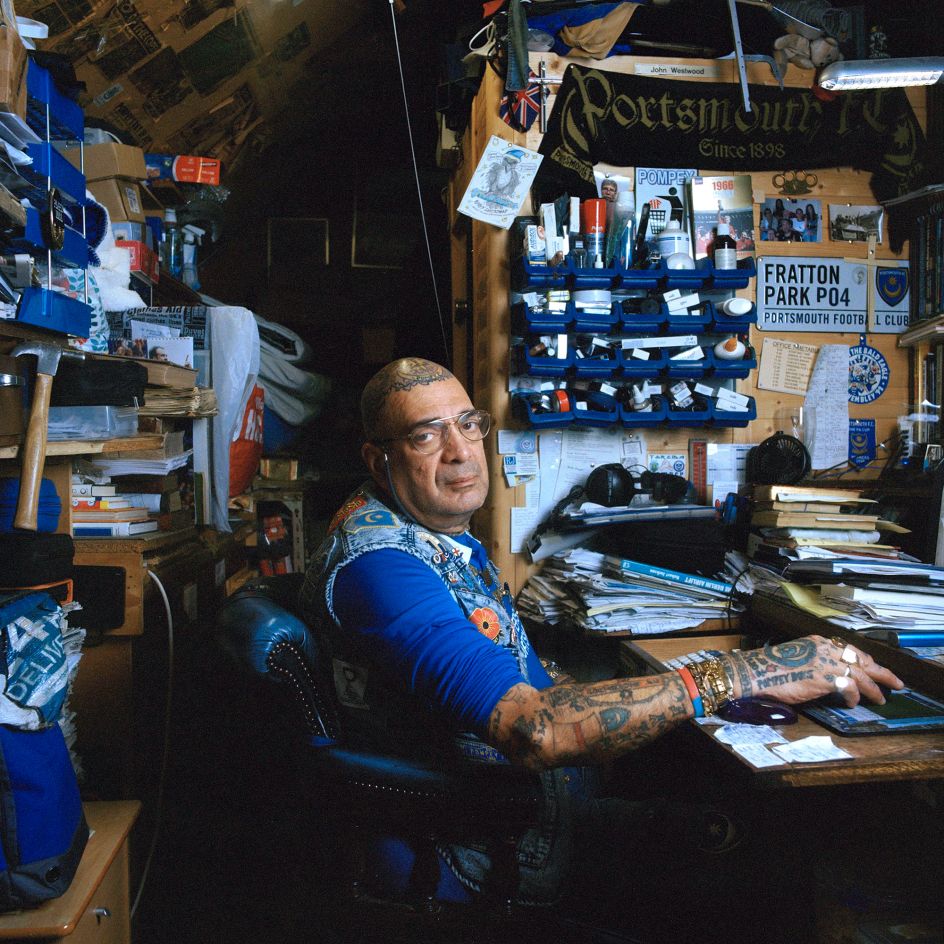
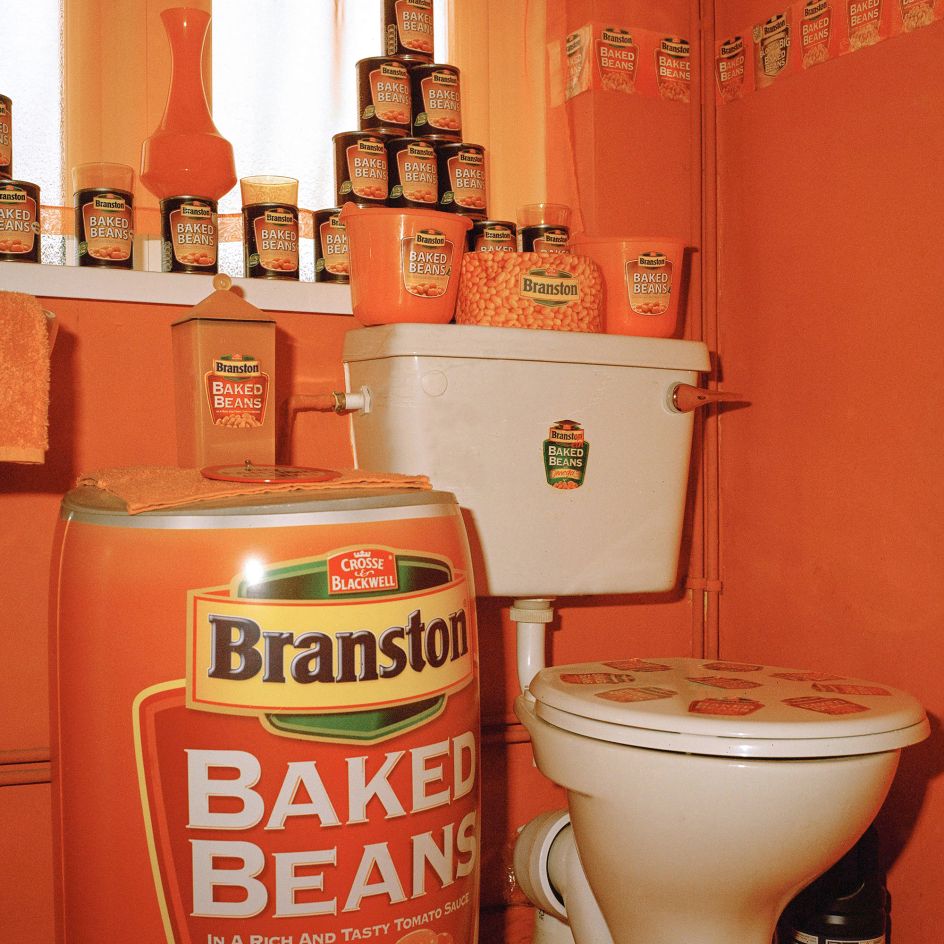
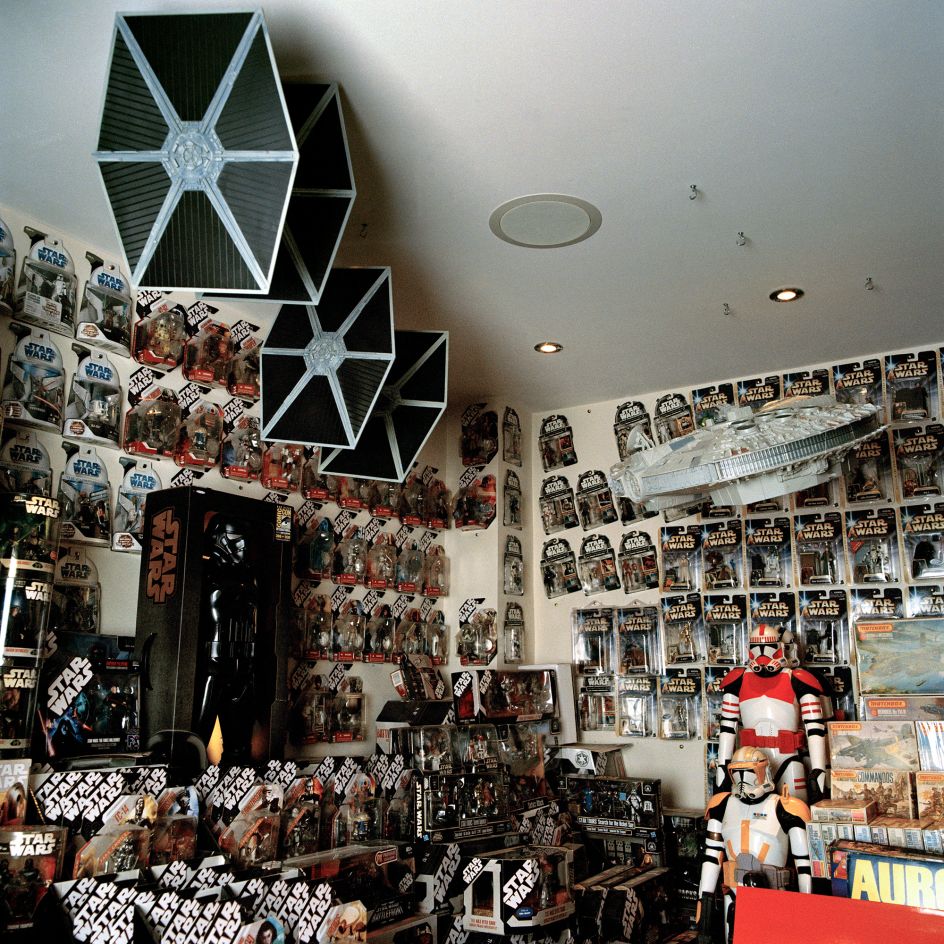
The idea of collecting, and all the niche antics we humans do, is at the heart of Callum O’Keefe’s photography. Across his portfolio you’ll find an in-depth look at collectors and their relationships with their possessions, painted in flashlight portraits and detailed snapshots of numerous objects.
You’ll find participants in the Welsh Ferret Club, a community that meets every spring and autumn to share their love of ferrets in a bid to win rosettes – and of course, the ferrets come along with them in the hope of winning the prize. There’s also the World Bog Snorkeling Championships, an event that brings together people in fancy dress with the aim of snorkeling 60 yards of peat bog at Llanwrtyd Wells, South Wales. This scene happens every August on a weekend and it’s very joyful.
Callum has always been interested in the world around him. He grew up in Merthyr Tydfil, a once prosperous industrial town in the Welsh valleys. When he was young, he felt bored and preferred the hustle and bustle of the city.
But over time, he came to appreciate its beauty. Although he had not picked up a camera before, with the encouragement of his mentor, he decided to study photography in college. It was here that he discovered his visual language and voice as an image-maker – “I really found a love and passion for this amazing medium that allows us to record the world as we see it.”
The language became a study of the community around him, which he said was a “dream scenario” for “nosy people.” He is interested in people and their stories, in how communities bring people together from all walks of life, and, more importantly, in how such activities can benefit physical and mental health.
“Whether that’s more traditional, like location, connection or passion, I find there are communities across the country that come together because of their passion and quirks,” he explains. “I’ve found that if you show interest in other people’s interests, you can talk for hours and find a lot of topics and themes that you often overlook. That’s what I find so fascinating about documenting people and niche communities.”
Below, we hear from Callum about his latest project, Future Antiques, how he found these niche communities, and the many interesting stories he hears about why people do what they do.
Future Antiques began as an attempt to understand your father’s collecting obsession. How did this personal beginning evolve into the broader project we see now?
My father was a collector of everything from Coca-Cola and Treitikoff paintings to everything from the 1980s. He had a shed at the bottom of his garden and it was full of wonders. I loved it as a kid and never really gave it much thought. This is so normal, I thought everyone had a shed full of collectibles at the bottom of their garden.
It wasn’t until his death in 2017 that I really started thinking about his collection, or why he felt the need to collect it. My brother and I still have thousands of things to deal with. I thought about this for a few years, wondering why he collected and how it helped him. This project started as one of my last major projects in college and I eventually decided to chat with other collectors to see what they got out of it and if I could relate it to my dad and understand his reasoning.
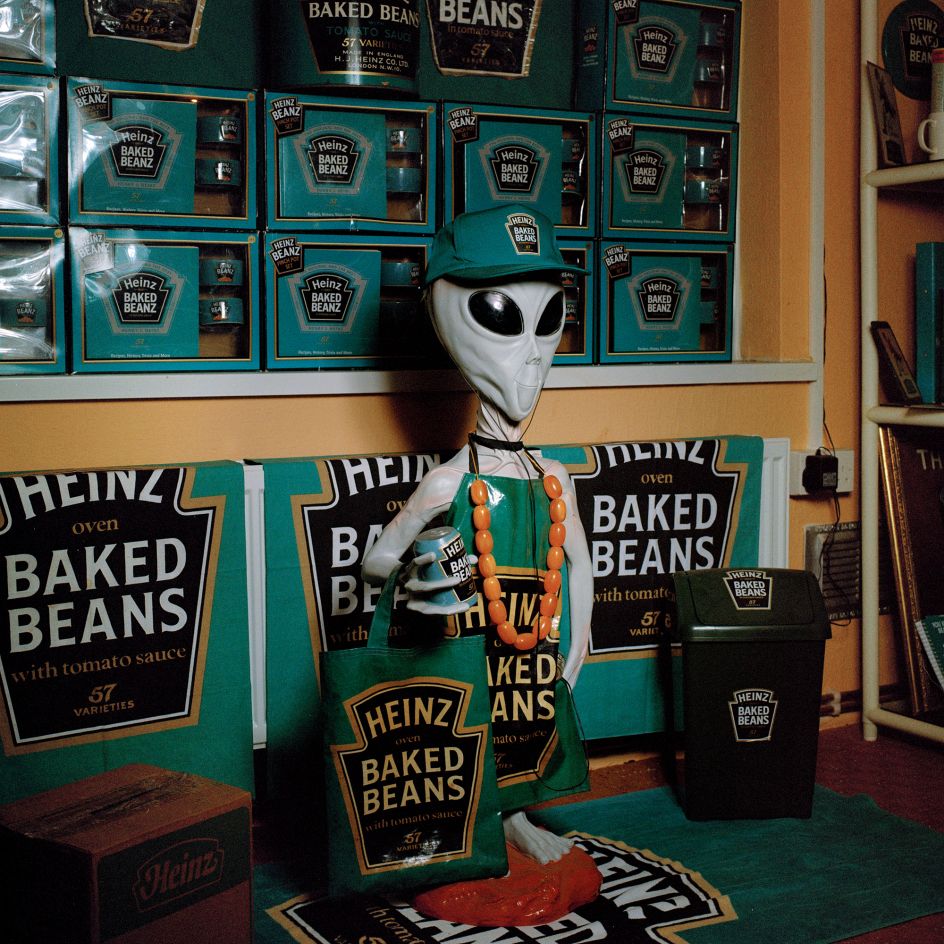
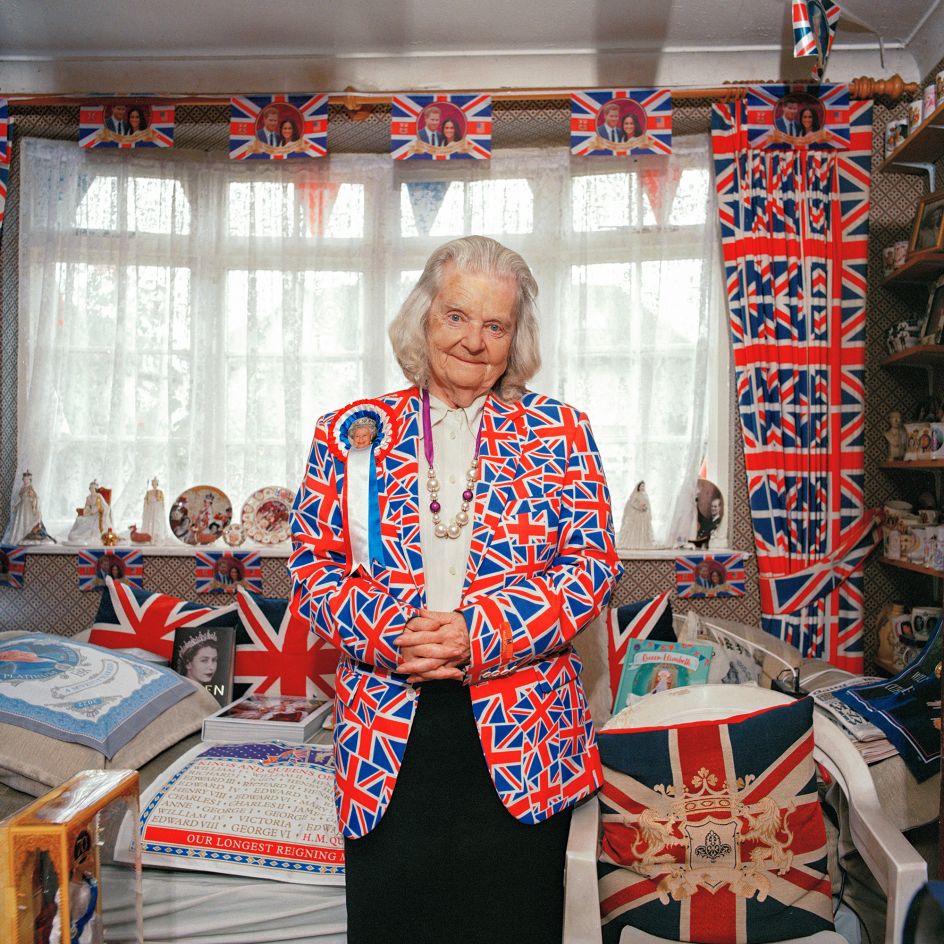
I always knew I wanted to take a very broad approach to this project and not fall into any of the misconceptions collectors often share. I find that they are often misunderstood by the media. I didn’t want this to take away from the project at all, but wanted to take a non-judgmental approach to see how they engaged with it and how it helped them cope with the stresses of everyday life.
How do you find and connect with the collectors you photograph? What does it look like to build trust in these spaces that are often so private and intimate?
Collectors are found in every corner of the internet; one of the best things that the internet has brought about is the gathering of like-minded people to share their passions and interests. Getting involved in these communities is one of the main ways I find a lot of collectors. Others have previously photographed for various publications and online features.
Once I found these people, I needed to find their contact information and make contact. I never have a specific aesthetic in mind when looking for collectors. What’s more important is the people.
There is a strong personal connection with collectors growing up, and telling this story to subjects often leads to them lowering their guard and becoming genuinely interested in what they collect and why they do it. Of course it takes time, I could spend hours with each collector and taking pictures is the last thing I do. Much of the time was spent chatting with them over tea and learning more about their collections, what they do and how they maintain, record and catalog them.
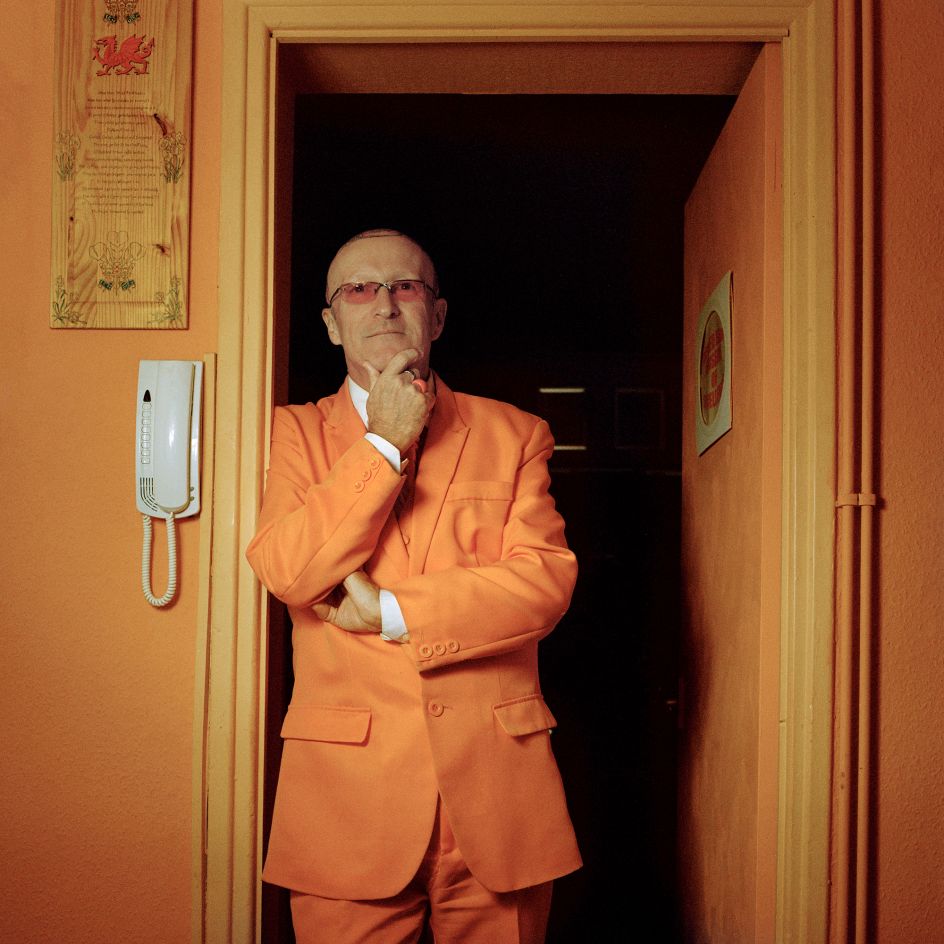
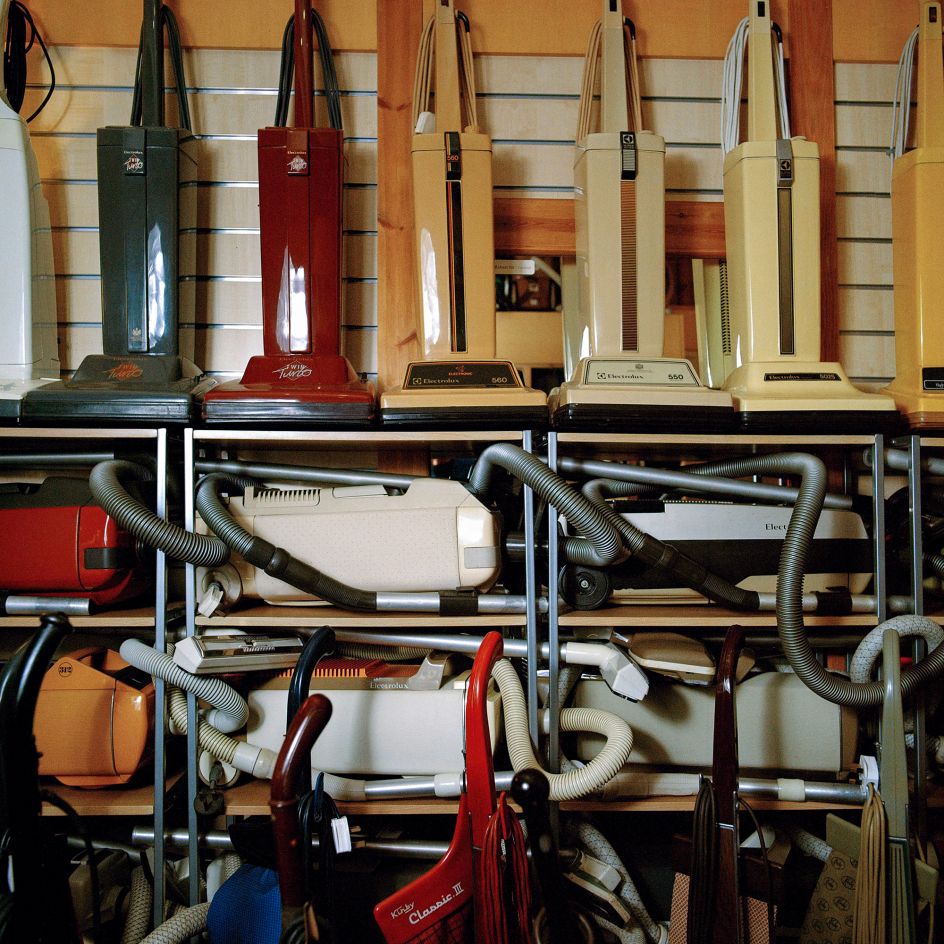
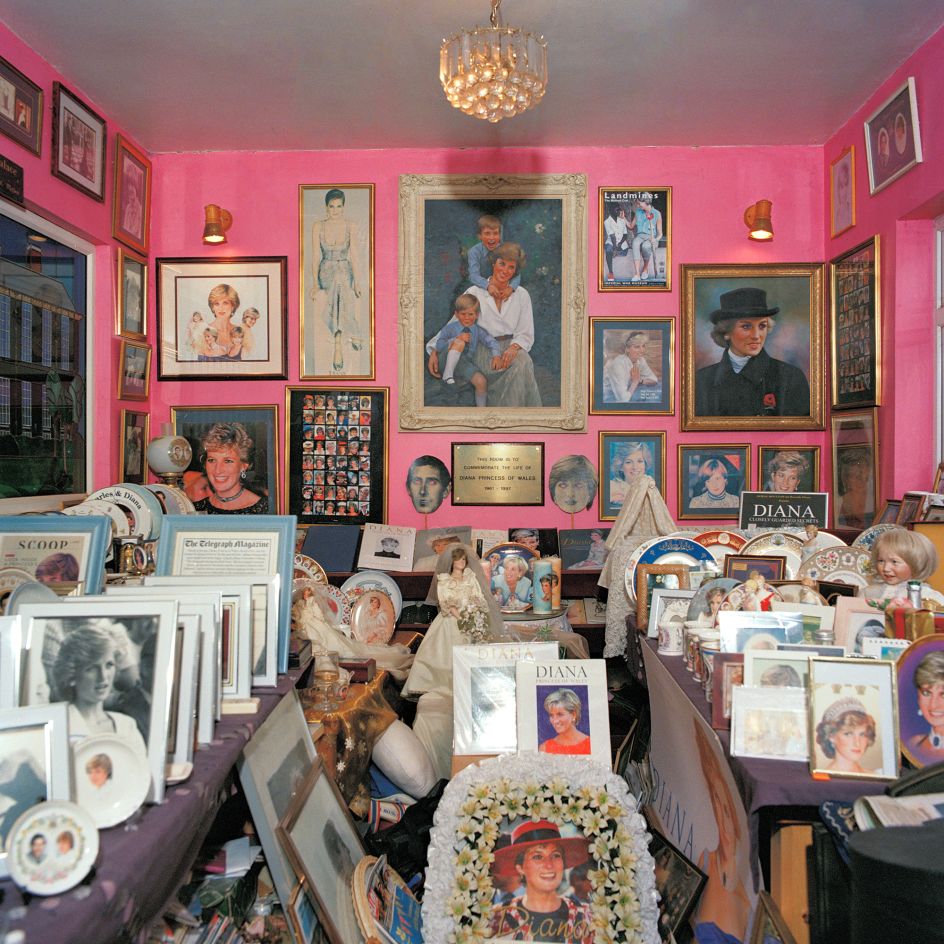
My favorite moments are when I realize I’ve cracked them – most of the previous conversations may have been mundane and polite, but among all the collectors I’ve photographed, there’s always that moment when their eyes are shiny and guarded, and they show their vulnerability as they talk about their collections and their origins. I then spend time photographing the collection and finally the portrait, which often feels vulnerable and honest when I feel the subject has earned my trust and is most willing to sit down for a portrait.
Were there any moments or encounters during this project that radically changed your assumptions about the people you were collecting or documenting?
Yes, there were a lot of revelations throughout the project, mainly in looking at the physiological reasoning behind collecting and how people use collections in their lives, which I related to my father and which came up again and again when talking to collectors. It wasn’t one person’s thing, but in all of them, I saw the passion in their eyes, and when they finally revealed the counterpoint to their series and where it all started, it was an aha moment. In those moments I saw my father in them.
What did you learn about why we collect—emotionally, psychologically, even culturally—by creating this work?
This is a very interesting point and one I spent a lot of time thinking about. Everyone in society collects something, even if they don’t think they do. Whether it’s shopping bags, trading cards, refrigerator magnets, Tupperware, or anything else. I found that the kind of compulsive collecting that I began documenting was often related to childhood trauma. It’s a reaction to create a safe place around them, often acting as a gateway to nostalgia.
So, in 2007, my dad sold most of his Coca-Cola collection and started collecting toys and other items from his childhood. After some research, I discovered that most of his collection was from when his father was still alive, so he used it as a coping mechanism for his father’s death, as a time capsule back to what was probably the happiest time of his life. This trend appears again and again throughout the project, connecting people’s collections with memories of happier times.
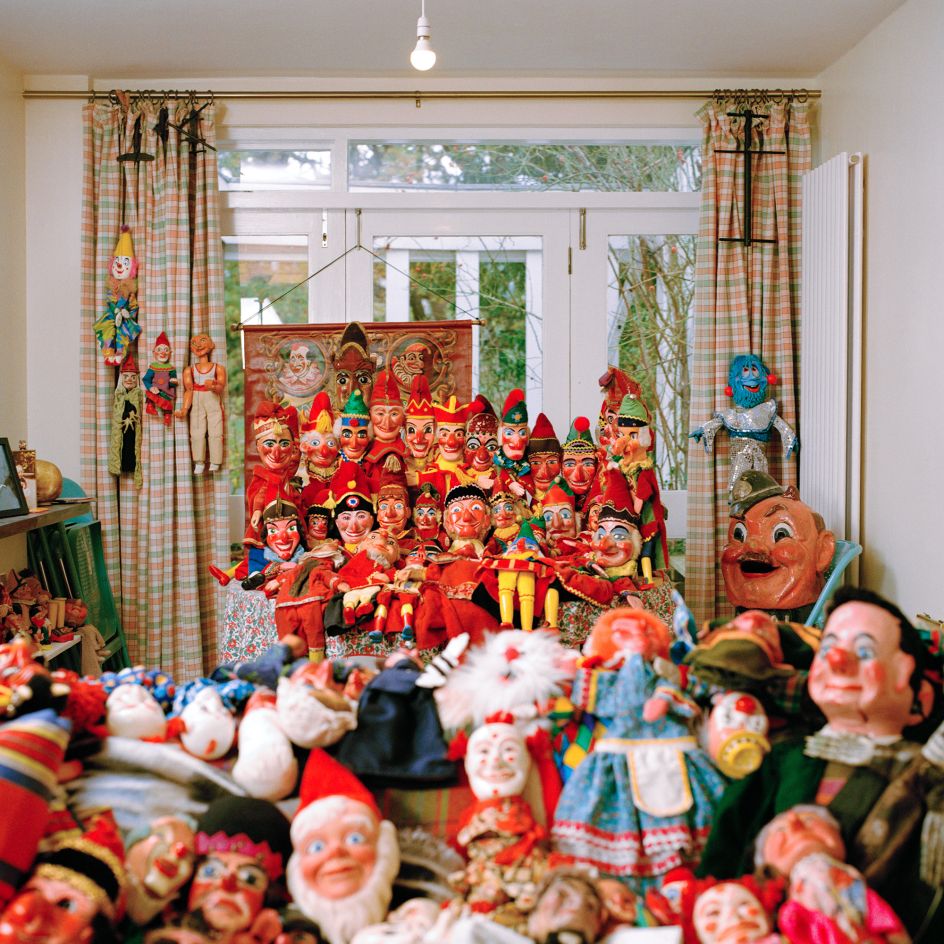
Tracy has the largest collection of Harry Potter memorabilia, she is a widow and the last thing her late husband bought her was a Harry Potter book, so her collection is her way of getting closer to her husband. David Wilde is a London-based puppeteer and Punch and Judy collector. He has a very close relationship with his grandfather, who continues to encourage his enthusiasm and help him find puppets, which makes their relationship even closer.

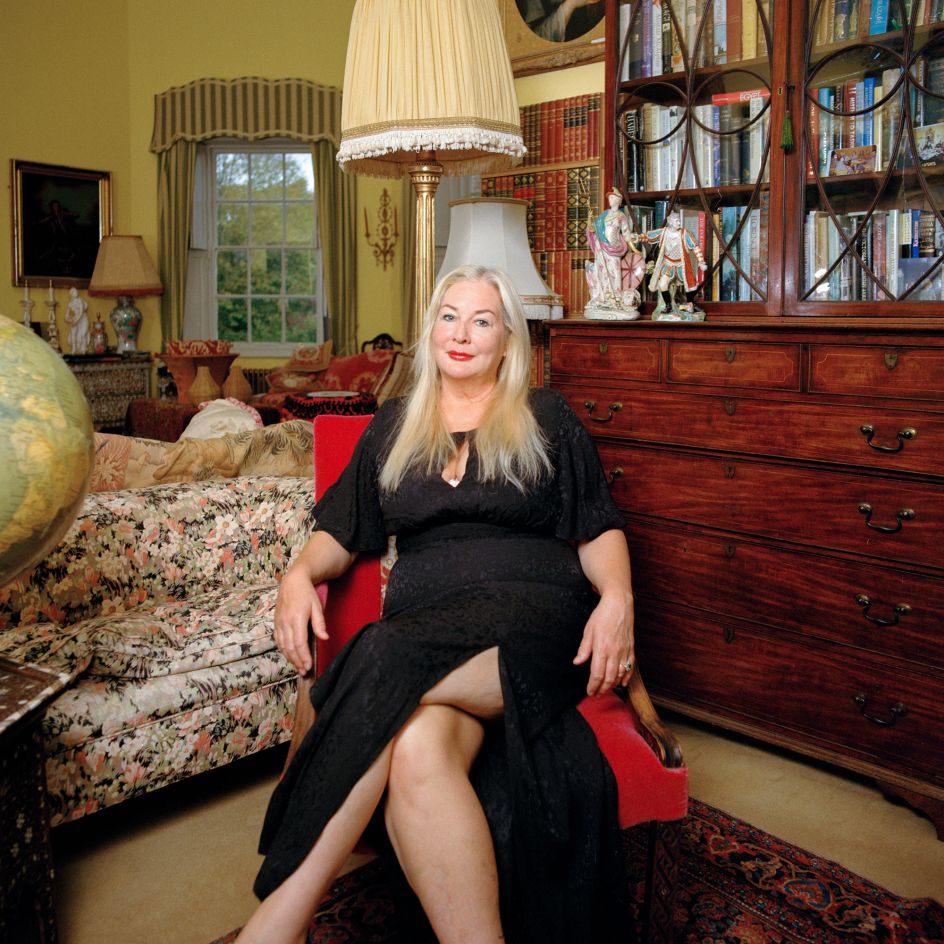
He has since collected more than 1,000 puppets and lived in his grandfather’s house. Personal collections serve primarily as an escape. As a project with no end in sight, it’s a moving target, something to look forward to, and often their safe space.
What do you hope viewers reflect on when they see this series? Do you want them to raise some questions about their relationship to objects and memory?
I hope people see this subject in a new light and see these people as passionate people like us, just expressing it in a different way. The people I documented collected as a coping mechanism, like many of us, and they went even further in expressing their passions. They get so much joy from whatever they collect and their wealth of knowledge, and I hope the audience can feel that and get some of the same joy from it. We are all surrounded by things; this is the world we live in.
These are people who make their homes a space that they like, and I think that’s really important. While it may not be to everyone’s taste, I think we can all take elements from these collectors to make our lives and families happier and more enjoyable.