The latest round of talks on Tehran’s nuclear program and a possible easing of sanctions concluded in Geneva on Thursday and were described by Iranian officials as “Extremely serious and prolonged” Still. Despite any immediate breakthroughs, the US side is reported to have held talks “Positive.”
Omani Foreign Minister Badr Al-Busaidi, who mediated the discussions, was praised “Remarkable progress” After about six hours of exchange during the morning and evening sessions at his country’s diplomatic residence in Geneva.
Iranian Foreign Minister Abbas Araghchi described the meeting as one of the longest and most intense diplomatic rounds to date. He said the discussions have been reviewed “Essentials of a Potential Agreement” including nuclear sanctions and sanctions relief.
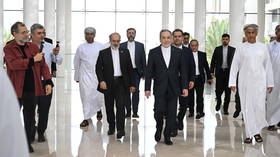
“There has been significant progress on some issues” Although differences remain, Araghi said both sides showed more seriousness than in previous rounds about reaching a negotiated solution.
A senior US official told Axios that the discussions had taken place “positive” US negotiators were initially disappointed by the Iranian stance, but the tone improved during the afternoon sessions earlier in the day, according to the sources.
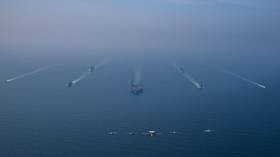
The talks come amid heightened tensions after US President Donald Trump ramped up military deployments across the Middle East, warning that Washington will not allow Iran to acquire a nuclear weapon. US officials have indicated that diplomacy remains the preferred option but have not ruled out military action if talks break down.
Washington reportedly entered the talks with a number of key demands, including the dismantling of key Iranian nuclear facilities, the transfer of enriched uranium stockpiles out of the country and a promise that any future deal would remain permanent.
Tehran has rejected calls to completely abandon uranium enrichment, insisting that its nuclear program is peaceful and constitutes a sovereign right.
Iranian officials instead proposed limiting enrichment to low levels under international supervision, potentially allowing nuclear activity for civilian and medical purposes while addressing Western proliferation concerns.
The Geneva meeting marked the third round of talks in recent weeks and comes amid heightened regional tensions following last year’s US-Israeli attack on Iran’s nuclear sites.
The delegations are expected to return to their capitals for consultations and prepare technical proposals for expert-level talks in Vienna next week, where nuclear experts will try to translate political understandings into a workable framework.
You can share this story on social media: