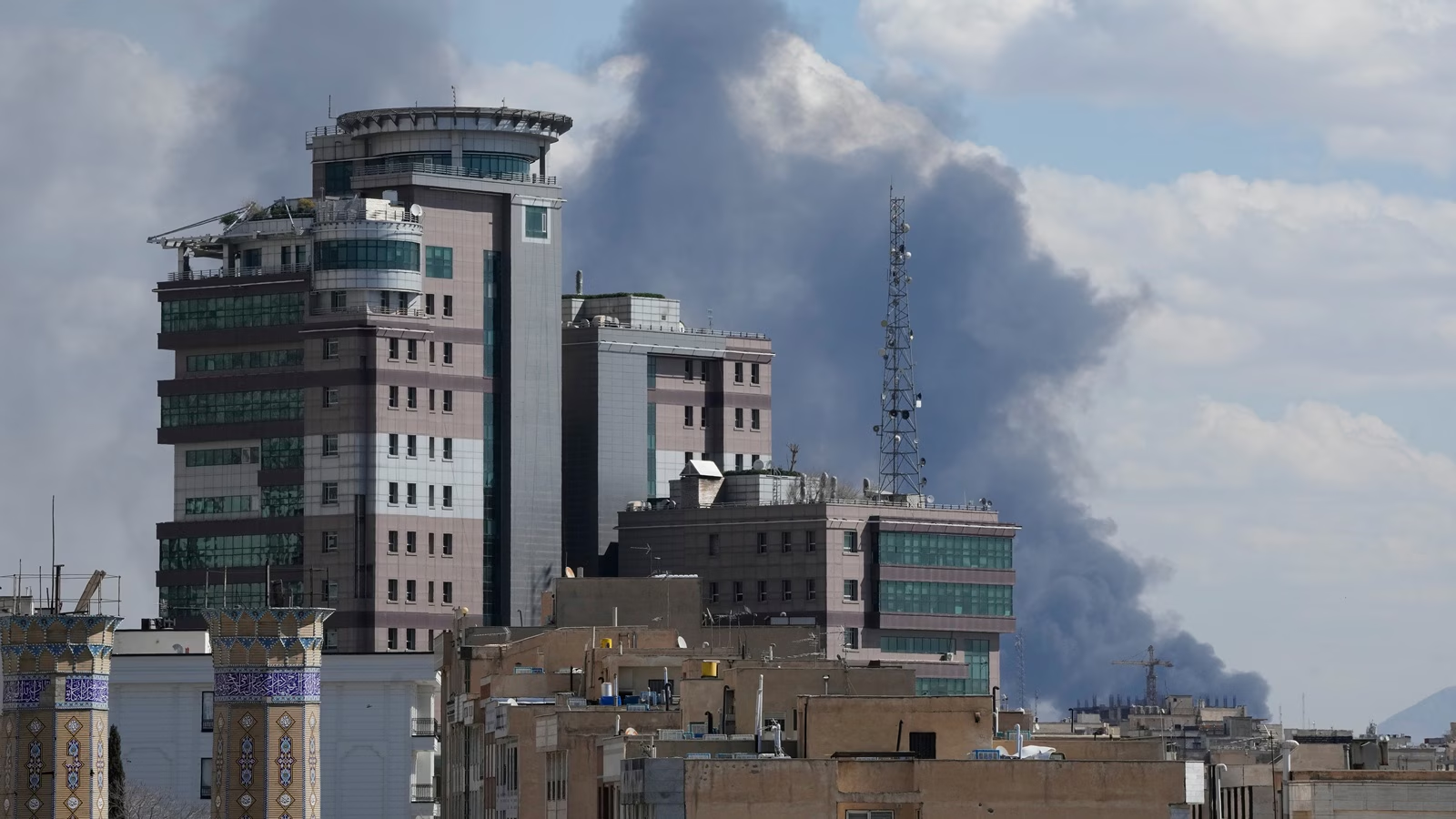
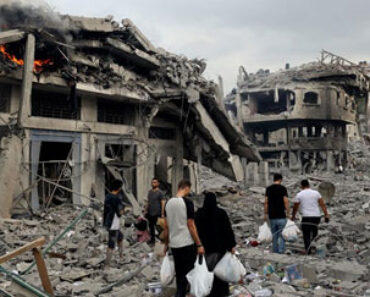
Energy prices rose on Tuesday, causing stocks to fall and the dollar to rise on concerns that the widening war with Iran could cause more sustained damage to the economy than feared.
Global oil prices soared about nine percent and European natural gas prices soared for a second straight day as the war disrupted Middle East exports.
North Sea Brent crude, the international benchmark, exceeded $85 a barrel for the first time since July 2024.
The US and Israeli attacks on the Islamic Republic and their retaliation across the region have disrupted regional energy flows, with the crucial Strait of Hormuz – through which around a fifth of the world’s oil transits – effectively closed.
The war has also fueled fears of a new energy crisis that could trigger inflation.
Read moreLive: Loud explosions heard in Iran’s capital as US and Israel launch new attacks
“Higher energy costs are fueling concerns about inflation, displacing expectations of rate cuts for some and raising the prospects of rate hikes for others, while raising concerns about earnings stemming from higher operating costs and a potential slowdown in consumer spending,” said Briefing.com analyst Patrick O’Hare.
Wall Street’s major indexes opened sharply lower, with the tech-heavy Nasdaq Composite falling two percent.
European markets were hit even harder with losses of three percent or more.
“European markets are being hit hard as the full inflationary impact of the war in Iran really hits home,” said Joshua Mahony, chief market analyst at Scope Markets.
The data showed an unexpected rise in eurozone core inflation, adding to concerns.
Forex.com analyst Fawad Razaqzada said concerns about inflation have diminished the chances of an interest rate cut in the eurozone.
“That’s why we’ve seen a huge drop in the stock markets today, and not even gold has been able to find much love,” he said.
European Central Bank chief economist Philip Lane said in an interview with the Financial Times published on Tuesday that a prolonged conflict in the Middle East and a sustained drop in energy supplies could trigger a “spike” in eurozone inflation and hit regional growth.
LookWhat the war in Iran means for global energy security
Power supply is threatened
New attacks were reported across the Middle East on Tuesday, including an Israeli bombing raid on Lebanon and a drone attack on the US embassy in Riyadh, the capital of Saudi Arabia.
The conflict began with US and Israeli strikes on Iran over the weekend, which prompted Iranian retaliatory attacks and showed no signs of abating as it entered its fourth day.
Iran has launched missiles and drones across the Middle East, including Saudi Arabia, Qatar and Dubai, while explicitly threatening to raise global energy costs.
A general in Iran’s Revolutionary Guard threatened to “burn any ship” that attempted to sail through the Strait of Hormuz.
The Dutch TTF natural gas contract, considered the European benchmark, soared more than 40 percent to more than 60 euros on Tuesday, its highest level since January 2023, in the wake of the price surge caused by the Ukraine war.
European natural gas prices rose 50 percent on Monday after Qatar’s state energy company said it had stopped production of liquefied natural gas due to strikes.
Rising energy costs could cause a headache for most central bankers seeking to reduce inflation while also cutting interest rates to support their economies.
“A rise in energy prices creates a dilemma for central banks,” said Rodrigo Catril of National Australia Bank.
“Stagflation makes central banks very uncomfortable, a longer-lasting energy shock is inflationary and at the same time weakens growth,” he added, referring to an environment of high inflation and low growth.
The dollar, seen as a safer bet in times of economic turmoil, extended its gains against its main rivals.
Asian stocks extended Monday’s losses, with Seoul falling more than seven percent as investors returned from a long weekend.
Tokyo lost more than three percent, while Hong Kong, Shanghai, Sydney, Wellington, Taipei and Jakarta also fell sharply.
(FRANCE 24 with AFP)