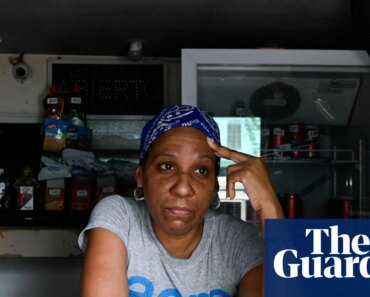
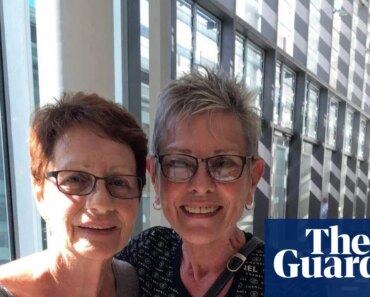
“Sometimes you see God as a genie, where if I give him all this money, he will bring me what I want,” Sarah says.
The 27-year-old spent years caught up in the “prosperity gospel,” whose followers believe that cash donations to evangelical churches unlock divine blessings of health and wealth. So did Jennifer*, 29, who says she gave away her life savings.
Both women are London professionals and former members of the Universal Church of the Kingdom of God (UCKG), an international evangelical movement and UK-registered charity whose cases have recently been investigated by the Fundraising Regulator (FR).
The regulator found in February that, in Jennifer’s case, UCKG had breached the fundraising code because it was “aware” of previous mental health difficulties she had experienced when it received a “large donation” from her and “could not demonstrate that it had considered” her needs or circumstances.
UCKG had no policies in place regarding vulnerable donors, the regulator found, and urged them to consider returning Jennifer’s donation, which she said was £15,000.

Jennifer said: “At every service they showed videos of how people had given everything, how people had given money, sold things or slept on the floor, and then they received the Holy Spirit and that gave them peace.
“I considered my everything to be everything I had: my savings, my current account, the change I had collected. I had an Isa to buy, I closed it to give them that money and filled an envelope with 1ps and 2ps.
“I wasn’t in the right frame of mind. I think I was coerced and controlled financially.”
Jennifer says she hoped the £15,000 donation would demonstrate that she had “received the Holy Spirit” and help her rise through the ranks of IURD volunteers to the “best position” of pastor’s wife.
She estimates she gave more than £38,000 to the UCKG over eight years, says she felt isolated from friends and family, and has alleged that the UCKG banned dating or marriage outside members and arranged marriages with pastors, as well as encouraging members to give them money to attract divine favour.
The regulator’s report said: “In terms of (Jennifer’s) large donation, we found that the charity was in breach of the code as it failed to take into account the possibility that the donor may be in vulnerable circumstances. “We therefore recommend that the charity’s trustees consider whether they should refund any of the donor’s donations and explain their considerations in reaching their decision to the complainant.
“The charity may wish to seek professional advice to help it make a decision. If the trustees decide to issue a refund, depending on the reason for their decision, they may need authorization from the Charity Commission of England and Wales.”
The UCKG has denied the claims, saying it is committed to the highest standards of governance. A spokesperson said its charity work included 14 food banks in London and helping 100,000 people in Ukraine, and involved volunteers supporting care homes, hospitals and vulnerable families in 38 cities.
In Sarah’s case, FR found that UCKG had breached the fundraising code by “failing to have a clear and publicly available complaints procedure” or “complying with all legal requirements” for data protection, after she complained that UCKG contacted her twice after she left and asked them not to approach her.
Both women are supported by ex-member support group Surviving Universal UK, run by whistleblower Rachael Reign. FR has no sanctioning powers, but women are urging ministers to take tougher action against “high control” religious groups, which are not restricted by specific legal provisions.
UCKG reported UK income of more than £15m in the most recent financial year, of which £13m came from donations. In 2022, former followers told The Guardian that they had felt pressured to give tithes: 10% of their income.
Reign said: “We receive at least five new referrals a week about IURD – people looking to leave, people who have left, parents and carers.
“In healthy churches, there is a doctrine of grace, that God’s love is free. In UCKD, if you want to be saved, if you want to be healed, if you want to receive any kind of success, you have to buy your blessings.
“High control groups don’t discriminate: we all have unmet needs, and they target passionate people.”
A UCKG spokesperson said they “strongly refute” the allegations, saying they “do not reflect the experience of the vast majority of our more than 5,000 members across 38 branches across the UK.”
They added: “We are working constructively with the regulator to update policies, strengthen governance and ensure full compliance. While we may not agree with all aspects of the recent findings, we respect the role of the regulator and remain committed to transparency and accountability.
“Tithes and donations are voluntary and based on long-standing Christian teachings. No one is pressured to give and members are free to make their own financial and personal decisions.
“The UCKG does not control members’ relationships, clothing, finances or personal lives. We do not arrange marriages, enforce dress codes or isolate people from family or friends. Members are free to come and go as they please.”