The US Space Force is halting all national security launches on Vulcan Centaur rockets after a booster failure occurred again during the vehicle’s last mission.
United Launch Alliance (ULA)’s new Vulcan Centaur rocket debuted in January 2024 and now has four launches under its belt. On two of these missions, Vulcan got an anomaly in one of its solid rocket boosters in flight. Although the rocket’s core stage engines were able to compensate both times, leading to total mission success, the repeat has raised eyebrows for Space Forcewhich presses pause on the Vulcan missions it has lined up until ULA can get to the bottom of the matter.
“This is going to be a many-month process as we work through the exact technical problem that occurred and the corrective actions that we need to ensure, we need to take, to make sure this doesn’t happen again,” Air Force Col. Eric Zarybnisky said during a media briefing during the Air Force Association’s Warfare Symposium on Feb. 25, as reported by Breaking Defence.
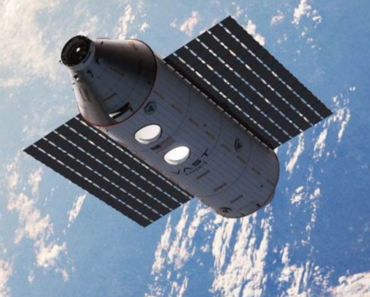
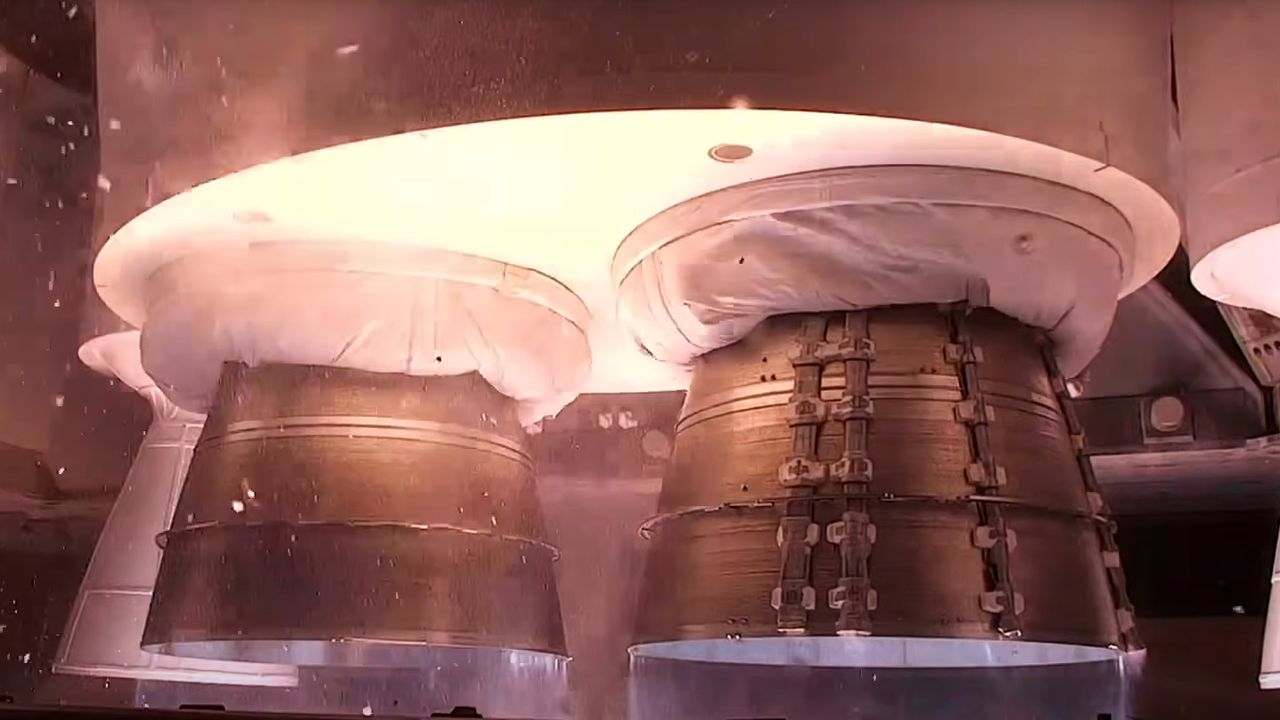
Vulcan’s last launch occurred on February 12. The national security mission, known as USSF-87carried two reconnaissance satellites for the US Geosynchronous Space Situational Awareness Program (GSSAP). About 20 seconds after liftoff, one of the Vulcan’s four solid rocket boosters suffered a visible anomaly, but that was corrected for by the Vulcan’s two BE-4 first stage engines.
Both satellites were delivered safely to a geosynchronous transfer orbit, where they were successfully deployed to assume an apparent stationary position above Earth.
Vulcan experienced a similar problem in the October 2024during the launch of the national security payload certification. On that flight, a manufacturing defect caused one of the solid rocket booster nozzles to fall off, causing the vehicle to temporarily fall off course. It is unclear what happened on the more recent USSF-87 mission; ULA’s investigation is still ongoing.
“We’re going to work through this anomaly until we launch again on Vulcan,” Zarybnisky told reporters on February 25, according to Breaking Defense. “Until this anomaly is resolved we will not be launching Vulcan missions.”
ULA has ordered its Vulcan Centaur rocket for more than two dozen national security launches over the next few years, so the temporary grounding could be a significant disruption for ULA in an already troubled time. Longtime ULA CEO Tory Bruno resigned from the company at the end of 2025 and accepted a position as president of national security at ULA competitor Blue Origin (which also makes Vulcan’s BE-4 engines).