There are fears that a period of higher oil and gas prices could trigger a damaging wave of global inflation.
Published on 18 March 2026
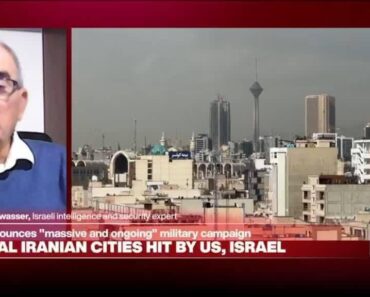
Oil prices rose more than 5 percent after an Israeli strike on Iran’s South Pars gasfield, as the United States-Israeli war over the country continues to escalate.
Brent crude, the international benchmark, rose 5 percent to $108.66 a barrel on Wednesday, while U.S. oil price benchmark US West Texas Intermediate crude CLc1 rose 2.5 percent to $98.65, widening its discount to Brent to the biggest level since May 2019 on fears of a prolonged conflict.
Recommended stories
List of 4 itemsEnd of list
Iranian state media reported that natural gas facilities associated with its offshore South Pars field – the world’s largest gasfield – located off the coast of southern Iran’s Bushehr province, were attacked.
Immediately, Iran’s Revolutionary Guard threatened to attack oil and gas infrastructure in Qatar, Saudi Arabia and the United Arab Emirates, raising the risk of further disruptions to energy supplies in the region.
Later on Wednesday, Qatari officials reported a fire at the country’s Ras Laffan gas plant after an Iranian ballistic missile attack. Qatar’s interior ministry later said the fire had been brought under control.
The US-Israeli war on Iran and Tehran’s retaliatory attacks on its Gulf neighbors have disrupted oil and natural gas exports from the Middle East and halted forced production.
Experts say that if disruptions raise oil and gas prices for an extended period, the global economy could experience a wave of inflation.
The fighting has halted most shipping through the Strait of Hormuz, through which 20 percent of global oil and liquefied natural gas supplies pass. Total oil production cuts in the Middle East are estimated at 7 million to 10 million barrels per day, or 7 to 10 percent of global demand.
In response, the Trump administration on Wednesday announced a 60-day waiver of the Jones Act shipping law, temporarily allowing foreign-flagged ships to transport fuel, fertilizer and other goods between US ports.
The United States also issued a general license, authorizing certain contracts involving Venezuela’s state oil company PDVSA, the US Treasury Department said on Wednesday.
In Iraq, North Oil Company sources said exports through the pipeline had resumed on Tuesday after Baghdad and the Kurdistan Regional Government agreed to restart flows.
Two oil officials said last week that Iraq wants to pump at least 100,000 bpd through the port.
(tags to translate)news