The Federal Reserve’s decision on interest rates is due on Wednesday. Traders expect rates to remain largely on hold, a scenario likely to persist for the rest of the year.
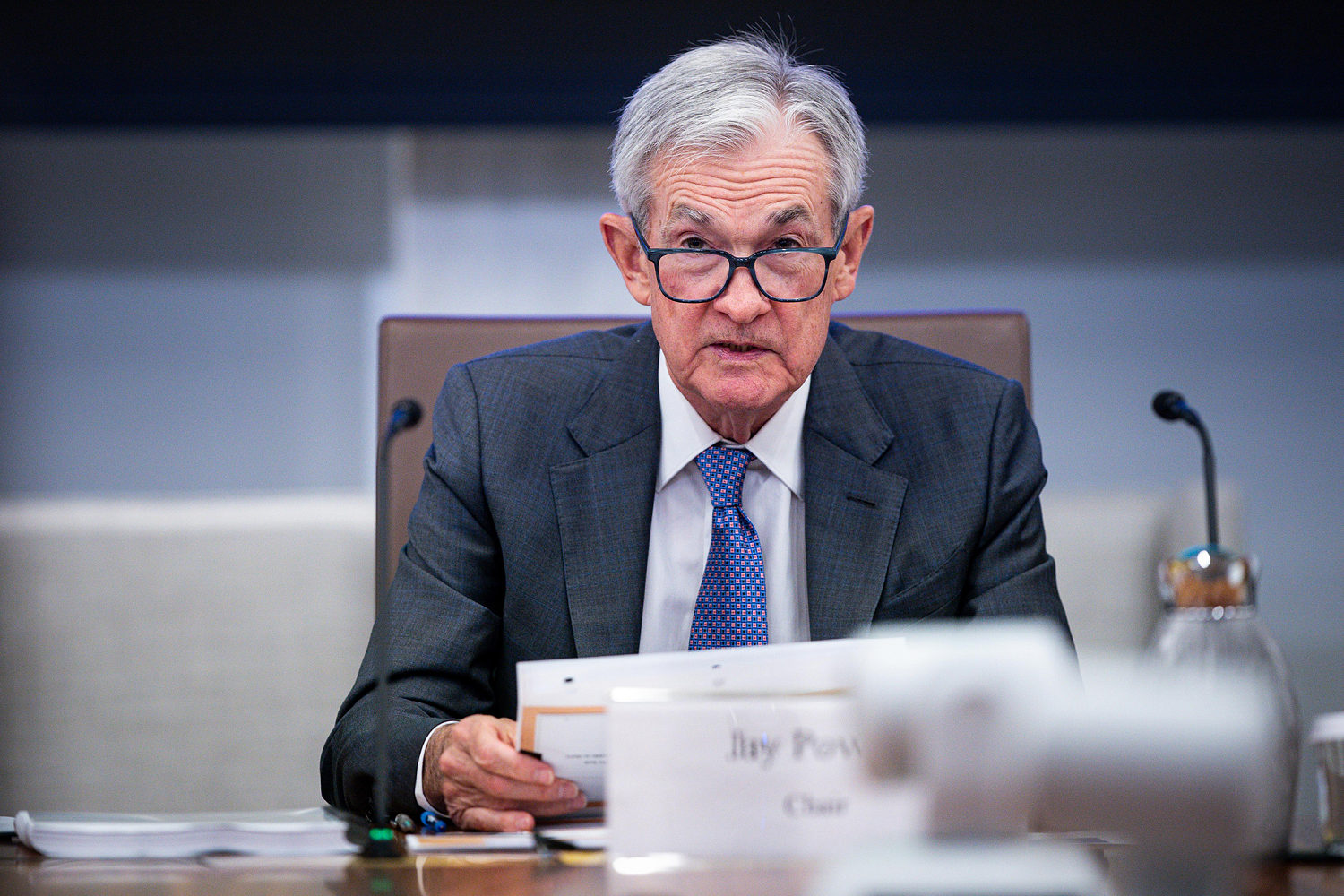
Instead, how Chair Jerome Powell and policymakers will decide to respond to the growing Middle East oil crisis will have investors and consumers alike on the edge of their seats anticipating an interest rate cut, when Powell steps to the lectern at the central bank’s headquarters at 2:30 pm ET.
Price shock
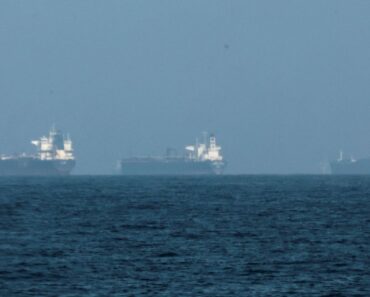
When the United States and Israel attacked Iran on February 28, the Islamic Republic responded in part by blocking the Strait of Hormuz, a key transit route for oil from the Middle East.
Crude oil prices skyrocketed overnight. Gasoline prices quickly followed.
As of Wednesday, US crude oil prices were up more than 40% and the average retail price of unleaded gas in the country had risen more than 75 cents a gallon since the war began.
Diesel fuel, which powers ships, trucks and trains in America’s domestic supply chain, topped $5 a gallon on Tuesday for the first time since 2022.
Heading into a Federal Open Market Committee meeting in March, “a key question for the Fed is how to manage oil price shocks,” Morgan Stanley economists wrote in a recent note.
Unlike in October, when the Fed voted to cut benchmark interest rates by a quarter point, this time the central bank is expected to keep rates steady.
“We expect no change in the stance of monetary policy at the March FOMC meeting,” economists at UBS wrote Friday, echoing the broad expectations of economists and investors.
Oil and gas prices are not the only ones going up. Just like home heating oil, the price of jet fuel has skyrocketed.
Meanwhile, American consumers are already frustrated by the high cost of living. And news headlines about mass corporate layoffs reinforce the view that the US labor market is in a weak state.
“With a weak labor market facing more downside risks, energy prices may point to higher inflation ahead,” UBS economists wrote.
The Fed’s dual mandate, established by Congress, is to maintain maximum employment while keeping prices stable in the long run.
“Powell has his work cut out for him,” Bank of America analysts wrote.
A bleak economic outlook
Traditionally, central bankers “see” or discount short-term spikes in gas and oil prices until they affect the prices of other commodities. Instead, they focus primarily on “core inflation,” which excludes the more volatile categories of food and energy prices.
But, this time it may not be possible. The already weakened state of the economy even before the conflict in the Middle East increased Americans’ vulnerability to a domino effect of higher costs starting with skyrocketing gas prices.
When an economic slowdown occurs at the same time as rising unemployment and high inflation, it creates a frightening scenario known as “stagnation”.
While the unemployment rate rose only marginally in the latest jobs report, the overall report showed a loss of 92,000 jobs in February. It also included sharp downward revisions to the jobs reports for January and December.
Inflation, meanwhile, remained sticky, coming in at 2.4% in both January and February. That’s after falling from 3% in September.
A fresh jolt of tariff uncertainty brought by the Supreme Court’s Feb. 20 ruling that struck down President Donald Trump’s sweeping country-based tariffs further complicates the economic forecast.
Trump promised to raise the short-term global 10% tariff to 15%, but so far has not done so.
In the meantime, the administration quickly launched dozens of investigations into key trading partners, setting the stage for another wave of tariffs later this year.
Political cloud
As the central bank and Powell work to navigate the complex economic environment, the Fed is simultaneously facing political challenges that have no real equivalent.
In a case that could dramatically change the Federal Reserve’s independence, the Supreme Court has heard oral arguments — but has yet to rule — on the future of Fed Governor Lisa Cook, whom Trump has tried to fire.
Powell’s Justice Department investigation and his testimony to Congress about renovations to Fed headquarters are also under legal obstruction.
Lawmakers on Capitol Hill were outraged to learn of the investigation, which Powell says was nothing more than an attempt to pressure the Fed to bow to Trump’s demand that it support interest rate cuts.
Until the investigation was dropped, North Carolina Republican Sen. Thom Tillis has vowed to block the confirmation of President Powell’s choice to replace economist Kevin Warsh.
Tillis recently met with Warsh in Washington and praised his qualifications, but said the “bogus investigation” of Powell needed to be dropped before Warsh’s confirmation process could move forward.
Powell’s second term as president ends in May. Under normal circumstances, this March meeting will be his second last in that position.
But it is not yet clear when Warsh might confirm. The Justice Department vowed Friday to fight a federal judge’s order that effectively ended the investigation into Powell.
If Warsh still doesn’t win Senate confirmation by May, then Powell will remain in his current role as chairman of the Fed’s rate-setting committee, at least until the Senate approves a nominee to replace him.