A federal judge in Massachusetts on Monday ordered Health Secretary Robert F. Kennedy Jr. blocked the latest overhaul of the nation’s childhood vaccine schedule — a major blow to his vaccine agenda.
The ruling stemmed from a lawsuit brought by the American Academy of Pediatrics (AAP) and other medical groups against the Department of Health and Human Services, arguing that Kennedy’s changes to vaccine recommendations and the influential Vaccine Advisory Committee violated federal law.
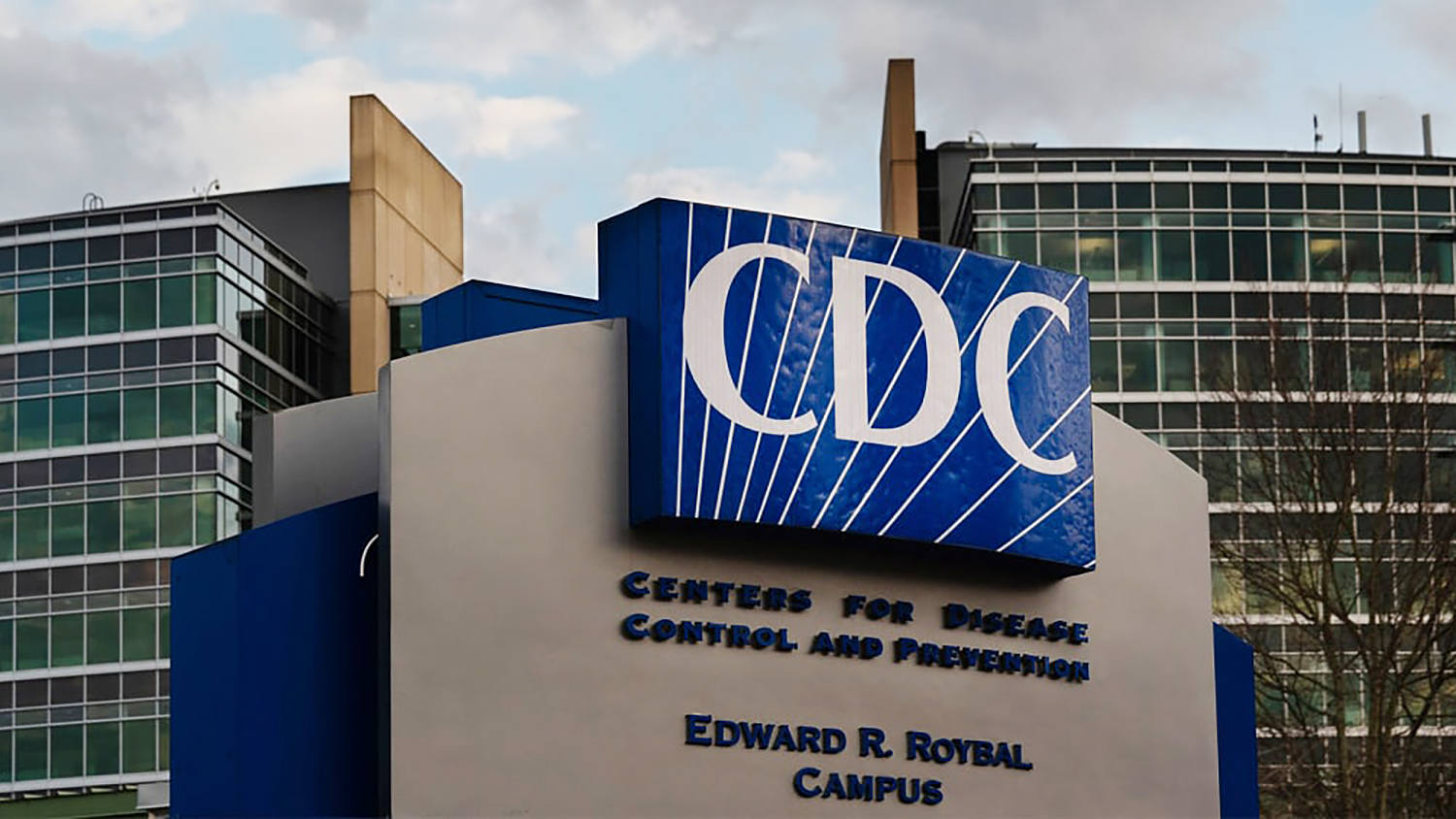
In January, Kennedy and the Centers for Disease Control and Prevention made sweeping changes to the childhood vaccine schedule, reducing the number of recommended diseases from 18 to 11. The change dropped recommendations that all babies should be protected against hepatitis A, hepatitis B, RSV, dengue and two types of bacteria.
In response, more than 200 groups, including the American Medical Association, the March of Dimes, and the Autism Science Foundation, announced that they would ignore the changes and follow the AAP’s immunization schedule.
The judge also blocked new members appointed by Kennedy to the CDC’s Vaccine Advisory Committee starting in June. The Advisory Committee on Immunization Practices helps shape US vaccine policy, including recommendations that influence the childhood vaccine schedule and which shots insurance should cover.
The committee was supposed to meet on Wednesday and Thursday. According to AAP’s lawyer Richard Hughes, the judge’s decision essentially stops the meeting from taking place.
An HHS official confirmed that the meeting has been postponed.
The ruling blocked any votes Kennedy’s ACIP had taken since June, including a vote to no longer recommend the hepatitis B vaccine for all newborns.
The decision is a setback for Kennedy, a longtime anti-vaccine activist who has promised to restore trust in public health agencies, but experts say his controversial policies have created confusion among pediatricians and increased distrust of childhood vaccinations. A recent survey by the University of Pennsylvania’s Annenberg Public Policy Center found that trust in public health agencies has declined during President Donald Trump’s second term.
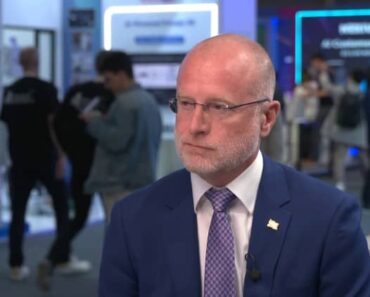
“Today is a day to celebrate the triumph of science over misinformation,” said Dr. Richard Besser said. “This is a big blow to Kennedy’s vaccine policies.”
Dr. Andrew Racine, president of the AAP, said the ruling “re-established a level of clarity” about childhood vaccinations. “If anyone has any questions about what vaccine schedule is right for their child, it’s best to talk to their pediatrician.”
An HHS official said the agency will appeal the decision. Hughes suggested the case could go to the Supreme Court.
In a statement, Andrew Nixon, a spokesman for HHS, said the agency “looks forward to overturning this judge’s decision, as it does to his other efforts to keep the Trump administration out of the administration.”
After taking office, Kennedy made a series of moves to reshape federal vaccine policy.
In June, Kennedy fired all 17 members of ACIP and replaced them with his own appointees, many of whom were critics of vaccines.
He also released new rules for how vaccines are tested, which experts said would make it harder to approve new shots. Kennedy has moved to limit the use of Covid vaccines – they are harder to get for those under 65 – and removed the recommendation that healthy children and pregnant women get the shots. They have taken a hard line on shots using mRNA technology.
Correction (March 16, 2026, 6:08 pm ET): A previous version of this article misstated how vaccine recommendations changed under Kennedy. The CDC changed the number of diseases recommended for vaccination from 18 to 11, not the number of shots.