Sri Lanka is introducing a shorter four-day work week to preserve its dwindling fuel and gas reserves, as the Middle East conflict continues to severely disrupt energy supplies in the region.
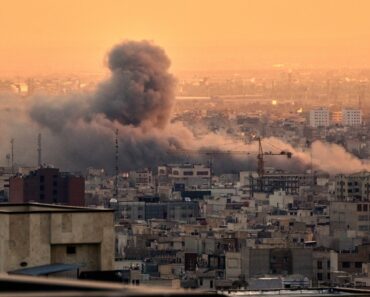
South Asian countries are facing crippling shortages of fuel and LPG gas, used for everything from home cooking to cremating bodies, as most supplies have been held up in the Gulf since the United States and Israel began bombing Iran.
The Strait of Hormuz, a critical shipping route for most of South Asia’s oil and gas, has been effectively closed for two weeks as Iran blocked it in retaliation for attacks by the United States and Israel.
All countries in the region import almost all of their fuel and gas and most warned they only have enough supplies to keep the lights on for a few more weeks.
Bangladesh, fearful of running out of fuel to power garment factories crucial to its economy, announced early Ramadan holidays for universities to save energy and has imposed scheduled blackouts.
Pakistan, which relies on 85% of its energy coming from the Strait of Hormuz, moved schools to online remote learning this week and raised fuel prices in a bid to stop hoarding.
Sri Lanka is among countries reducing working hours to save fuel, which it sources mainly from the Middle East. Starting Wednesday, state institutions, as well as schools and universities, will operate only four days a week. Public servants are asked to work from home whenever possible.
“We are also asking the private sector to follow suit and declare every Wednesday a holiday from now on,” Prabath Chandrakeerthi, commissioner general of essential services, told reporters after an emergency meeting chaired by President Anura Kumara Dissanayake.
In scenes reminiscent of Sri Lanka’s economic crisis four years ago, fuel rationing began on Sunday. Long queues formed outside petrol stations and motorists were limited to 15 liters of petrol or diesel per week, while public transport was allocated up to 200 litres.
Officials said the country’s gasoline and diesel reserves would last almost six weeks, but warned that any disruption to fresh supplies could severely hit the island. They insisted that essential services, including hospitals, ports and emergency services, will continue to operate as normal.
The government has warned that a prolonged war in the Middle East and the failure to ensure the safe transportation of energy through the Strait of Hormuz could seriously undermine its efforts to emerge from the 2022 economic crisis.
At an emergency meeting on Monday, President Dissanayake reportedly told senior officials: “We must prepare for the worst, but hope for the best.”
In India, where 60% of its LPG gas supplies come from the Gulf states, long queues formed across the country for cooking gas canisters and many restaurants closed their doors or removed slow-cooked dishes from menus. Hotels warned they would soon have to close and a major steel plant said it would have to close operations. Prime Minister Narendra Modi tried to assure people that there was no shortage of LPG and “there was no need to panic”.
India claimed some diplomatic success over the weekend when two of its tankers, carrying critical gas supplies, were able to successfully navigate through the strait on Saturday, which will likely help facilitate distribution when they arrive in India on Monday.
Speaking to the Financial Times, Indian Foreign Minister Subrahmanyam Jaishankar said Indian oil tankers had been allowed to cross the strait after direct negotiation with the Iranians. “Right now I’m talking to them and my conversation has yielded some results,” he said.