The first thing I said was my aunt’s name. She has Down syndrome and she is my best friend in life. I have been following this event this morning before writing this post. My aunt – whom I loved more than almost anyone – would occasionally be teased in the street.
People would say cruel things and make faces, and I would stand on end, step forward, ready to say something. But she always stops me. A gentle hand was placed on my arm. Then she would smile at me with that beautiful smile of hers, and hold me in her arms until the world felt right again.
But I also remember when it did pass. As she lowered her head and whispered, “There’s nothing I can do,” she shrugged with a sadness she shouldn’t have to bear. This has always stayed with me.
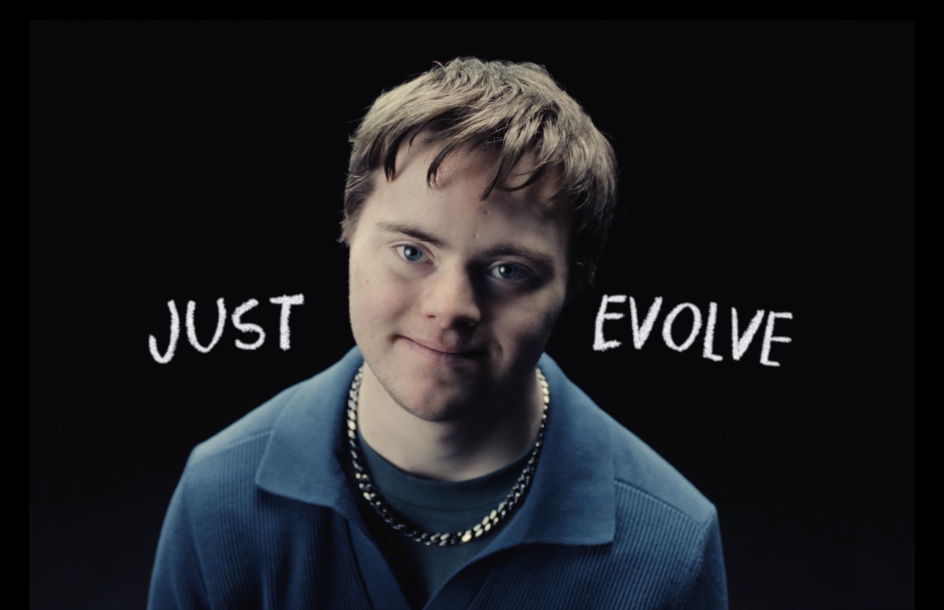
That’s why I’d like to introduce you to ‘Just Evolve’, CoorDown’s new international campaign for World Down Syndrome Day 2026 (launching on March 21st), created in partnership with New York agency SMALL.
The R-word is back. This is a problem.
You might think this particular battle is essentially won. For a while, it seemed that it was. Movements in recent decades have made real progress in reducing the casual use of disability slurs, which began in medical settings in the 1800s and 1900s and later migrated into everyday language as tools of ridicule and exclusion.
But we seem to be going backwards. Influential people—like politicians, podcasters, and comedians (I’ll never forgive Frankie Boyle)—have started using these words again. They often hide behind the language of “free speech” or frame it as a “harmless joke.” Data from Montclair State University found that usage of the R-word increased 200% on X (formerly Twitter) in November 2025 alone. This is nothing to ignore.
Before anyone says “it’s not for people with disabilities,” that’s exactly the point CoorDown is making. The damage is independent of the target. When disability is used as a metaphor for stupidity, failure, or weakness, it reinforces the idea that the disability itself is secondary. Something ridiculous or shameful. Everyone with Down syndrome and everyone with any disability lives within this cultural context. They feel it.
The film: poignant, funny, yet quietly devastating
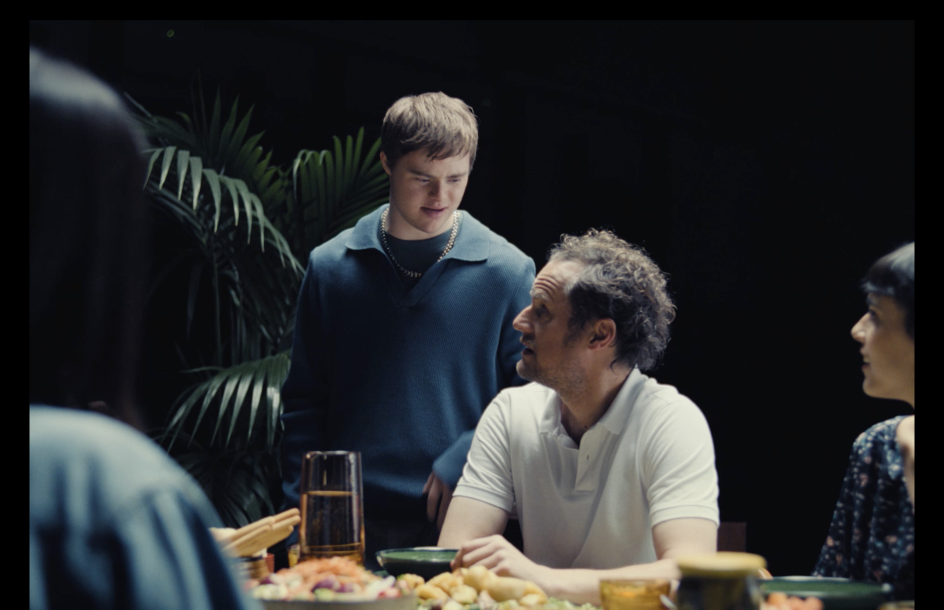
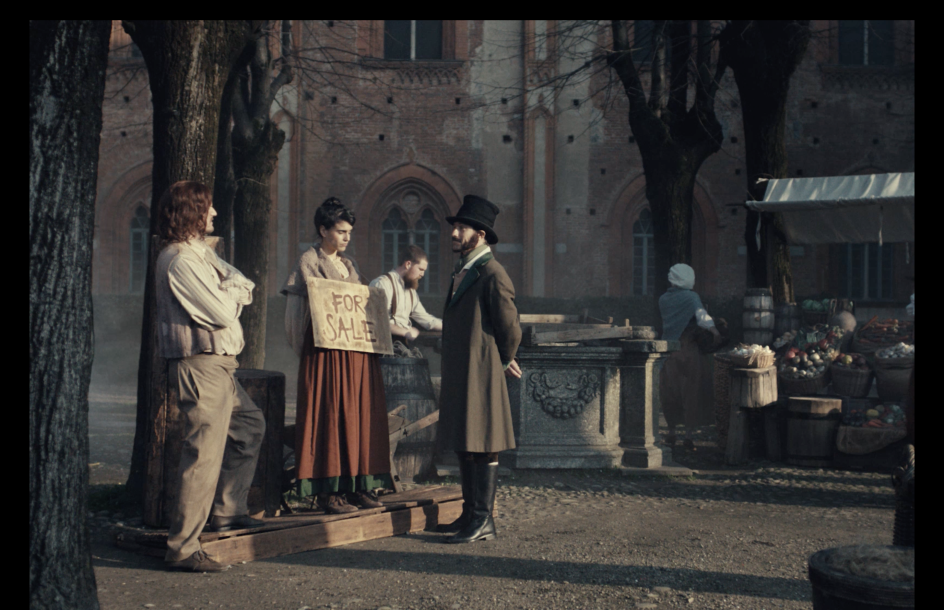
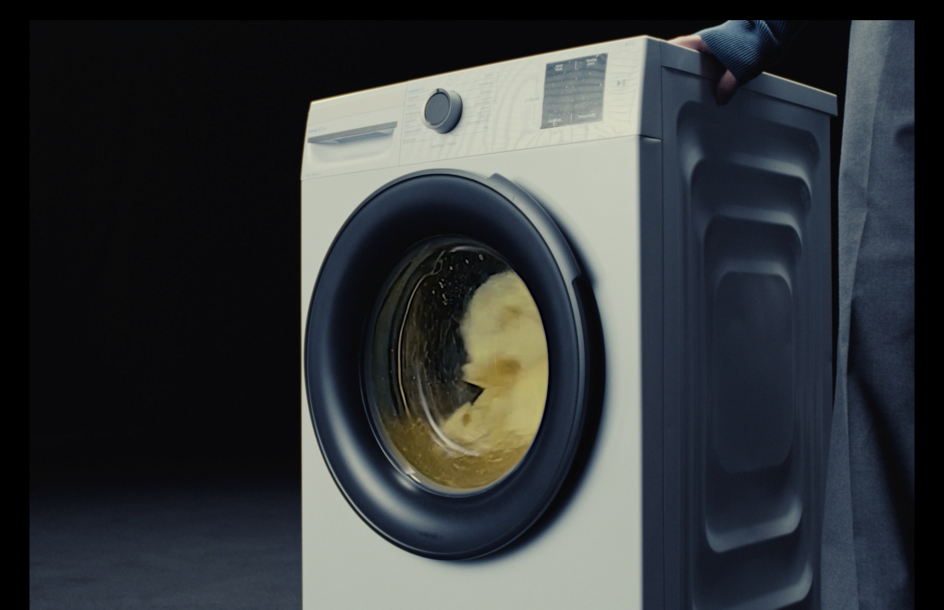
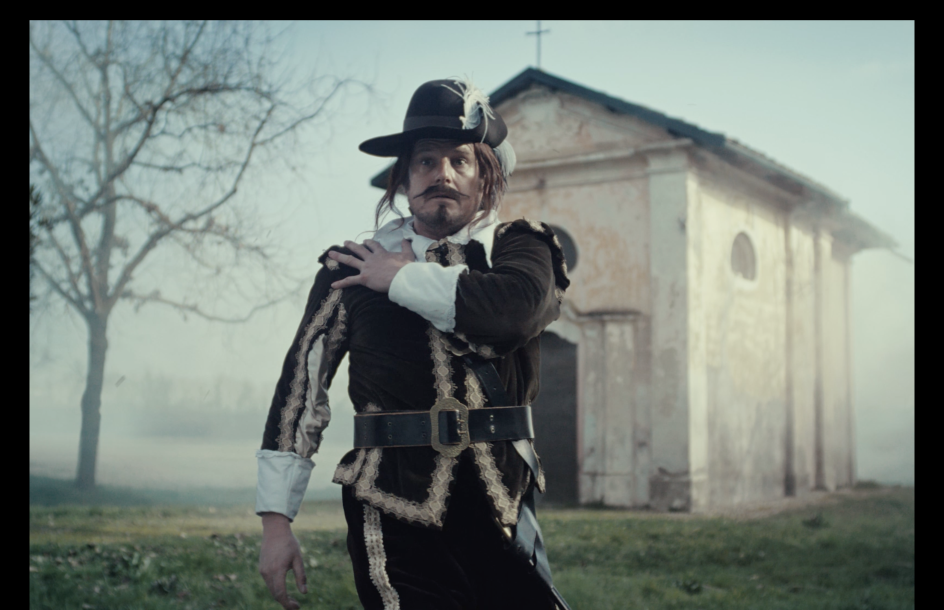
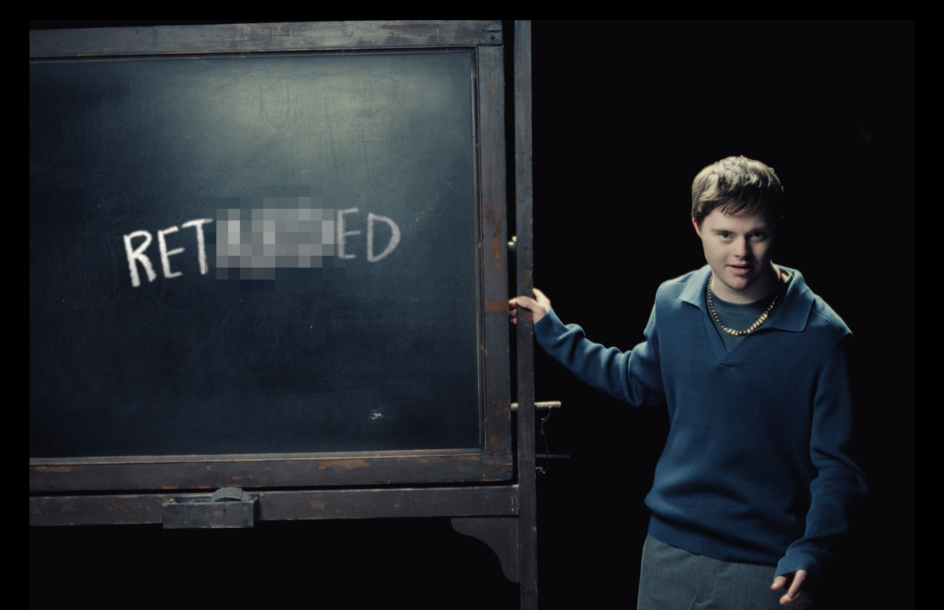
The campaign video is brilliant. Noah M. Matofsky, 19, a young British actor with Down syndrome, plays a tour guide who takes a man on a historical tour to defend his use of the “R” word and confront him with practices that were once considered perfectly normal but are now patently absurd or cruel. Use urine to wash clothes. Eyebrows made of mouse hair. Selling his wife in the market. Yes, really.
The analogy is elegant and irrefutable: we leave all of that behind. We evolved. So why is it so hard?
It’s directed by Martin Holzman, beautifully shot by Alvar Riu Dolz, and every era is physically constructed – no digital filters, real sets, real costumes. The result makes you laugh and then think, which is often the most effective way to convey an important message.
Language shapes reality
CoorDown President Martina Fuga puts it bluntly: 90% of the time people use these words, they are not consciously trying to hurt people with disabilities. But intention isn’t the whole story. The words we pursue shape the culture around us, and that culture has real consequences in schools, workplaces, media and institutions. For people with disabilities, full participation in life becomes more difficult and sometimes impossible.
Every culture has its own vocabulary of exclusion. The R word in English speaking countries, “ritardato” and “mongoloide” in Italian, “rétardé” and “débile” in French, “retrasado” and “mongólico” in Spanish. Different language, same hurt, same pattern.
Choosing more inclusive language is not political correctness. It’s not “not allowed to say anything anymore.” It’s about recognizing that the words we use construct the world we all have to live in, and deciding whether we want this to be a world where people are treated with dignity or reduced to punchlines.
Just evolve.
The campaign runs on social media until March 21, with CoorDown sharing stories of people with disabilities and their families. There’s also an AI agent (curated by Fairflai) that helps people find concrete actions they can take to build a more inclusive culture around language.
The campaign is supported by an impressive coalition of global organizations, including the National Down Syndrome Society, Down Syndrome UK, Down Syndrome Canada, Down Syndrome Australia, Down Syndrome International and many more.
I will share this widely. My aunt is one of the happiest, most generous, and loving people I know. She deserves a world that sees her clearly. So are all the people who are still here, still living with language that demeans them.
Watch movies. Share it. If you’ve been using these words… not with the intention of harm, just out of habit – let this moment be the place where you leave them in the past.