The fuel nozzle is inserted into the combustion engine at the petrol pump at the filling station during the refueling process.
Image alliance | Image alliance | Getty Images
Countries around the world scrambled to deal with the fallout from the energy shock from the Iran war, imposing measures ranging from energy export bans, to loosening refining standards and making workers climb stairs instead of taking elevators.
It comes as the Iran war extends into its third week, and despite US President Donald Trump declaring the US “won”, the effects of the war, particularly in the energy market, continue to be felt.
Seriously…
Naturally, some nationwide measures include trying to have more fuel in the country to avoid relying on imported fuel.
On Thursday, according to Reuters, China ordered refiners to halt refined fuel exports to ease potential domestic fuel shortages.
Sources told the agency that the ban has been issued by the National Development and Reform Commission and includes shipments of gasoline, diesel and aviation fuel.
CNBC tried to reach the NDRC for comment, but did not receive an immediate reply.
Other major countries are considering or have imposed price caps on energy products.
On Monday, Japanese Prime Minister Sanae Takaichi said Tokyo was considering measures to cushion the economic blow from rising fuel costs, including curbing gasoline prices.
Takaichi was quoted by Japanese media on Thursday as saying he plans to cap pump prices at an average of 170 yen ($1.07) per liter nationwide, adding that gasoline prices could reach 200 yen per liter.
Tokyo unilaterally released crude from its own stockpiles, without waiting for coordination with other nations.
Japan has been particularly badly hit by the war in Iran, as the world’s third-largest economy needs to import almost all of its energy needs.
South Korean President Lee Jae-myung’s government on Friday implemented a petroleum price ceiling.
“We have decided to set a clear cap on supply prices to curb wildly fluctuating domestic fuel prices due to the volatile international situation,” Lee said.
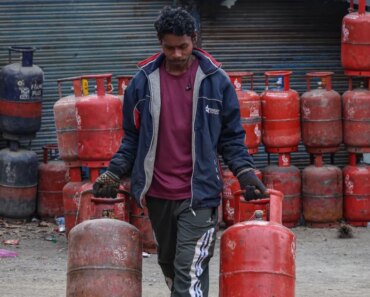
India too had to make some tough choices. The country has told oil refineries to prioritize supplying liquefied petroleum gas to the 330 million households that use it as primary cooking fuel, while 3 million businesses use commercial LPG cylinders.
… to the spectacle
While some countries have sought to secure alternative energy supplies to keep their lights on, others have focused on reducing demand on their grids.
Work-from-home orders have returned in some countries after years of companies trying to get workers back into offices following the pandemic, with Vietnam and Thailand reportedly getting employees to work remotely.
Thailand went a step further, ordering civil servants to take the stairs instead of elevators, reducing their reliance on air conditioning and telling government workers to wear short-sleeved shirts rather than suits.
Both the Philippines and Pakistan have instituted four-day work weeks for government employees, and Bangladesh has also changed its calendar, bringing forward its Eid-al-Fitr holiday, allowing universities to close earlier in an effort to save fuel.
(tags to translate)World Economy