Basic signs
- Meta could cut around 20% of its workforce – potentially affecting 16,000 workers
- The workforce reduction is a $600 billion funding target for AI infrastructure that extends through 2028.
- Mark Zuckerberg has instructed senior executives to develop strategies to reduce the number of employees
- The company recently bought AI agent platform Moltbook and invested $2 billion in Chinese startup Manus
- Meta’s “Avocado” AI system underperformed by internal benchmarks
Meta Platforms appears poised to implement its biggest workforce reduction since 2022, with internal discussions pointing to layoffs of 20% or more of current employees. Considering Meta’s December headcount was about 79,000, that equates to about 16,000 positions likely to be eliminated.
Meta Platforms, Inc., META
The information was released on Thursday by Reuters, which spoke to three people with direct knowledge of the dispute. However, neither the deadline nor the exact numbers have been determined. When contacted, a Meta representative described the report as “speculative” and focused on “theoretical approaches.”
These potential reductions stem from Meta’s ambitious AI strategy. The social media giant has pledged to invest $600 billion in data center and AI infrastructure by 2028 — a cost that would require significant cuts in other areas.
Zuckerberg’s vision is becoming increasingly clear. Speaking in January, he noted that “projects that used to require large teams are now handled by a very talented individual.” This performance description supports Meta’s current trajectory.
According to two Reuters sources, senior executives have already instructed department heads to draw up workforce reduction plans. Still in the early stages, the strategic direction seems solid.
Aggressive AI Investment Strategy
These workforce changes coincide with Meta’s aggressive AI spending. Meta recently completed the acquisition of Moltbook, an AI agent-focused social platform. In addition, the company is allocating at least $2 billion to Chinese artificial intelligence startup Manus.
To attract elite AI researchers, Meta extended a compensation package worth hundreds of millions of dollars over four years to scientists who join its top intelligence division.
The paradox is striking: the very AI investments that require specialized hiring may simultaneously lead to widespread job losses. Astronomical costs to build AI infrastructure are forcing companies to adjust operations in other areas.
If the 20% reduction materializes, it will be Meta’s most significant reduction since the Year of Efficiency initiative. This restructuring will eliminate 11,000 positions in November 2022, and an additional 10,000 layoffs in early 2023.
Meta follows an industry-wide trend. Amazon announced 16,000 job cuts earlier this year. Block has cut its workforce by nearly 50%, with CEO Jack Dorsey clearly attributing the reduction to AI capabilities reducing staffing requirements.
Problems with the Avocado AI model
A significant AI investment in the Meta does not guarantee smooth performance. The company’s Llama 4 models have come under scrutiny after questionable performance in early benchmarks. The Behemoth, the flagship variant, was eventually canceled before the expected summer launch.
Meta Intelligence is currently developing Avocado, a new model designed to restore confidence in the company’s efforts. However, initial results have reportedly disappointed domestic stakeholders.
Bernstein’s analysts have identified a “disappointing entry” affecting consumer adoption of AI – an accurate description of the current positioning of AI products in the Meta.
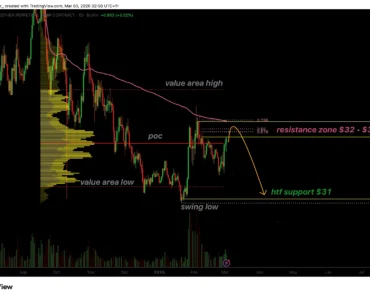
Shares of META fell 3.83% in regular trading following the news, although the stock recovered modestly in after-hours activity as market participants weighed the potential margin benefits of the staff cuts.
Current figures show Meta employed 78,900 people as of December. A 20% reduction in the workforce would reduce this total to approximately 63,000 employees.
The post Meta (META) shares plunge after the company plans major layoffs to fund a massive AI investment appeared first on Blockonomi.