BlackRock has officially entered the income game with the launch of a new Ethereum ETF: the iShares Staked Ethereum Trust ETF (ETHB). For the first time, the world’s leading asset manager not only bids on the price of Ethereum, but actively engages in crypto investment strategies to generate passive income for shareholders.
This creates a paradox in the market. Previously, Ethereum staking was a technical hurdle for those managing private keys or locking assets on unregulated exchanges. Now, the same harvest is available thanks to the new BlackRock Ethereum ETF system, which effectively democratizes the complex financial mechanism overnight.
But with the new fees and tax implications, does this product really make sense for the average investor?
BlackRock just launched an Ethereum ETF.
Not just price effects.
Real rewards.
Within a regulated ETF.
Available to all institutions on the planet.$ETHB just changed the game.You can now hold ETH.
Earn in ETH.Through the world’s largest… pic.twitter.com/12RfsmyeHT
– CryptoTice (@CryptoTice_) March 13, 2026

Discover: The Best Crypto Futures to Watch in 2026
BlackRock Ethereum Staking ETF: How ETHB Generates Yield
The fund participates in “staking” where cryptocurrency is locked to validate transactions and secure the blockchain network. In exchange for this service, the network pays rewards, such as receiving interest on a bond. BlackRock’s ETHB aims to hold between 70% and 95% of its Ether holdings to maintain a “liquidity loop” of unlevered assets for daily processing.
Here’s what it looks like in numbers:
- Income: The fund expects an annual income of around 3% from staking rewards, although this varies based on network activity.
- Distribution: Unlike some competitors who reinvest rewards, ETHB converts these rewards into cash and pays out to investors monthly.
- Fees: The ETF charges a 0.25% sponsorship fee, although BlackRock waives 0.12% for the first $2.5 billion in assets (or the first 12 months).
Most importantly, BlackRock takes a portion of the rewards before you see them. The fund charges an 18% service fee on the rewards generated. This effectively means that you are paying for the convenience of not having to manage the stacking hardware yourself.
Discover: The best crypto to buy now
Why is BlackRock doing this now?
After the massive success of its Bitcoin and Ethereum ETFs, the company suggests that institutions want “total return” that includes yield.
The launch fits into a broader trend of major players reevaluating their crypto allocations. We’ve already seen Harvard cut Bitcoin to convert to Ethereum ETFs, indicating an appetite among funds for assets that can generate cash flow. With the introduction of ETHB, BlackRock is positioning itself to capture this complex capitalization that makes Ethereum look less like digital gold and more like a technology stock that will pay dividends.
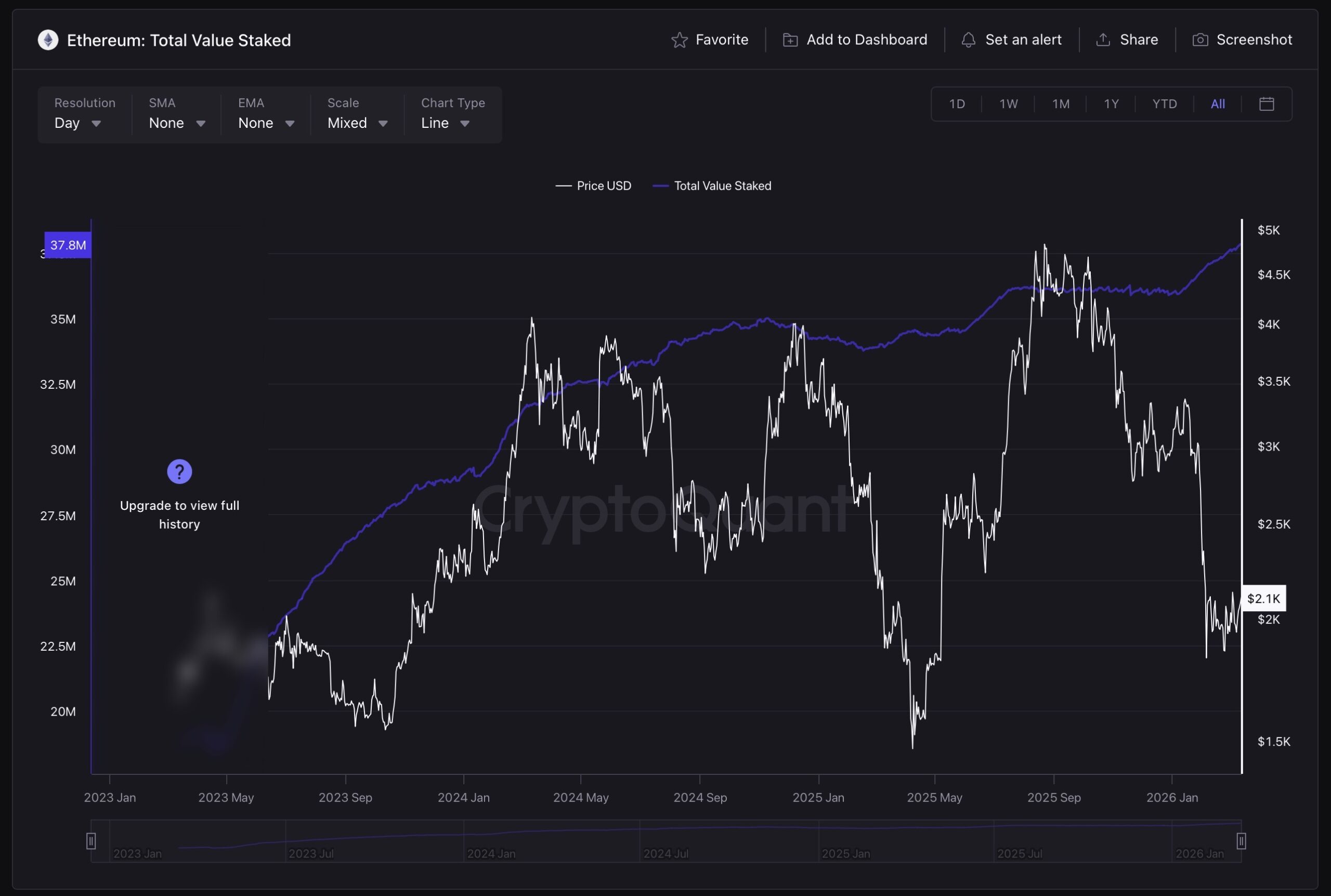
There is also a supply fact. When BlackRock locks up thousands of ETH in staking contracts, it removes liquidity from the open market. This will help strengthen the existing supply. With the Ethereum Scarcity Index flashing positive signals recently, the introduction of a massive buyer like BlackRock could exacerbate the supply squeeze and potentially support a long-term price rally.
DISCOVER: The best crypto to buy now for maximum returns
What retail investors actually get
So what does this product actually offer you, the retail investor? Its main advantage is simplicity. The production of Ethereum independently requires 32 ETH (about $ 65,000 at the latest prices) and significant technical costs. ETHB completely removes these obstacles.
With ETHB, you buy a share that represents a share of ether. You don’t have to install a validator node, you don’t have to worry about losing your private keys, and you don’t have to worry about technical downtime. BlackRock manages the backend through custodians like Coinbase.
However, you are trading income for convenience. If the raw rate on Ethereum is 3%, the 18% reduction in this premium from BlackRock will reduce your effective yield. Furthermore, since ETHB pays rewards as cash, these distributions are taxed as ordinary income immediately upon receipt. This contrasts with other forms of institutional involvement where benefits may be combined differently.
The competition should also be noted. Grayscale’s mini ETF (ETH) takes a different approach, collecting rewards for increasing the amount of ETH per share instead of paying cash. BlackRock speculates that investors prefer the regular “salary” of monthly cash distributions to passive accumulation.
Follow 99Bitcoins X (Twitter) For latest market updates and subscribe on YouTube for daily market analysis.
The post BlackRock Ethereum ETF: 82% passive income from rewards? appeared first on 99Bitcoins.