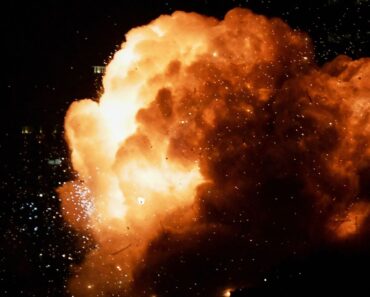
Iran and its proxies have attacked a number of US sites in the Middle East since the US and Israeli militaries jointly launched attacks on Tehran and other cities on February 28. As the Middle East conflict entered its 14th day on Friday, reported casualties included seven U.S. service members killed and 18 wounded.
Iranian missile, drone and maritime attacks have spread throughout the Gulf, targeting countries hosting US military facilities and key oil shipping routes. Countries including Kuwait, Bahrain, Qatar and the United Arab Emirates have reported missile threats, drone interceptions or explosions in recent days. At the same time, attacks on ships in and around the Strait of Hormuz, a critical global oil corridor, have raised concerns about disrupting energy supplies.

According to the Pentagon, about 140 soldiers have been injured since the war began. Six of the soldiers were killed when Iran attacked a US base in Kuwait.
Pentagon spokesman Sean Parnell said most of the injuries were minor and that 108 soldiers have returned to duty, while eight remain seriously injured and receiving intensive medical care.
Iraq involved in the conflict
The war has drawn Iraq into confrontation, where American diplomatic facilities and sites have been attacked by armed groups backed by Iran.
Just hours after the US and Israeli attacks on Iran, US assets in the Kurdish region of Iraq suffered retaliatory attacks by groups backed by Tehran, according to Al Jazeera .
Drone and rocket attacks have targeted locations including Baghdad International Airport, which hosts a US military base and diplomatic facilities, as well as sites in the Kurdish regional capital, Erbil.
Story continues below this ad.
Iran’s Revolutionary Guard Corps also claimed responsibility for missile attacks on Harir Air Base in the Iraqi Kurdistan Region, according to the same report. At least 26 people died and dozens were injured, reports Al Jazeera
Iraqi Foreign Minister Fuad Hussein said the country had become “one of the countries directly affected by the ongoing conflict” and was facing attacks from “both sides of the conflict.”
Kuwait: US facility reportedly attacked
Iran’s Islamic Revolutionary Guard Corps (IRGC) said it launched missiles against US forces in the Gulf, including two missiles aimed at Camp Arifjan in Kuwait, reportedly citing Iranian military statements.
Kuwaiti authorities did not confirm a direct attack on the base. However, Kuwait’s National Guard said several drones entering the country’s airspace were intercepted, suggesting the attempted attack was stopped by air defense systems.
Story continues below this ad.
The conflict has already caused American casualties in Kuwait. Six U.S. soldiers were killed in a drone strike there early in the war, according to U.S. officials cited by ABC News.
Bahrain: Attacks reported in Manama area
Iranian drone and missile attacks have also been reported in Bahrain, where a drone strike hit a residential building in Manama, killing one person and injuring several others. Al Jazeera reported.
Other attacks injured dozens of people in Sitra, near Manama, and caused a fire at a facility at the nearby Ma’ameer stadium, the report added.
Bahrain hosts the US Navy’s Fifth Fleet, although available reports do not confirm a direct attack on the headquarters.
Story continues below this ad.
Qatar and United Arab Emirates report missile and drone interceptions
Missile threats have also been reported in Qatar, where the Defense Ministry said the country’s military intercepted an incoming missile, and explosions were heard in Doha caused by air defense systems attacking the projectile.
In the United Arab Emirates, authorities said they intercepted several Iranian drones, although some fell inside the country, injuring civilians and causing damage in Dubai, according to Al Jazeera.
Attacks on ships near the Strait of Hormuz
The conflict has also affected commercial shipping through the Gulf, particularly near the Strait of Hormuz, through which approximately one-fifth of world oil supplies It usually happens.
A bulk carrier was hit by an unidentified projectile northwest of the United Arab Emirates, causing a fire on board, the UK Maritime Trade Operations (UKMTO) monitoring agency reported to the BBC.
Story continues below this ad.
Security agencies that monitor shipping traffic say multiple ships have been hit in Gulf waters since the war began, raising concerns about disrupting global energy supply routes.
In another escalation, two oil tankers were hit in the Iraqi port of Umm Qasr, killing one person and prompting rescue operations for dozens of crew members, Reuters and CNN reported.
Air defenses activated in Gulf states
Several Gulf countries have repeatedly activated air defense systems as missile and drone threats continue.
Saudi Arabia said its air defenses intercepted drones heading toward the Shaybah oil field, while Kuwait and the United Arab Emirates also reported shooting down drones and missiles entering their airspace.
Story continues below this ad.
Iranian officials have warned that the conflict could become a “war of attrition” affecting energy markets, with attacks on infrastructure and shipping lanes across the Gulf. reported The guardian.
Increases the human and economic cost
The war has already caused significant casualties and displacement throughout the region.
Earlier on March 6, Iran’s ambassador to the UN said more than 1,300 people had been killed and accused the United States and Israel of launching an attack on a girls’ school near an IRGC base in southern Iran on February 28, saying that alone killed 168 people, including about 110 children.
Meanwhile, attacks on maritime and energy infrastructure have disrupted global markets, and rising oil prices reflect fears that the Strait of Hormuz, a key artery for global energy trade, could face further disruption.