There’s a joke in the creative industries about the dream client. People who show up with a vague but sincere emotional impulse say something like “I believe you” and then walk away. For most designers, illustrators, and art directors, this is a myth. It’s Tuesday for Travis Fountain.
Travis is a Brooklyn-based tattoo artist who specializes in monochrome, creating surreal pieces that look less like tattoos and more like stills from yet-to-be-produced movies.
His works are imbued with narrative: figures wading through broken landscapes, skeletons framed by clockwork suns, solitary corpses perched on thorny branches. They feel like they come from some private mythology that only the wearer can fully understand. That’s more or less how they exist.
Introduction is a feeling
His clients don’t usually come in with Pinterest boards. They carry with them core memories, lyrics, a half-formed feeling that they can’t shake. From that point on, Travis completely took over.
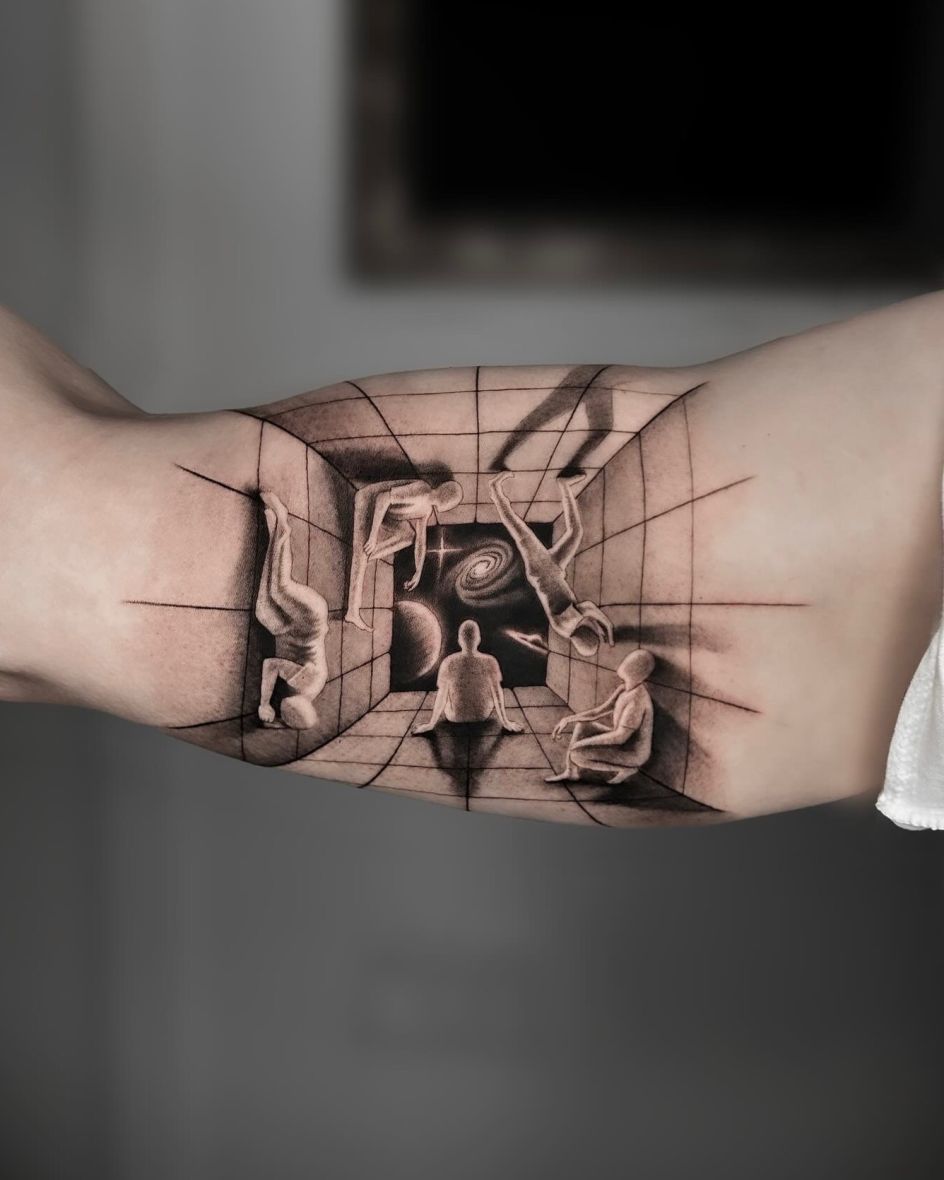
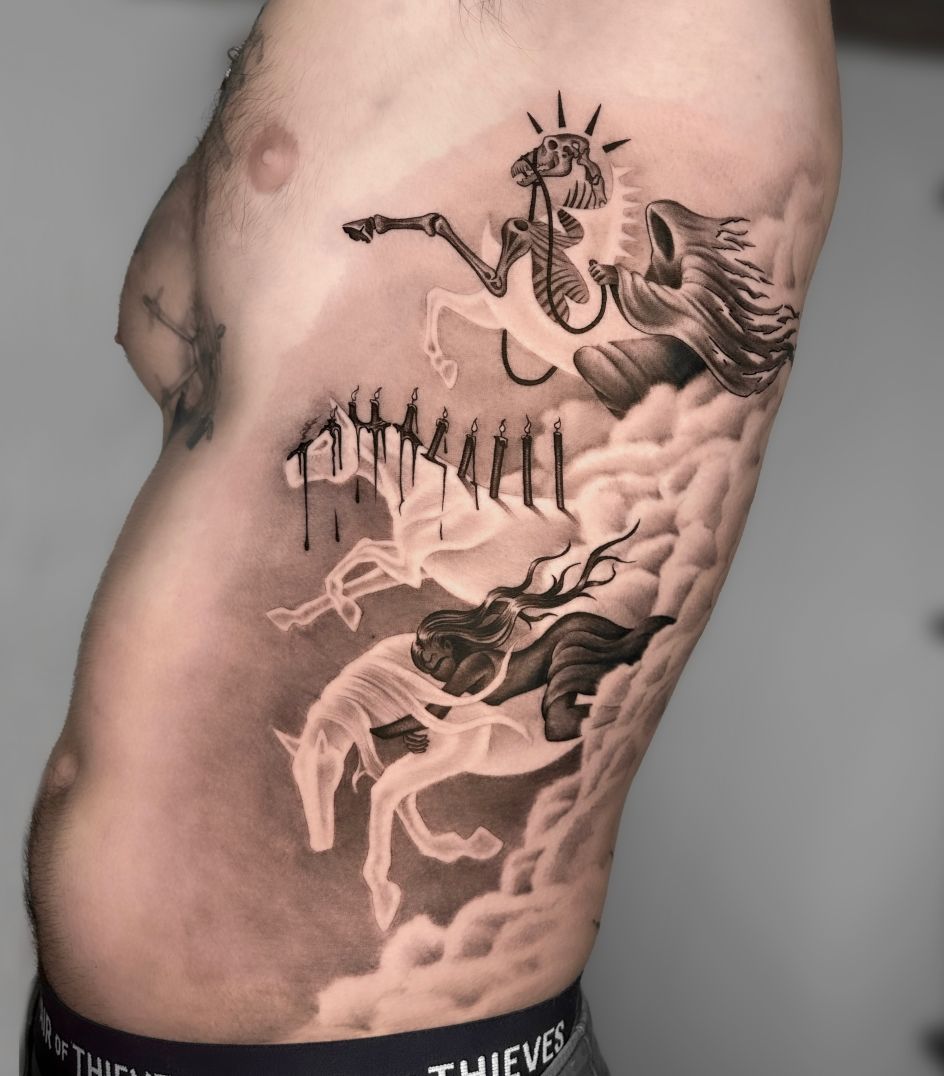
He sketches by hand (no iPad, no Procreate, no generative AI shortcuts) and builds completely original pieces from his own visual vocabulary. This is unusual in an industry with a lot of citations and iterations. It’s also the kind of authorship that most creative workers spend their careers trying to achieve.
Even more interesting is Travis’ background. He came to tattooing from engineering, which may explain the structural precision of his work. The way light behaves in his work gives the impression of a deliberate design rather than an approximation. His shading draws on chiaroscuro painting and photographic lighting, with the result falling somewhere between graphite illustration and conceptual art. The fluidity of the technology is evident, but it never overwhelms the storytelling.
16 countries/regions, no presets
Having tattooed in 16 countries, Travis has developed an easily identifiable style of tattooing that is popular because it doesn’t rely on trends. His visual language is his own. No flash tables, no menus.
Each piece is a one-off, developed through conversation and then slowly drawn by hand. This method of working is in stark contrast to the speed and replicability that currently dominates the tattoo industry.
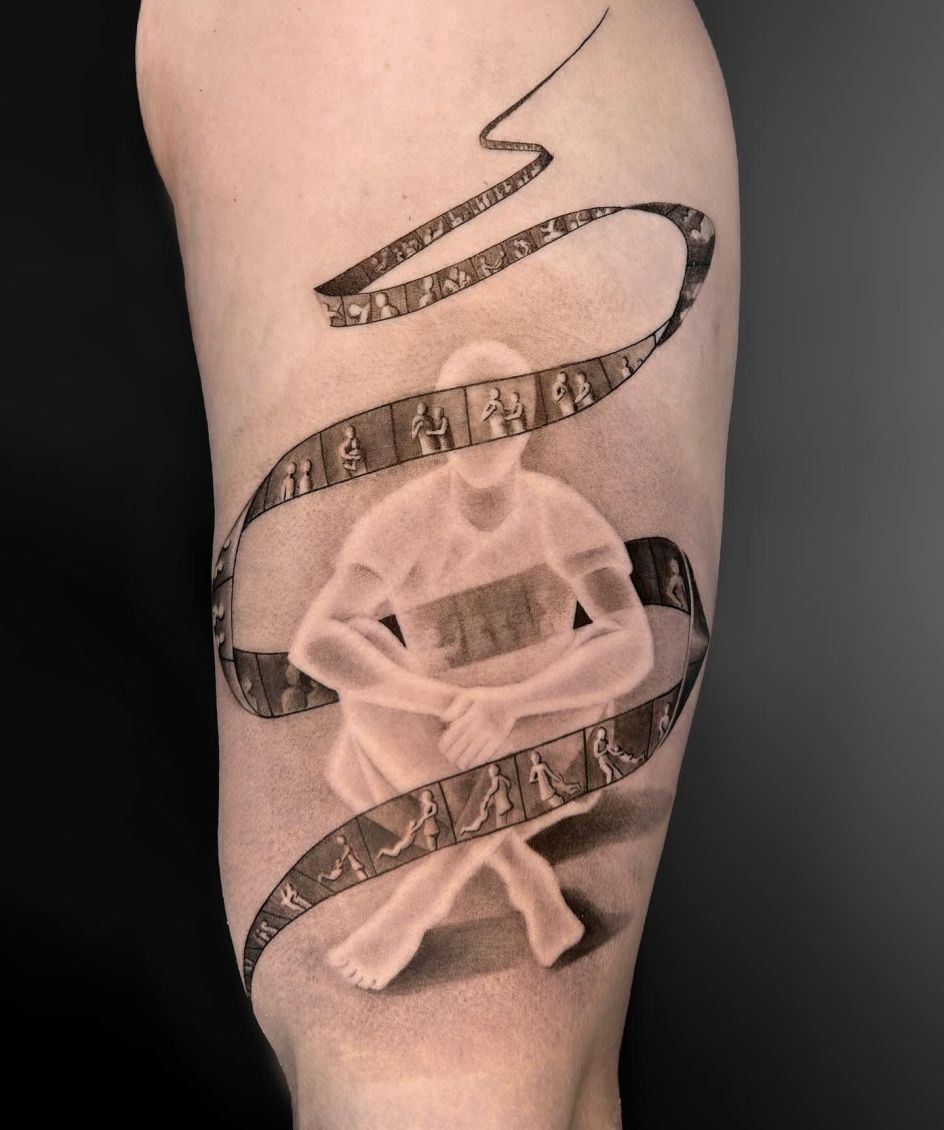
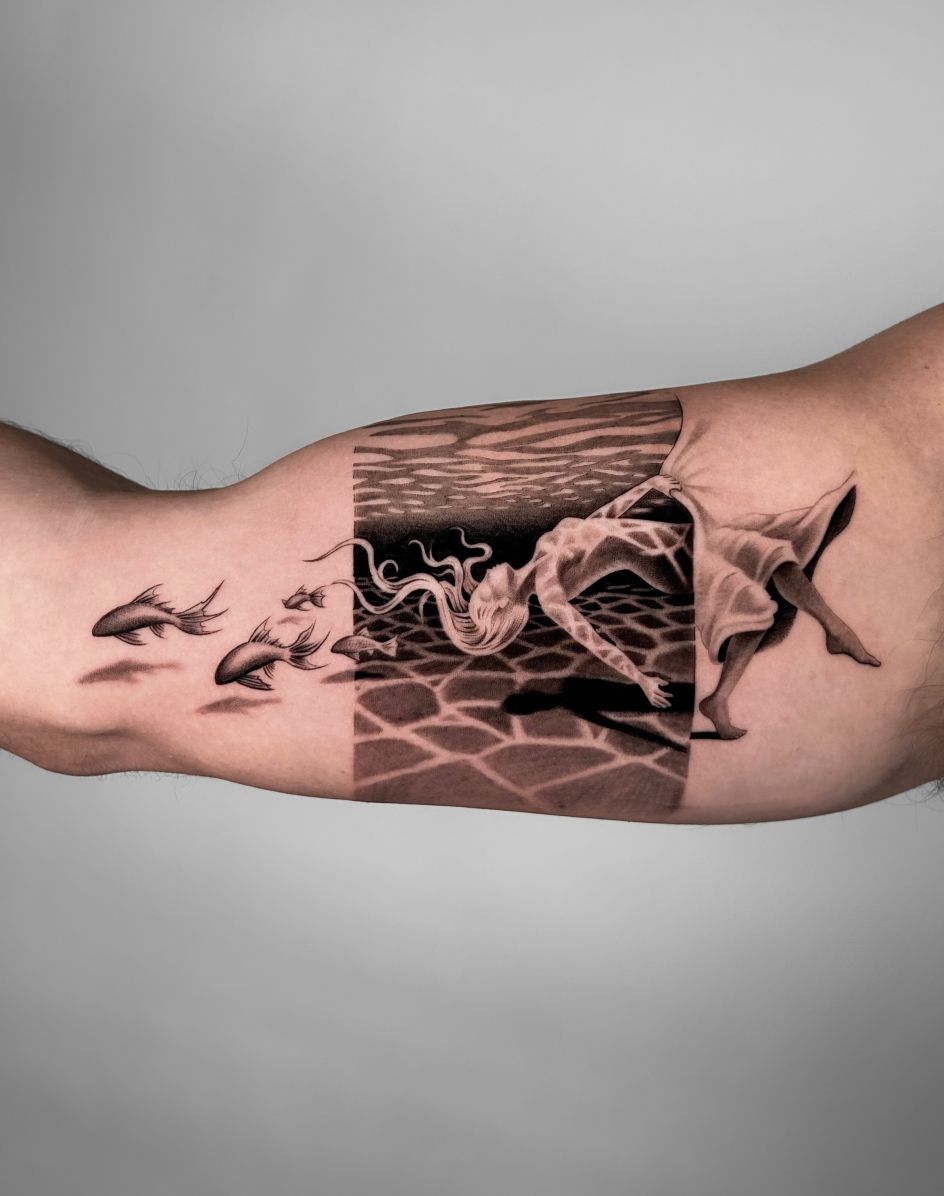
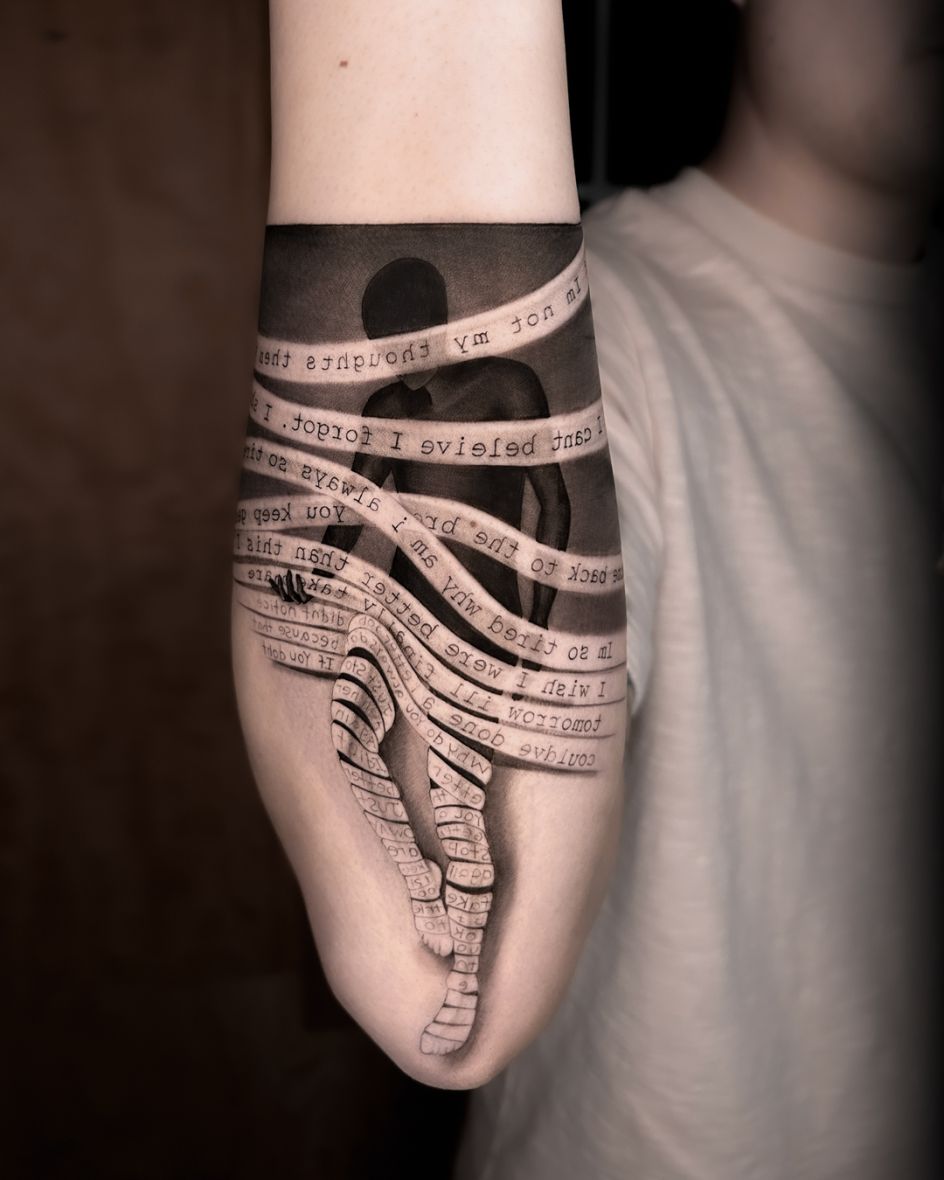
This attracted a loyal international client base, including Irish singer and songwriter Dermot Kennedy, who commissioned Travis to write a piece about the emotional experience of making music. This collaboration can reinforce this. Travis not only executes ideas, he executes ideas. He explains them. This distinction is important, and it is what elevates his work from handmade to closer to directional illustration.
A book worthy of your drawing
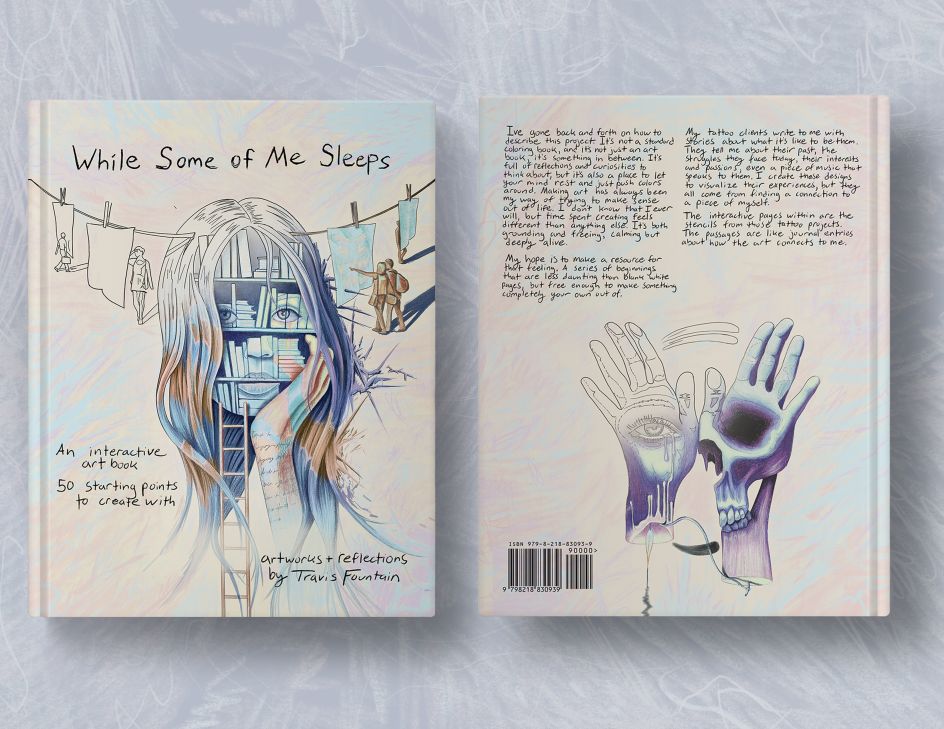
Now, Travis is taking that practice and turning it into a new format. His debut novel, While Some of Me Sleeps, is currently being funded on Kickstarter and is scheduled to be released in the spring. It collects tattoo drawings from these 16 countries, along with stencils and handwritten notes. But what’s interesting is that the pages are intentionally left open for the reader to draw their own.
In short, this is an art book that functions as an invitation. Not only are you consuming work; You are extending it. For a book born out of tattoos, a medium that requires another person’s body to exist, this approach makes intuitive sense.
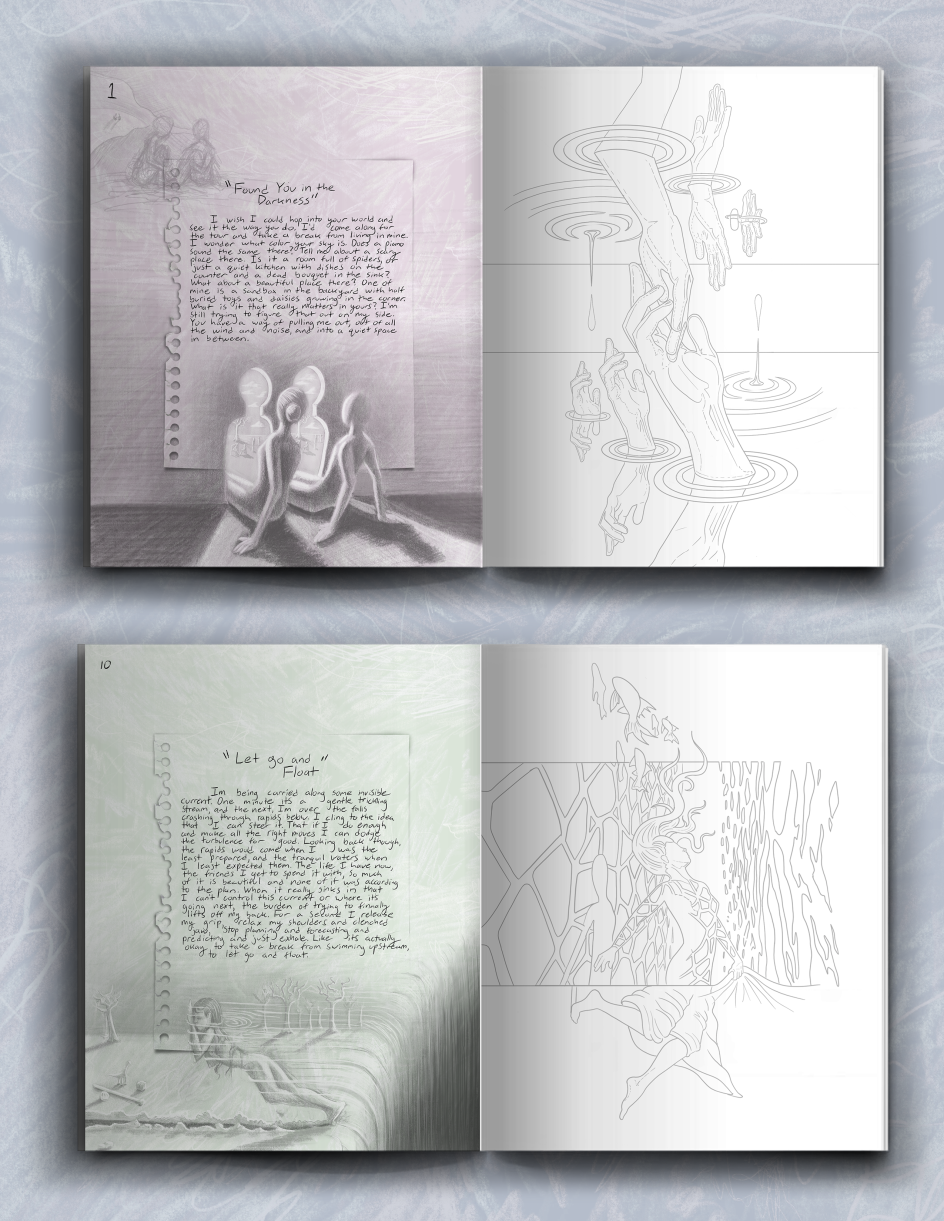
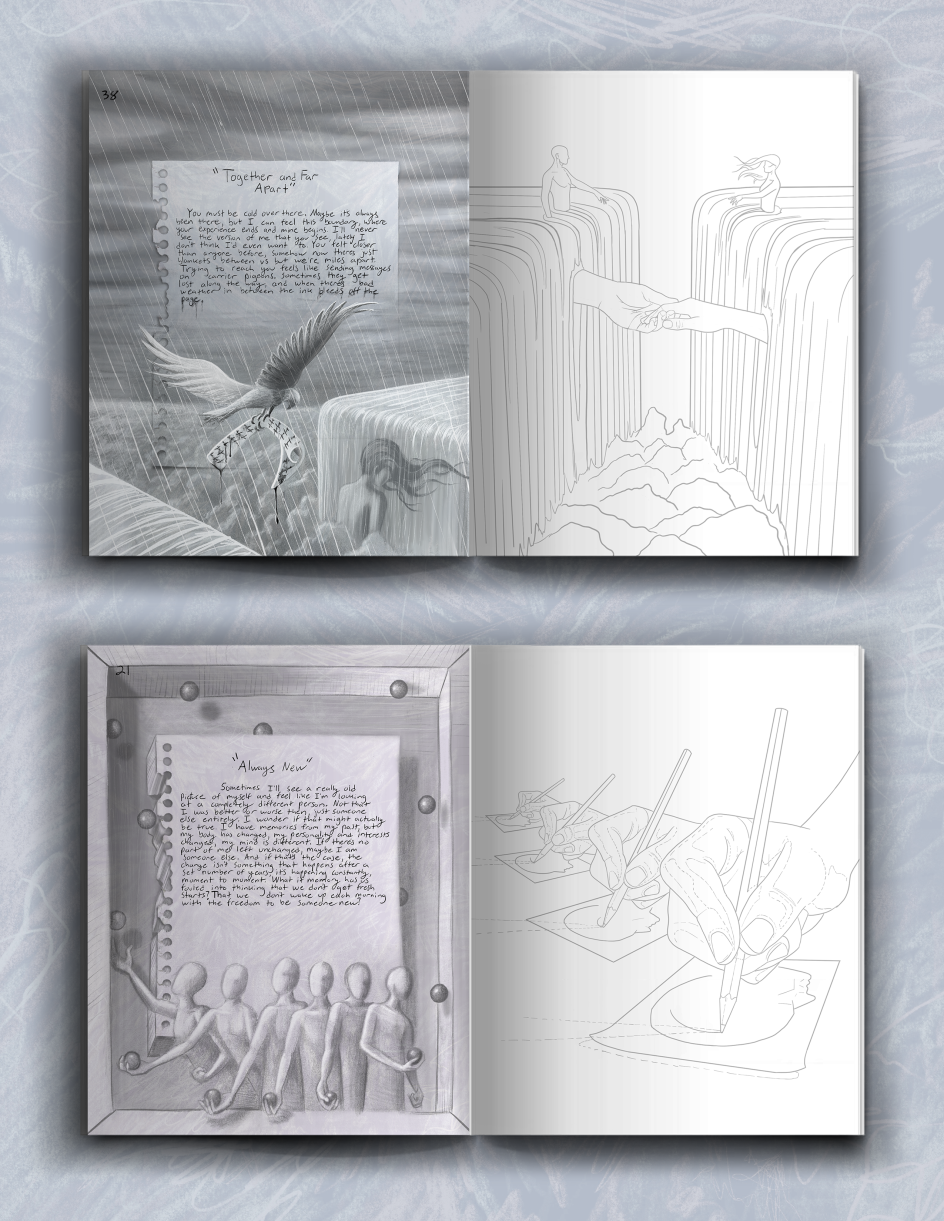
To further the idea, Travis hosted a preview event in Brooklyn in late January, where enlarged pages from the book were mounted on the wall for guests to draw on; essentially transforming the book’s collaborative spirit into a live installation.
why this is important
Travis’s approach is worth studying, not because tattoos are trendy, but because his working model quietly solves a problem that most creatives constantly struggle with. How do you quickly build trust with your clients so they give you true creative freedom? How do you develop a visual language that’s unique enough for people to seek you out, rather than requiring you to imitate something else?
In Travis’s case, the answer was obviously to listen very well, work slowly and manually, and come from a discipline (engineering) that no one would expect to produce surreal dream imagery. This all may be a lesson to anyone who has ever been in a briefing where the client was expected to say how they felt and leave the room.