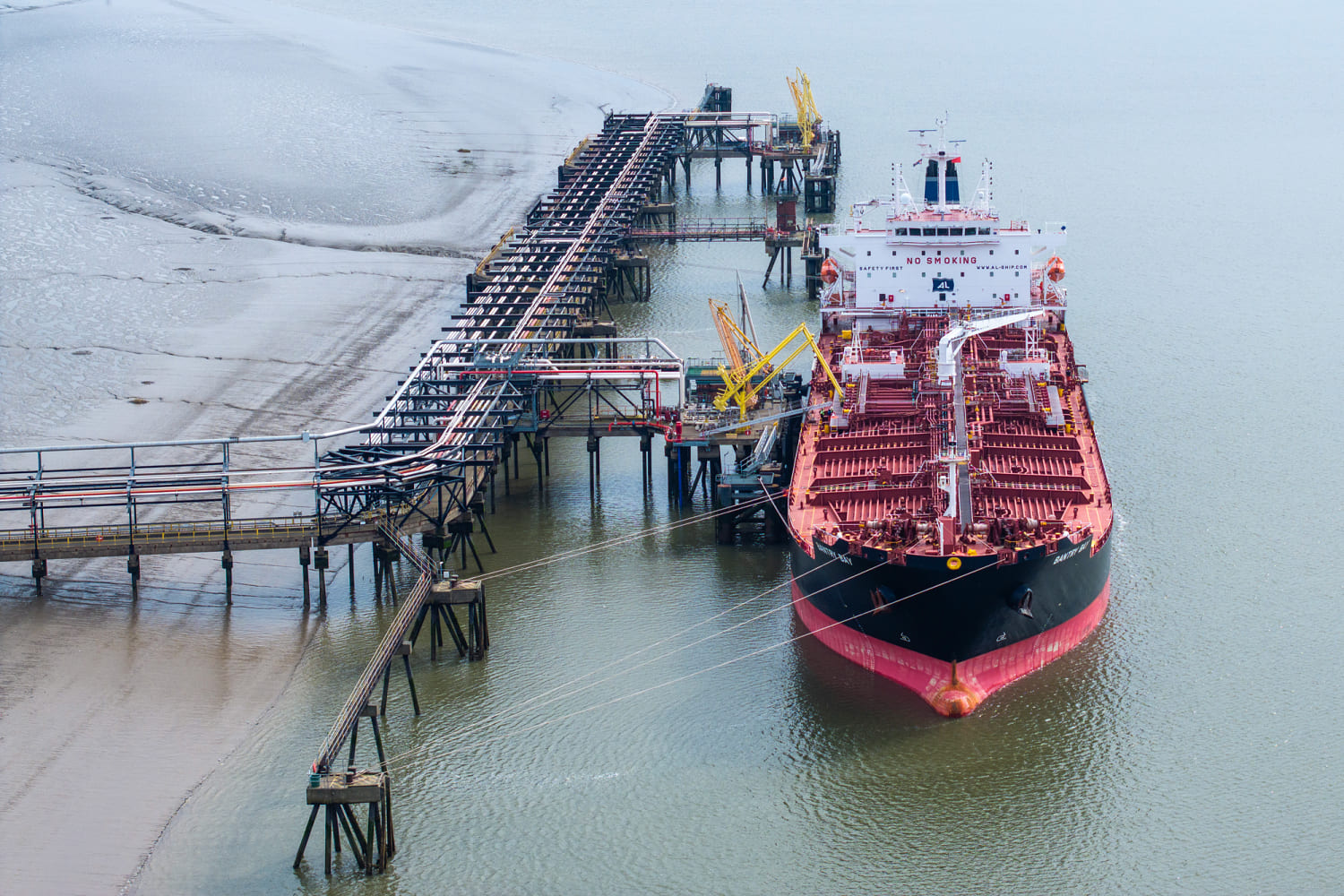
The International Energy Agency said on Wednesday that member countries had unanimously agreed to release 400 million barrels of oil from their reserves in a bid to alleviate prices that are soaring due to the Iran war.
“The oil market challenges we face are of unprecedented scale, so I am very pleased that IEA member countries have responded with emergency collective action of unprecedented magnitude,” said IEA Executive Director Fatih Birol.
The agency did not set a definitive timeline for when the release, the largest ever by IEA countries, would begin. “The IEA Secretariat will provide further details on how this collective action will be implemented in due course,” a statement said.
Following the IEA announcement, US crude oil was trading around $84 per barrel, just a few dollars lower than before, a sign that the market does not expect this move to provide quick relief or quickly increase global supplies.
Since the war with Iran began, the Strait of Hormuz, off its southwest coast, has been essentially closed to oil tanker traffic amid threats from its military.
On Wednesday, the UK’s maritime trade monitoring agency reported that at least three ships were hit by shells in the region.
As a result, insurers, oil companies and cargo companies have stopped operating in the area or transiting the critical waterway. With so much oil and liquefied natural gas blocked from reaching the global market, energy prices have skyrocketed in the past two weeks.
Since the war began, US crude oil prices have risen more than 25%. Retail gasoline prices have increased more than 50 cents to a national average of about $3.57 per gallon. Prices for natural gas, jet fuel and oil have also increased significantly.
The IEA’s 32 member countries include the United States, Great Britain, Japan, Germany, Canada, Australia, Italy and Mexico.
The IEA said that, together, member countries have emergency reserves of more than 1.2 billion barrels.
As of mid-February, Department of Energy data shows that the United States has a total of more than 415 million barrels of various types of crude oil in the national strategic petroleum reserve. Other countries, in Europe and Japan, have millions more.
However, it will likely take some time to mobilize reserves before they reach the global market and potentially easing delivery prices.
Once a presidential order is issued to deploy oil from the national reserve b, the Energy Department typically does not begin deliveries for 13 days, “and additional shipping time is needed before volumes reach end consumers,” JPMorgan Chase commodities analysts wrote in a note Tuesday.
Overall, “policy measures may have a limited impact on oil prices unless safe passage through the Strait of Hormuz is guaranteed,” the analysts said, given the amount of oil currently blocked from the region’s global market.
Historically, they said, “emergency emissions have peaked at about 1.4 million barrels per day.” They added that it could be helpful, but “that pace would not materially alleviate a shortfall of 16 million barrels per day and would probably only provide initial relief.”