Speaking to ET Now, Richard Yetsinga from ANZ Group said that the current reaction in oil markets appears to be largely emotional rather than driven purely by fundamentals.
“Yes, it’s definitely a dumb reaction. Whether it continues or not depends on what actually happens in the conflict. And there’s this catch-22 that the market is probably in. In a sense, the market is saying well that the fundamentals look very weak, 20% of the oil is going through the Strait of Hormuz, it’s not very complicated for the U.S. oil price. The economy is very weak, inflationary pressure is high, gas pressure is on consumers. Price pressure, is the political pressure on President Trump to back off military action because of the impact on oil and I think you’ve seen both sides of that story in the markets over the last 24-48 hours,” Yetsinga said.
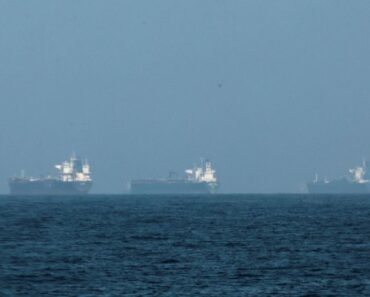
Confusion around the Strait of Hormuz – the world’s most important oil transit point – has raised concerns among energy-importing economies, particularly in Asia. With many countries relying heavily on imported crude oil, sudden price increases are already forcing governments to consider emergency responses.
Yetsinga noted that many Asian economies are particularly vulnerable because they rely heavily on imported energy.

“Well, you’ve talked about, apart from Malaysia, the region is a collection of oil importers and energy importers and they’re in a very difficult situation right now. We’re only eight or nine days into this conflict, we’re already talking about getting rid of strategic oil reserves globally, even in some individual economies and then there’s oil supply and then some challenges. Especially in different parts of the region it’s while A) The economic impact is potentially very severe if this continues, and of course we should be concerned about that, but the economic impact is going to put pressure on this war.
Governments across the region have begun taking precautionary measures. For example, South Korea has debated oil consumption limits, while other countries rely heavily on strategic reserves to cope with immediate supply shocks. Despite intense market speculation that the conflict would end soon, Yetsinga remained cautious about predicting a timetable for any resolution.
“Sorry, I’m not a military strategist, I’m not a political expert, that’s a question for people like that…” he said when asked about his hopes for an early end to the war.
However, he acknowledged that financial markets themselves play a role in shaping political decisions.
“Look, my view is that the pressure that the markets are putting on the administration is ultimately going to be a factor in maybe bringing this action to a conclusion. We’re only eight days or nine days in. It’s taken the Trump administration longer than that to back down in past events. So I think I know the endgame. But the timing is really, we have to be transparent.”
According to him, the likely outcome would be to end hostilities through negotiations when the United States achieves its goals.
“Ah, the end game is a kind of cessation of hostilities because the United States says that we have achieved our goals and the markets will welcome it and return to a kind of normalcy that we started last week, but of course, normalcy this year even Greenland and Cuba and a few other issues, but that there is something else in the world. Analytical about,” he added.
For investors and policymakers alike, next week will likely reveal whether the conflict deepens or cools down. Until then, energy markets — and the economies that depend on them — are caught between geopolitical risk and hopes for a quick return to stability.
Oil Markets