Mojtaba Khamenei, son of late Iranian leader Ali Khamenei, has been elected Iran’s new supreme leader, according to state media, a decision that comes as tensions remain high during the ongoing conflict in the region.
Members of the clerical body responsible for selecting the country’s top authority said on Sunday that Mojtaba Khamenei had been chosen in what they described as a “decisive vote.” The assembly urged citizens to unite behind the new leadership at a difficult time for the country.

In a statement carried by Iranian state media, the body called on people across the country – “especially the elites and intellectuals of seminaries and universities” – to swear allegiance and protect national unity.
Who is the new supreme leader of Iran, Mojtaba Khamenei?
Ayatollah Ali Khamenei’s second son, Mojtaba Khamenei, has been chosen as the successor to Iran’s slain supreme leader.
The clerical body responsible for selecting Iran’s top authority announced the decision on Sunday and called on Iranians to support it and preserve national unity.
Story continues below this ad.
Mojtaba Khamenei, 56, has never held elected office and has rarely appeared in public. Born in 1969 in Mashhad, he studied Islamic theology at the religious seminaries of Qom and spent much of his life working in his father’s office.
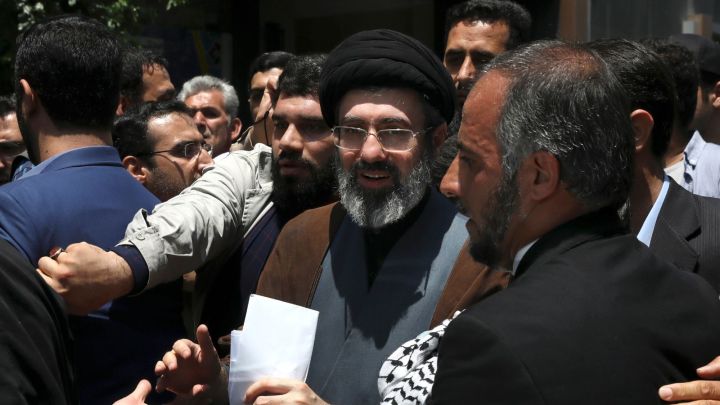
The appointment follows the death of Ali Khamenei, who ruled Iran for nearly four decades before being killed in a joint US-Israeli attack on Tehran on February 28, during the first day of the war with Israel.
Mojtaba Khamenei’s rise marks the first time since Iran’s 1979 Islamic Revolution that the country’s top authority has passed from father to son. Analysts say the move could spark debate within Iran, where the revolution originally aimed to end the shah’s hereditary rule.
Across Iran’s political and security institutions, officials quickly expressed support for the new leader. State media reported that the armed forces swore allegiance to him, while parliamentary leaders said following Mojtaba Khamenei was a “religious and national duty.”
Story continues below this ad.
The powerful Islamic Revolutionary Guard Corps (IRGC) also declared its loyalty and said it was willing to follow the new leader’s instructions during the current crisis.
Trump calls the measure “unacceptable”
However, the appointment provoked a strong reaction from US President Donald Trump. Earlier on Sunday, Trump warned that Iran’s next supreme leader “would not last long” if Tehran did not win approval from Washington.
Trump previously called Mojtaba Khamenei an “unacceptable” choice and said the United States should play a role in shaping Iran’s political future.
He is believed to have established close ties with conservative clerics and members of the IRGC, which analysts say helped strengthen his influence within Iran’s power structure.
Story continues below this ad.
His name became widely known during the disputed 2009 presidential election, when reformist figures accused him of supporting a security crackdown on protests that followed the vote. He has never commented publicly on the allegations.
Meanwhile, the regional conflict continued to spread. Iranian attacks were reported across the Gulf, and Saudi Arabia, the United Arab Emirates, Qatar, Bahrain and Kuwait reported drone or missile attacks.
Saudi authorities said they intercepted 15 drones, while a projectile that landed in the city of Al-Kharj killed two people and injured 12 others, according to civil defense officials.